For a high-impact, diverse and inclusive science (Workshop Young Researchers’ School)
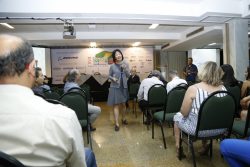
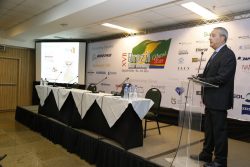
Sunday, September 16, around 1:00 p.m. City of Natal, State of Rio Grande do Norte, Brazil. The sky was blue and the sea was green. Possibly resisting the temptation of a Sunday afternoon at the beach, about 150 people decided to go to the Convention Center of the traditional Hotel Praiamar, located a few meters from the Ponta Negra Beach – the most famous in the touristic Natal. The reason for this strange decision? To participate in the Young Researchers’ School workshop, a four-hour activity offered at no additional cost to those enrolled in the XVII B-MRS Meeting.
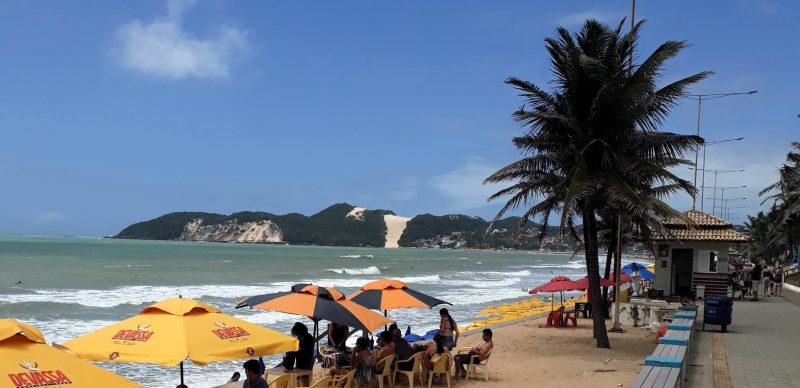
Ponta Negra Beach, a few meters from the event venue. September 16, 2018.
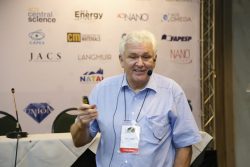
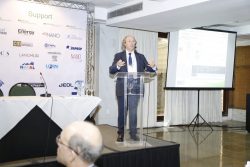
The workshop started with a tutorial by Professor Valtencir Zucolotto (University of São Paulo, USP, Brazil), a member of the Brazilian Materials research community known not only for the research of Nanomedicine and Nanotoxicology Group, but also for the lectures, online courses and workshops on scientific writing and publishing that he creates and presents in Brazil and abroad. Good humored and interacting with the audience, Zucolotto talked about how to do high impact research, from the initial idea to the publication of the paper, covering the research methodology and the writing of the paper. In addition to showing data, Professor Zucolotto shared his experiences “on the two sides of the aisle” (Zucolotto is a productive and cited researcher, as his 42 H index shows, and also edits journals and books). The speaker also gave advice from someone who has gone through this to the younger members of the audience “One must learn to live with rejection, which is part of the work of a scientist,” said Zucolotto, referring to the rejection of papers during the publication process. “Don’t worry, your paper will be rejected… and will be finally accepted in a high-impact journal,” he joked.
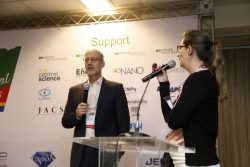
After a generous coffee break sponsored by Elsevier, the workshop continued with the presentation of Elsevier’s Director of Publication of the Materials Science area, Christiane Barranguet, on the diversity and inclusion in the environment of journals and scientific events. In addition to showing data on female participation in science, the director recounted the company’s efforts to achieve gender and geographical diversity and representativeness in the editorial bodies of the journals and in the group of panelists of the conferences. Good results have appeared shyly, she pointed out. However, women and Latin Americans are still underrepresented in these groups. At the end of the lecture, Barranguet invited the Materials community to indicate names of scientists, mainly from underrepresented groups, who could work in the editorial bodies of Elsevier journals.
The last part of the workshop returned to the question of the impact of publications, precisely where Professor Zucolotto had stopped. Marlene Silva, also from Elsevier’s Materials team, talked about ways to disseminate a published paper to increase its visibility, citation potential, and academic and social impact. According to the speaker, the dissemination work should be carried out without wasting time, in the pleasure derived from the news of having the paper accepted. One of the most useful tools for this dissemination is, according to Silva, the URL sharing link – made available to the authors of the papers by most of Elsevier’s journals, which grants direct and free access to the paper for 50 days to anyone who receives the link. Silva recommended sharing this link by all possible means, from all social media, accompanied by texts and attractive images, to the author’s e-mail signature. The speaker also talked about strategies to make the article more relevant in search engines, known as SEO, such as repeating the most relevant keywords all along the paper.
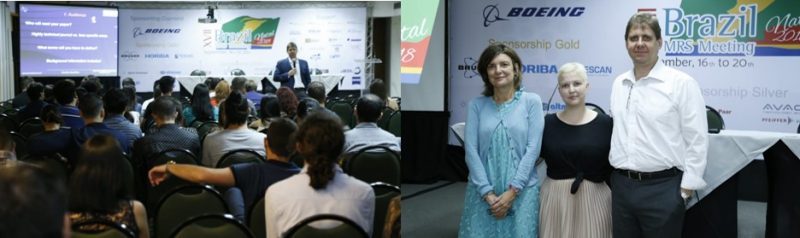
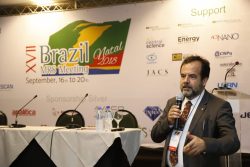
Workshop Young Researchers´School. In the second picture: Christiane Barraguet, Marlene Silva and Valtencir Zucolotto.
Tough, stiff and resilient: the Brazilian materials research community (Opening Ceremony)
A pleasant surprise awaited the approximately 800 participants who settled in the main hall of the Convention Center around 7:30 p.m. to attend the Opening Ceremony. Shortly after the opening words by the master of ceremonies, twelve musicians from the “Orquestra Potiguar de Clarinetas“, from the School of Music of the Federal University of Rio Grande do Norte (UFRN), left their hiding places with their instruments, stood near the stage and filled the room with Brazilian music – mainly compositions from the Northeast region. The musicians showed a sample of the richness and cultural diversity of this country, playing the rhythms of choro, baião, frevo and carimbó.
After the musical presentation, the Opening Table was set up, composed of Professor Antonio Eduardo Martinelli (Chairman of the XVII B-MRS Meeting), Professor Osvaldo Novais de Oliveira Jr (President of B-MRS), Professor Rodrigo Ferrão de Paiva Martins (Second Vice President of the International Union of Materials Research Societies, IUMRS) and Professor José Daniel Diniz Melo (Vice-Rector of UFRN).
Then, those standing on the stage and in the audience, sang the Brazilian National Anthem, accompanied by the Symphony Orchestra and Madrigal Chorus of UFRN projected on the screens scattered throughout the room.
In addition to welcoming and thanking everyone, in the words of the members of the table, there were several references to the social and economic importance of research in Materials. “Knowledge of this area is crucial to solve most of the problems of society,” said Diniz Melo, who is also a professor of undergraduate and postgraduate studies in Materials at UFRN. The Portuguese Rodrigo Martins, who besides being an internationally prominent Materials scientist, is a frequent participant in the B-MRS Meetings, highlighted the role of materials in the development of a country. “From life sciences to aerospace industry, materials are central to all developments and bring a better quality of life to the population,” said Martins. “This event is a celebration of what Materials Science has done for the society,” said Professor Oliveira Junior.
In an inspiring opening speech, Professor Martinelli addressed a subject that has troubled the Brazilian scientific community. “Not only economic difficulties but mainly the sense of what are and what are note priorities for our country have burned part of our past and challenged the best chances to improve Science and Technology in Brazil, putting at risk a better future for current and future generations,” said the chair of the event, who is a professor of undergraduate and post-graduate studies in Materials at UFRN and coordinator of the Materials Area at the federal agency CAPES. The chair highlighted the strength of the Materials community that, even within this context, has remained active and allowed the event to take place, with a large number of participants. “We are materials people: tough, stiff and resilient,” Martinelli said. “No one has given up, and no one will”.
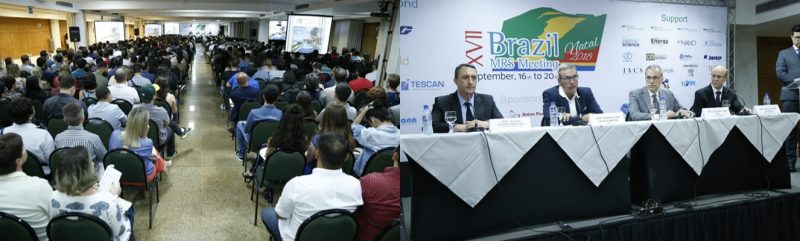
Public at the Opening Ceremony. Opening Table, from the left: Antonio Martinelli, Rodrigo Martins, José Diniz Melo and Osvaldo Novais de Oliveira Jr.
Tributes to prominent members of the community (Memorial Lecture “Joaquim da Costa Ribeiro”)
After the words by the members of the table, the moment came for B-MRS to pay tribute to the long and distinguished trajectory of Brazilian scientists. The first tribute, which was not announced in the program, was for Professor Aloísio Nelmo Klein (Federal University of Santa Catarina, Brazil), who received a commemorative plaque and a gift for his “35 years dedicated to Applied Science.” In fact, Klein’s scientific career stands out mainly by the number of patents (more than 60 applications filed in offices in Brazil, Europe, the United States, China, South Korea, Japan, Taiwan, Singapore and Australia) and numerous projects in partnership with companies. Professor Klein, who is a founding member of B-MRS and has previously served as scientific director, adviser and chairman of two annual meetings of the society, received gratitude and recognition from the president of B-MRS for his long-term dedication to this society.
The second person to be honored that night was Professor Fernando Galembeck, retired from UNICAMP since 2011, but still active, who is also Collaborating Professor of that university. Throughout the four decades of his scientific career, Galembeck made important contributions to applied and basic research in diverse subjects such as surface modification, nanoparticles, nanocomposites, electrostatics, materials derived from biomass, among other subjects. He is the author of more than 250 papers, 35 patents and 20 books or book chapters, and has more than 3,700 citations. He was a founding member of B-MRS.
Galembeck was chosen this year to receive the main B-MRS honor for researchers with an outstanding trajectory in the area of Materials, the Memorial Lecture “Joaquim da Costa Ribeiro”. This distinction also honors, through its name, a pioneer of experimental Materials research in Brazil.
In the first part of his talk, Galembeck addressed the relationship between raw materials, energy and food, given that hunger is still a problem for humanity, and that energy generation can compete with food production by using the same raw materials. This situation worsens, said Galembeck, when financial speculation comes into play. However, he urged, thanks to technological advances, it is possible to produce goods by combining cheap energy from inexhaustible sources like the sun and wind, with abundant raw materials such as lithium, magnesium and carbon dioxide, or even waste. “Waste is untapped opportunity,” highlighted the speaker. With respect to the use of biomass in developing countries, he stated that, in addition to generating energy by reducing the country’s dependence on fossil fuels, it can be used as raw material for high added value products, generating better income for the population. In the second part of the lecture, Galembeck presented an overview of some of his scientific contributions. The scientist also expressed his optimism about the crisis that Brazil is going through, which was addressed earlier by Professor Martinelli. “I’m experienced enough to know that in the end everything will be better than expected,” he stated.
After the lecture, the participants left the Convention Center and, a few meters away, were able to enjoy the welcome cocktail of the event, held in an outside lounge of Hotel Praiamar, enjoying the sea breeze under a starry sky with a crescent moon.
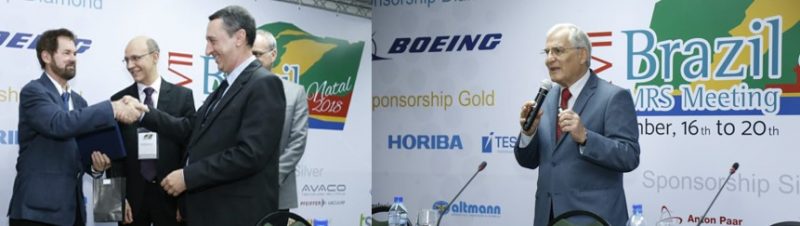
Left: tribute to Aloísio Klein. Right: Fernando Galembeck giving the Memorial Lecture.
Theory and experiments, industry and academia and multidisciplinarity (Oral and Poster Sessions of the symposia)
The Brazilian members of the materials research community, who were majority in the event, has remained active throughout this difficult year, said the chair at the opening of the meeting. This could be confirmed by simply sitting down in the oral presentation rooms or walking by the poster’s white tent (preferably with a smartphone in hand, to access and save the abstract and data of the posters of interest).
More than a thousand Materials research professionals and students presented their works and discussed them with their peers at the XVII B-MRS Meeting. Despite the high percentage of those enrolled with approved papers who did not attend the event (about 30%), most likely due to of the lack of funding, the symposia held significant participation in the oral and poster sessions. Some symposium organizers went beyond these traditional presentation formats and included discussion forums in their programs. They broke with the linear sitting arrangements and encouraged collective discussions in semicircles, regarding topics they considered as particularly important. Another highlight of the symposia this year, according to the organizers, was the quality of the invited lectures (30-minute presentations given by experts on topics within the scope of the symposium, which are invited by the organizers).
The thematic range covered by the symposia was once again broad and comprehensive. Many materials were covered (nanomaterials, conductive polymers, advanced metals, composites, metal oxides, electroceramics, biomaterials, surfaces, coatings). Many applications were presented (for the segments of energy, aerospace, health, electronics, bioelectronics, photonics, automotive, decorative). Several interactions took place: between different people, between the theoretical and the experimental, between industry and academia, between science and technology, between areas of knowledge (Chemistry, Physics, Biology, Engineering, Medicine).
Among the symposia of this edition of the event, there were old acquaintances (such as the Brazilian Eletroceramics Symposium, in its eleventh edition), newer symposia (such as the one about Surface Engineering) and totally new symposiums, such as the symposium on nanofibers and applications.
The symposia of the XVII B-MRS Meeting were organized by 76 researchers linked to education and research institutions or companies from Brazil, Argentina, Canada, Chile, Germany, Portugal, Spain, and USA.
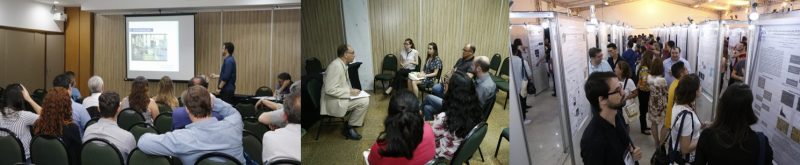
Simposia activities. From the left: oral presentation, technological forum and poster session.
Lectures on scientific instrumentation
Located between the entrance to the Convention Center and the Secretariat of the event, on the way to the plenary lecture room, the exhibitors’ area was full of activity, and not just during the coffee break, which was served at the event. Twenty companies and UFRN were there with their booths staffed by specialists, their publicity materials, gifts and, in some cases, equipment for demonstrations. In addition, on Wednesday, some of the scientific instrumentation companies offered ten technical lectures showing the advances and the new applications of various characterization techniques, as well as innovations in laboratory equipment.
And the participation of the exhibitors went beyond the technical specifics. Solidus, a junior company of Materials and Mechanical Engineering that participated in the event at the UFRN booth provided a photo frame for visitors who wanted to take a souvenir photo of the XVII B-MRS Meeting and share it in social networks.
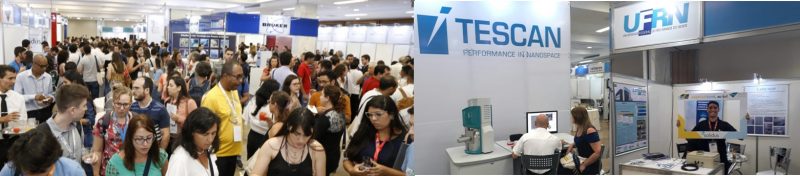
Exhibitors Area.
Student proposals for the future Aerospace Industry (The “Aerospace Materials and Manufacturing for the Next Century” challenge)
One of the highlights of the event was the technological challenge of the aerospace industry for undergraduate and graduate students attending the meeting. In order to motivate students to carry out multidisciplinary research with aerospace applications, and to bring the academic environment and industry closer together, the activity was conceived and organized by a group of researchers from Brazilian universities and two leading companies in the aerospace segment, the US Boeing and the Brazilian Embraer.
The activity began on Monday, September 17, when 55 students, interested in participating in the challenge previously announced by the B-MRS channels, registered at the Boeing booth (Diamond Sponsor of the event), located in the exhibitors’ area of the convention center. At the end of the day, a lottery defined who would be the participants in this challenge.
The following day, at lunchtime, experts presented six technical challenges related to problems or opportunities in the aerospace industry for 36 students who were having lunch in the audience – the lunch boxes were sponsored by Boeing. After the presentations, the students formed the respective work teams.
24 hours later, the six groups had to present their solutions in English, while they were evaluated in terms of originality, technical content, alignment with the proposed challenge, solution implementation potential and presentation quality. The jury consisted of nine researchers from the Materials area of Brazil and abroad, linked to Boeing, Embraer, as well as education and research institutions.
The following day, during the Awards Ceremony of the event, Catherine Parrish, Senior Coordinator of Materials and Process Engineering Research at Boeing, and Fabio Santos da Silva, Senior Technology Development Engineer at Embraer, announced the winning work and delivered diplomas and gifts to the members of the winning team, composed of five masters and PhD students in Materials, Chemistry and Physics from institutions in the South, Northeast and Midwest regions of Brazil. “We are very happy with the results of the challenge. The participants presented really innovative ideas; it was fantastic,” Parrish said.
Responding to the challenge “Aerospace Structures and Systems Inspired by Nature – Lotus Leaf,” the winning team presented the properties of the lotus leaf, especially its super-hydrophobia and its consequent self-cleaning ability. The students suggested applications in the aerospace segment (mainly in the aircraft fuselage) of materials with lotus leaf-inspired surfaces, and proposed ways to obtain these surfaces. “What I learned from this challenge was that staying calm is very important for developing a project, and helping others wherever possible. Each one gives their contribution and together we add individual skills,” states Angelica Belchior Vital, Ph.D. student in Chemical Engineering at UFRN and a member of the award-winning team. “We had a great time and we were really excited with the ideas and discussions the work generated,” she adds.
Three moments of the activity, including the presentation of the challenges (center) and solutions (right).
Sustainability and academic and social impact in the views of world-renowned scientists (Plenary lectures)
Two plenary lectures per day. Eight scientists with outstanding trajectory shared with the participants throughout their expertise in subjects of great academic, social and economic impact. Pillars of the B-MRS meetings, the plenary lectures of this edition of the event gathered a few hundred participants and showed the crucial role of Materials research in subjects such as sustainability and health.
Junbai Li
At the first plenary session of the event, Professor Junbai Li, from the Institute of Chemistry of the Chinese Academy of Sciences, revealed how he helps nature to assemble nano and micro structures from biological molecules. More precisely, Li, who is the editor-in-chief of Colloids & Surfaces A (Elsevier) and editor of the self-assembly section at Current Opinion in Colloid & Interface Science (Elsevier), uses a type of amino acid (peptides) as basic block to form structures by means of self-assembly processes. The prominent Chinese scientist is able to control the architecture of structures, generating shapes similar to tubes, platelets, vesicles or flowers. The lecturer showed that these biocompatible structures can be used to staunch bleeding, cure skin diseases and carry drugs. At the end of the lecture, he ensured that peptide-based materials will be part of everyday life in a few years.
The afternoon plenary was delivered by a scientist who has been working for 25 years at the R&D of Vacuumschmelze, a manufacturer of advanced magnetic materials and related products, born in Germany and present in dozens of countries. Christian Polak spoke about some of the materials developed in the company (amorphous and nanocrystalline magnetic alloys), their manufacturing processes and their applications in products that are part of the company’s portfolio; for example, transformers, converters and electric current sensors. In the lecture, it was possible to verify that the application of highly specialized scientific knowledge results in widely marketed products and innovations that accompany the demands of the consumer market, such as components to improve the performance of smartphones.
On Tuesday morning, the plenary lecture was given by Heinz von Seggern, former researcher of the famous Bell Labs and Siemens research center, and retired but still very active Professor of the Faculty of Materials Science at the Technical University of Darmstadt (Germany). Seggern spoke about ferroelectric polymers – materials that have, spontaneously and permanently, polarized electric charges – a characteristic that can be used in several applications, such as the well-known electret microphones. From a historical perspective, Seggern showed advances in the understanding, manufacture, characterization and application of some of these materials. In this narrative, Seggern referred to Brazilian researchers who are participating members of B-MRS, such as Professors Sérgio Mascarenhas, José Giacometti and Roberto Faria, as well as the German scientist Bernhard Gross, who came to Brazil in the 1930s and was a pioneer in Materials research in the country.
Bernhard Keimer
And after three plenary sessions foccusing applied research, Professor Bernhard Keimer (h index =86), in a lecture he himself classified as purely fundamental research, showed the experimental efforts he has been doing with his group at the Max Planck Institute for Solid State Research (Germany) to understand and control collective electron behaviors, more precisely the so-called “electronic correlations,” that would be responsible for generating phenomena as interesting as superconductivity. To carry out his studies, Keimer, who is director of this institute, creates “heterostructures”, which combine very thin layers of various materials (primarily metallic oxides). These are quantum materials – those whose macroscopic properties depend on the properties or behavior of their electrons. Keimer and his colleagues analyze these materials using advanced spectroscopy techniques, thus manage not only to understand but also to begin to control the correlations among small and difficult-to-study entities such as spins and charges.
Carlos Graeff
The relationship between energy, materials and sustainability returned to the plenary sessions on Wednesday morning in the lecture of Brazilian scientist Carlos Frederico Oliveira Graeff, Professor and Pro-Rector of Research at UNESP (Brazil). The speech began with an overview on the use of different sources of energy. Currently 2/3 of the electricity that mankind consumes comes from fossil fuels responsible for the greenhouse effect. Nevertheless, that relationship will change progressively until 2040 due to the significant increase in solar and wind energy in the energy matrix. In fact, these are energy sources capable of delivering energy in quantities much higher than our current human demand (more than 3,000 times in the case of sunlight). After explaining the fundamentals of the photovoltaic effect, responsible for the conversion of sunlight into electricity, Graeff talked about two types of solar cells that can compete with those of silicon – the latter already widely marketed. The scientist showed the advantages and disadvantages of dye-based and perovskite-based solar cells, and cited the contributions his research group and collaborators have made to the development of these devices. The success of solar cells depends on properly matching a range of materials that work together, said Graeff, casting the challenge to the research community in the room.
Sustainability also permeated the plenary session of You-Lo Hsieh, Distinguished Professor at UC Davis (USA). The scientist placed the current moment in the second industrial revolution, initiated around 1850 and driven by the use of oil to generate energy and plastic materials, and by the advances in Materials Science and Engineering. On the one hand this revolution brought products that make human life more comfortable, said Hsieh, but it also increased by thousands of times the carbon dioxide emissions and created pockets of litter in the oceans, to name just a few of the consequences. Hsieh develops new materials, such as nanofibers and biopolymeric aerogels, which could make up a different economy, based on low environmental impact chemical processes and on the use of biomass (the set of living organisms, from bacteria to animal or vegetable waste). With the partnership of companies, she hopes to transform these materials into new products that generate new markets. Professor Hsieh pointed some challenges of implementing such an economy, from connecting technology development to market demands, to achieving consumer acceptance.
Pietro Matricardi
Biomedical applications returned in the penultimate plenary of the event. Pietro Matricardi, Professor at the University of Rome “La Spienza”, spoke about his work with hydrogels (gels with high water content) based on polysaccharides (natural polymers composed of long chains of simple sugars, monosaccharides). Matricardi explained that the hydrogel combined with the polysaccharide can form an intelligent material capable of adhering to living tissues, covering their surface without leaving interstices and interacting positively with them. The gel can also be carried with some drug or compound, which will be released gradually into living tissues. In collaboration with a dentist, Matricardi tested the effects of his hydrogel, loaded with an anti-inflammatory and hydroxyapatite (used for bone regeneration) in patients with severe periodontitis, and they could see very good results. In its nano version, when properly manufactured the hydrogel can carry one or more drugs within the organism and deliver them at the right measure and place. Such is the case of a prostate cancer treatment drug which should be administered together with an anti-inflammatory. Nanohydrogels, whether or not loaded with drugs, may also function to treat skin bacterial infections, as demonstrated by good results from studies conducted with rats by Matricardi.
The last plenary lecture of the event began with an image that is as well known as it is worrying: increasing carbon dioxide emissions and global warming. “The circular economy of carbon dioxide is a major challenge for humanity,” said lecturer Joan Ramón Morante Lleonart (h index=82), director of the Institute of Energy Research of Catalonia (IREC), professor at the University of Barcelona and editor of the Journal of Physics D. This concept refers to removing from the environment the excess of carbon dioxide generated by human activities, capturing it and transforming the molecule into useful compounds (such as methanol, methane or formic acid), capable of generating products and fuels. To break the CO2 molecule at an industrial scale requires a lot of energy, which can ideally be obtained from renewable sources. Throughout this “recycling” process of carbon dioxide, materials once again play crucial roles. However, the existing materials generally do not effectively meet, in real conditions, the needs for this recycling to become a reality. Professor Morante pointed out a series of challenges for Materials Science and Technology, related to the development or improvement of nanomaterials for the capture and purification of carbon dioxide, materials for cathodes and anodes used in photoelectric processes, corrosion resistant materials for reactors and, mainly, catalytic nanomaterials for the reduction of carbon dioxide. The plenary closed the technical program of the event with a very encouraging image: that of a typical house of the circular carbon economy. This house does not need fossil fuels to meet the needs of its residents; it consumes sun, wind, air and water, it produces all the electricity and fuels it needs, and returns to the environment only fresh air.
The symposium on “Degradation of materials and solutions to increase its lifespan” was a success, for the second consecutive year. We had almost 100 abstract submitted, with 24 talks and 70 posters presented during the event. At the end of the symposium, we had a fruitful roundtable were we discussed challenges and solutions on studies and development of materials, collaboration versus productivity, innovation, applied research and the development of multi-user centers. In the end, all researchers agreed that it is necessary to improve the collaboration to reduce segregation and increase productivity.
Prof. Polyana Alves Radi Gonçalves (symposium organizer)
The highlights of symposium M were the oral presentations of all invited speakers: Dr. Elisabeth Dickey (University of North Carolina, USA), Prof. J. A. Eiras (Federal University of S. Carlos, Brazil), Dr. D. Gouvea (University of S. Paulo, S.P., Brazil), Dr. I. F. Machado (University of S. Paulo, S.P., Brazil), Dr. J.C. M`Peko (University of S. Paulo, S. Carlos, Brazil), Prof. E. N. S. Muccillo (Energy and Nuclear Research Institute, Brazil), Dr. A. L. G. Prette (Lucideon, UK), Prof. V. M. Sglavo (University of Trento, Italy). They presented the state of art of novel sintering techniques of materials (Spark Plasma Sintering and Electric Field-Assisted Flash Sintering), sintering mechanisms and modeling, with profitable discussions with the attendees.
The highlights of the symposium in our opinion were the amount of works submitted and the technical and scientific quality of them. We had 110 contribution, of which 14 were oral and the rest in poster form, plus four invited speakers. The students’ oral work showed excellent quality, and most of them were presented in English. The oral sessions were well attended by the participants of the event. Finally, we were extremely satisfied with the outcome of the symposium and the event as all in the scientific sphere and in the organization by the organizing committee.
Prof. Mary Cristina Ferreira Alves (symposium organizer)
Our symposium joined experimentalists and theoreticians to discuss several current problems in Materials Science with over 100 contributions. Three distinguished invited speakers participated in the event: Timmy Ramírez Cuesta (Oak Ridge National – USA); Ignacio Sainz Díaz (Consejo Superior de Investigaciones Científicas – Spain); and Juan Andres, (Universitat Jaume I – Spain). They highlighted the technical quality of the oral and poster presentations. We realize that this was a remarkable opportunity to meet experimentalists and theoreticians currently working on fruitful ongoing collaborations and also to devise new challenges.
Prof. Miguel A. San-Miguel, Julio Ricardo Sambrano, Edison Zacarias da Silva, Elson Longo (symposium organizers)
The symposium on Nanofibers, Applications and Related Technology was organized by Prof. Cicero R. Cena (UFMS), Prof. Claudia Merlini (UFSC), Prof. Deuber L. S. Agostini (UNESP), Prof. Annelise K. Alves (UFRGS) and support of Prof. Roselena Faez (UFSCar). We received 81 abstracts, 7 oral presentations and 4 invited speakers. The invited speakers were Prof. You-Lo Hsieh (UD-Davis – USA), Prof. Abdellah Ajji (École Polytechnique-Canadá), Prof. Juan R. Rodriguez (Universidad Nacional de Ingeniería-Peru) and Prof. Florencia M. Ballarin (INTEMA-Argentina). The invited speakers, all experts and distinguished professors in the field of Nanofibers, have made important contributions to the scientific community that work in this field. The Symposium was financial supported by CAPES (edital PAEP) and CNPq (edital ARC). Interesting and highly quality works were presented in two days of the symposium. This was the first time that a Symposium devoted exclusively to Nanofibers and Applications was organized in the SBPMat Meeting, and the numbers of participants was expressive. Then we meet you at II Symposium Nanofibers, Applications and Related Technology on the XVIII SBPMat meeting to held in Camboriu in 2019.
Prof. Cicero Rafael Cena da Silva(symposium organizer)
This new edition of the Symposium in Surface Engineering covered topics of technological interest. 107 contributions were approved for oral and poster presentation. Two invited speakers came from high tech plasma-based industries. Also, a Technology Forum about Surface Engineering in Biomedical Applications and Diamond-like carbons was included in the technical program for the first time with a god enough number of attendees for the open debate. The interaction and networking between representatives of both academia and industry were a plus. Finally, one must notice that the works presented in our Symposium may be published in an special section of the Elsevier journal “Surface and Coatings Technology”.
(Established by B-MRS in honor of the pioneer of Brazilian Materials Research, it distinguishes the best oral and poster contributions of all symposia)
Felipe Leon Nascimento Sousa (UFPE, Brazil). Ecofriendly aqueous electrosynthesis of AgInS2–ZnS quantum dots with high optical efficiency. Symposium
Lucas Fabrício Bahia Nogueira (USP Ribeirão Preto, Brazil). Bioactive biopolymeric membranes reinforced with hydroxyapatite for tissue engineering application.
João Saccoman (UNESP – Bauru, Brazil). Analysis of the optical emission lines from the plasma during the deposition of TiO2 for sputtering.
Lukas Augusto de Lima Basilio (UFAM, Brazil). Hydrothermal synthesis of sodium titanate nanotubes for application in solid state electrolytes.
Filipe Rogerio de Souza Quirino (UFPE, Brazil). The temperature dependence of saturation magnetization for yttrium iron garnet doped with Zn, Ni and Co.
ACS Publications Prizes for students
(Sponsored by the journals ACS Applied Materials & Interfaces, ACS Applied Energy Materials, ACS Applied Nano Materials, ACS Applied Bio Materials, Nano Letters, ACS Nano, Chemistry of Materials, JACS and ACS Energy Letters).
ACS Publications Best Oral Presentation Prize
João Batista Maia Rocha Neto (UNICAMP , Brazil). Chitosan/hyaluronan coatings tailored for tumor cell adhesion: influence of the topography and surface chemistry.
Daniel Alves Heinze (UFABC, Brazil). Influence of Nanoparticles on the Electrical and Mechanical Properties of SEBS Block Copolymers.
Samarah Vargas Harb (UNESP, Brazil). Self-healing PMMA-CeO2 coatings for anticorrosive protection of carbon steel.
ACS Publications Best Poster Prize
Fabrício Benedito Destro (UFSCAR, Brazil). Number of grain in polycrystalline hematite modified with Sn: Its influence on electrical properties.
Michele Duarte Tonet (UFSC, Brazil). Gold nanoparticles into a discotic liquid crystalline matrix.
Jean Felipe Oliveira da Silva (UFPE, Brazil). Magnetic configurations and switching processes in cobalt ferromagnetic hollow nanospheres.
Nazir Monteiro dos Santos (INPE, Brazil). DLC film deposition as protective coating of titanium alloy tibe using PIII&D system.
Silver Prize
Aline Alves dos Reis Almeida (UFMG, Brazil). Preparation and Characterization of P3HT/TiO2 Nanocomposites.
Bronze Prize
Felipe Conceição dos Santos (Universidade Presbiteriana Mackenzie, Brazil). Phase transition on chemically exfoliated MoS2 nanosheets: electrocatalytic properties for energy application.
Challenge “Aerospace Materials and Manufacturing for the Next Century”
Winning solution: Aerospace Structures and Systems Inspired by Nature – lotus leaf.
With great satisfaction, the Brazilian Materials Research Society (B-MRS) announces the location, date and chairs of the next two annual events and invites the community to suggest topics for the symposia and speakers for the plenary sessions.
The XVIII B-MRS Meeting will take place in Balneário Camboriú (State of Santa Catarina, Brazil) from September 22 to 26, 2019. The event will be chaired by Professor Ivan H. Bechtold of the Department of Physics of the Federal University of Santa Catarina (UFSC) ) and Professor Hugo Gallardo, from the Chemistry Department of UFSC.
“Balneário Camboriú”. By Carlos Eduardo Joos. https://commons.wikimedia.org/w/index.php?curid=45433625
The XIX B-MRS Meeting will be held jointly with the IUMRS – International Conference on Electronic Materials (ICEM-2020) in Foz do Iguaçu (State of Parana, Brazil), from August 30 to September 3, 2020. The chairman of the event will be Professor Gustavo M Dalpian (UFABC).
“Iguaçu falls”. By Martin St-Amant (S23678) – Own work, CC BY 3.0, https://commons.wikimedia.org/w/index.php?curid=3946052
B-MRS listens to the community: suggestions of topics and speakers and call for symposia.
B-MRS has opened a new channel for communication with the scientific community to receive suggestions for the next event, regarding:
Plenary lectures should address a broad audience (different levels of training and diverse research topics). Plenarists must be outstanding scientists, renowned in the international scientific community, and able to provide a motivational lecture about the progress achieved over time, as well as challenges and perspectives for the future, in a specific research topic.
Thematic symposia are the axis of B-MRS meetings. Scientific contributions, both in oral and poster sessions, are presented by the symposia participants. For the next meeting, the scientific community is invited to to participate in the choice of thematic symposia that will compose the program in two ways:
With previous suggestions: sent by any member of the scientific community to programa@sbpmat.org.br until October 15, 2018.
Submission of symposia proposals: submitted through an electronic form by a group of PhD researchers from the scientific community who wish to be symposium organizers, between 1 and 31 October 2018 (please notice the dates, well before the usual period from previous meetings). Go to submission form.
Sustainability, bio inspiration and interdisciplinarity have been constants in the scientific work of You-Lo Hsieh, a Distinguished Professor at the University of California, Davis (UC Davis) and Berkeley (UC Berkeley).
This scientist will be at the XVII B-MRS Meeting talking in a plenary lecture about her strategies to overcome the challenges of processing biomass, thus generating new useful nanomaterials.
Professor Hsieh has authored more than 200 papers, some book chapters and several patents. She has also edited a book. Her scientific production has more than 12.000 citations and she has an h-index of 50 (Google Scholar).
Professor Hsieh received her PhD degree in polymer chemistry from the University of Maryland, College Park, in the United States.
See ou mini interview with You-Lo Hsieh.
B-MRS Newsletter: – We want to know more about your work. Please choose a paper of your own (your favorite one) related to the subject of the plenary lecture and briefly describe it, as well as share the reference. Also, give us an example of a nanomaterial generated from biomass. Specify the raw material that is used to produce it and the applications it finds.
You-Lo Hsieh: – My group has derived nanocelluloses from various biomass feedstock, mostly from un- or under-utilized agricultural crop residues or food/beverage processing byproducts, such as wine grape skins, tomato pomace, cotton linter, almond shells and hulls, etc. We have developed new methods to simultaneously functionalize and defibrillate cellulose into surface active or reactive nanocelluloses. The article provided* illustrates the examples of amphiphilic aerogels from cellulose nanofibrils derived from rice straw cellulose. These nanocellulose based aerogels are among the lightest (2-8 mg/cc) and porous (>99.5% porosity) aerogels as well as super-absorbent of both hydrophiphilic and hydrophobic, capable of absorbing up to 350 times of aqueous or organic liquids. Most importantly, these nanocellulose aerogels are highly resilient in the wet state.
* Jiang, F., Y.-L. Hsieh, Amphiphilic superabsorbent cellulose nanofibril aerogels, Journal of Materials Chemistry A, 2: 6337-6342 (2014).
For more information on this speaker and the plenary talk she will deliver at the XVII B-MRS Meeting, click on the speaker’s photo and the title of the speech here https://www.sbpmat.org.br/17encontro/home/
Newsletter of the
Brazilian Materials
Research Society
Year 5, issue 8. September 5, 2018.
Message from the chair
Dear speakers and panelists,
I take advantage of the forthcoming 17th Annual B-MRS Meeting to welcome, on behalf of the Society and the Organizing Committee of the event, all the participants. From September 16 to September 20, the city of Natal will welcome you with open arms for a journey of technical and scientific dissemination and exchange of experiences.
With the active participation of the community, we have prepared a multidisciplinary, diverse and comprehensive program. We thank the 76 members of the community who organized the 21 symposia of the meeting, divided into 6 major thematic areas. In addition, we will have 1 workshop and 1 challenge proposed by Boeing. The programming of the meeting is composed of 1,666 submissions, resulting from the work of 4,617 authors, reported and approved by 185 reviewers. Approximately 1,000 participants have already confirmed their presence. This is the breadth and strength of our community, whose resilience allowed the 17th Meeting to take shape, even in a period of enormous challenges regarding the promotion of research in the country.
During the meeting, 8 plenary lectures will be presented. There will be two daily lectures, given by internationally renowned researchers, specialists in frontier issues in Materials Science and Engineering.
To mark the opening of the meeting, we have prepared a pleasant cultural and social program. But, the highlight of the night will undoubtedly be the memorial lecture of Prof. Fernando Galembeck, who needs no further introduction. Wednesday night will hold a separate attraction, a party embellished by the sea breeze. The closing ceremony will feature the awards of B-MRS and ACS Publications for the best student works.
Last but not least, I would like to thank B-MRS’s confidence in choosing Natal as the venue for its 17th meeting, the support of our sponsors and the administration of UFRN, the incessant and hard – but very enjoyable work done by the local support team, composed by UFRN students, and by the tireless and competent performance of the B-MRS team.
I look forward to your presence. It will be a pleasure to meet you in Natal.
Prof. A. E. Martinelli, chair
Useful information
Registrations. Registrations remain open until the last day of the event. You can join or renew the B-MRS membership during the event’s registration and enjoy the registration with special price for members. Attention: The event registration fee + B-MRS annuity is less than the cost of the event registration for non-members.See here.
Poster printing service. You can e-mail the file and, during the event, take the printed poster at the convention center. Know more.
Lodging, transfer and tours. See options of the event’s official tourist agency, Harabello, here.
Venue. The event will be held in the convention center of Hotel Praiamar, located a few meters from the famous beach of Ponta Negra. See adress and Google Map, here.
App of the event. Users can access the event program, create a personal agenda with the presentations that interest them, send questions to the speakers, access the abstracts of the posters capturing their QR code and more. The final version of the event app will soon be available in Apple and Google app stores (name: XVII B-MRS Meeting). Also, it will be available from a link on the event website.
FAPESP Collective support. For the participants included in the FAPESP collective support, there is some important information, here.
Organizers. Meet the organization committee, here.
Program highlights
Sunday, the 16th, from 1:00 p.m. to 5:00 p.m. Workshop. Professor Valtencir Zucolotto (IFSC/USP, Brazil) will conduct a tutorial on the production and publication of scientific articles. After a break, Elsevier professionals will talk about diversity and inclusion of young scientists, and about dissemination of published articles. Those enrolled in the event can participate in this workshop at no additional cost, but must reserve a place in advance in the form used to register for the meeting.
Sunday, the 16th, 7:30 p.m. to 9:00 p.m. Opening of the event and memorial lecture. The Memorial Lecture “Joaquim da Costa Ribeiro”, a distinction awarded by B-MRS to outstanding senior researchers, will be delivered by Professor Fernando Galembeck (Unicamp, Brazil), who will talk about “Materials for a better future”. Learn more about Prof. Galembeck,here.
Sunday, the 16th, 9:00 p.m. to 10:00 p.m. Welcome cocktail with a musical presentation.
Monday, the 17th, 8:15 a.m. to 9:15 a.m. Plenary lecture. Junbai Li, Professor at the Institute of Chemistry at the Chinese Academy of Sciences and Editor-in-Chief of Colloids & Surfaces, will speak about nanomaterials with biomedical applications based on self-assembled amino acids. Learn more about the speaker and the lecture,here.
Monday, the 17th, 4:45 p.m. to 5:45 p.m. Plenary lecture. Christian Polak, Director of the Department for Rapid Solidification Technology at Vacuumschmelze (Germany) will speak about nanocrystalline magnetic materials and their applications, especially in the miniaturized electronics segment. Learn more about the speaker and the lecture, here.
Tuesday, the 18th, 8:15 a.m. to 9:15 a.m. Plenary lecture. Heinz von Seggern, Professor at the Technical University of Darmstadt (Germany) and former principal investigator at Bell Labs and Siemens Research Center, will talk about applications of organic polymers, from electret microphones to energy harvesters.
Tuesday, the 18th, 4:45 p.m. to 5:45 p.m. Plenary lecture. Bernhard Keimer, Director of the Max Planck Institute for Solid State Research (Germany) will talk about the study of collective electron behaviors using spectroscopic analyses of nanometric structures composed of various materials. Learn more about the speaker and the lecture, here.
Wednesday, the 19th, 8:15 a.m. to 9:15 a.m. Plenary lecture. Carlos F. O. Graeff, pro-Rector of Research at UNESP (Brazil) and Professor at the Faculty of Sciences of that university, will give a comprehensive lecture on photovoltaic energy – from the principles of operation to the application perspectives. Learn more about the speaker and the lecture,here.
Wednesday, the 19th, 4:45 p.m. to 5:45 p.m. Plenary lecture. You-Lo Hsieh, Distinguished Professor at UC Davis and UC Berkeley (USA), will speak about biomass processing strategies to generate new nanomaterials with various applications. Learn more about the speaker and the lecture, here.
Thursday, the 20th, 8:15 a.m. to 9:15 a.m. Plenary lecture. Pietro Matricardi, Professor at the University of Rome “La Sapienza” (Italy) will speak about polysaccharide hydrogels – their preparation and applications in biomedicine, mainly as controlled drug delivery systems. Learn more about the speaker and the lecture, here.
Thursday, the 20th, 11:30 a.m. to 12:30 p.m. Plenary lecture. Joan Ramón Morante Lleonart, Director of the Catalonia Institute for Energy Research (IREC), Professor at the University of Barcelona and Editor-in-Chief of the Journal of Physics D will talk about scientific efforts to make “circular carbon economy” real. He will specifically address the development of new catalytic materials. Learn more about the speaker and the lecture, here.
Exhibitors. There will be booths representing 20 companies and 1 institution: Boeing, Bruker, Horiba, Tescan, Agilent Technologies, Altmann, Analítica, Anton Paar, Avaco, dp Union, Fischer, Jeol, MBraun, Metrohm, Netzsch, Quantum Design International, Renishaw, Tech Scientific, ThermoFisher, Zeiss e UFRN.
Tuesday, the 18th, and Wednesday, the 19th, at lunchtime. Technology Challenge for Students. Boeing Challenge “Materials and aerospace manufacturing for the next century”. Learn about this activity and how to participate,here.
Wednesday, the 19th, morning and afternoon. Technical lectures by exhibitors. Ten technical lectures, offered by scientific instrumentation companies, will address the advances and new applications of various characterization techniques, as well as innovations in laboratory equipment. See the data of the lectures, here.
Wednesday, the 19th, 9 pm. Conference Party. The party will be by the sea, at the Imirá Plaza Hotel & Convention and will be sponsored by ACS Publications scientific journals. Tickets, limited to 400 people, will be sold at the event venue (secretariat office) starting Monday, the 17th. Cost: R$ 20,00. Know more.
Thursday, the 20th, 12:30 p.m. to 2:00 p.m. Students awards and closing ceremony. The works of students selected for the Bernhard Gross Award (B-MRS) and the ACS Publication Prizes will be announced. Prizes will only be awarded to the winners who are in attendance at the ceremony. Know more.
News from B-MRS Members
Professor Monica A. Cotta (Unicamp), director of B-MRS, is associate editor of ACS Applied Nano Materials. The journal was released earlier this year. Know more.
Professors Edgar Dutra Zanotto (UFSCar) and Elson Longo da Silva (UFSCar and Unesp), founding members of B-MRS, are included in the list of new recipients of the Brazilian National Order of Scientific Merit.
Follow us on social media. Hashtag for the meeting #sbpmat2018.
You can suggest news, opportunities, events or reading tips in the Materials field to be covered by B-MRS Newsletter. Write to comunicacao@sbpmat.org.br.
Fernando Galembeck’s interest in research began in adolescence, when he realized the economic value of scientific knowledge while working in his father’s company in the pharmaceutical segment. Today, at age 75, Fernando Galembeck can look back at his own scientific trajectory and tell many stories about the generation and application of knowledge.
A founding member of B-MRS, Galembeck was chosen this year to deliver the Memorial Lecture “Joaquim da Costa Ribeiro” – a distinction awarded annually by B-MRS to the trajectory of a distinguished researcher in the Materials area. The honor is also a tribute to Joaquim da Costa Ribeiro, pioneer of experimental research in Materials in Brazil. The lecture, titled “Materials for a better future,” will take place at the opening of the XVII B-MRS Meeting on September 16 of this year, and will address issues such as needs, shortages and promises in the Materials area.
Galembeck graduated in Chemistry in 1964 from the University of São Paulo (USP). After getting his degree, he remained at USP working as an instructor (1965-1980) while doing his Ph.D. in Chemistry (1965-1970), in which he developed research on dissociation of a metal-metal bond. After his Ph.D., he completed post-doctoral internships in the United States, at the universities of Colorado, in the city of Denver (1972-1973) and California, in the city of Davis (1974), working in the field of Physical-Chemistry of biological systems. In 1976, back at USP, he had the opportunity to create a laboratory of colloids and surfaces at the Institute of Chemistry, in an agreement that involved the Institute, Unilever, the Brazilian Academy of Sciences and the Royal Society. From that moment on, Galembeck became more and more involved with the development of new materials, especially polymeric materials, and their manufacturing processes.
In 1980, he joined the State University of Campinas (Unicamp), after which he became a full professor in 1988, where he remained until his retirement in 2011. Since then, he has been a contributing professor at the institution. At Unicamp, he held management positions, notably vice-rector of the university, as well as director of the Institute of Chemistry and coordinator of its post-graduate program. In July 2011, he took over the newly created Brazilian National Nanotechnology Laboratory (LNNano), at the National Center for Energy and Materials Research (CNPEM), remaining in this post until 2015.
Throughout his career, he has held direction or coordination positions at the Brazilian Academy of Sciences (ABC), the Ministry of Science, Technology and Innovation (MCT), the National Council for Scientific and Technological Development (CNPq), Sao Paulo Research Foundation (FAPESP), Brazilian Chemical Society, (SBQ), Brazilian Society for the Advancement of Science (SBPC) and the Brazilian Society of Microscopy and Microanalysis (SBMM), among other entities.
Prof. Galembeck is the author of roughly 279 scientific papers published in peer-reviewed journals, with over 3,700 citations, 35 patents and more than 20 books and book chapters. He has supervised nearly 80 master’s and doctoral degrees.
Fernando Galembeck received numerous awards and distinctions, among them the Anísio Teixeira Award, from CAPES, in 2011; the Telesio-Galilei Gold Metal 2011, from the Telesio-Galilei Academy of Science (TGAS), the Almirante Álvaro Alberto Award for Science and Technology 2006, from CNPq and the Conrado Wessel Foundation; the José Pelúcio Ferreira Trophy, from Finep, in 2006; the Grand Cross of the National Order of Scientific Merit, in 2000, and the National Commendation of Scientific Merit, in 1995, both from the Presidency of the Republic of Brazil. He also received a series of acknowledgments from companies and associations, such as CPFL, Petrobrás, Union Carbide do Brasil, the Brazilian Association of Paint Manufacturers, the Brazilian Chemical Industry Association, the Union of Chemical Industry for Industrial Purposes of the State of Rio de Janeiro, Brazilian Polymer Association, Brazilian Chemical Society (which created the Fernando Galembeck Technological Innovation Award), the Union of Engineers in the State of São Paulo and the Electrostatic Society of America.
This scientist has been a fellow of TWAS (The World Academy of Sciences) since 2010 and from the Royal Society of Chemistry since 2014.
In this interview, you will be able to know a little more about this Brazilian researcher and his work.
SBPMat Newsletter: – Tell us what led you to become a scientist and work on issues in the field of Materials.
Fernando Galembeck: – My interest in research work started during my adolescence, when I comprehended the importance of new knowledge, of discovery. I found this when I was working, after school, at my father’s pharmaceutical laboratory, as I could see how the newest, latest products, were important. I also saw how costly it was, for the lab, to depend on imported raw materials, which were not produced in Brazil, and that in the country there was no competence to manufacture them. Then I realized the value of new knowledge, as well as the importance and the economic and strategic significance of such breakthroughs.
This feeling was increased when I took my major in Chemistry. I enrolled into the Chemistry course because one of my school teachers had suggested that I should seek a career related to research. He must have seen some inclination, some tendency of mine. So I attended the Chemistry course provided by the Philosophy School, in an environment where the research activity was very vivid. Because of that, I decided to conduct my Doctoral studies at USP. At that time, there were no regular graduate studies in Brazil yet. The advisor with whom I defended my dissertation, Professor Pawel Krumholz, was a great researcher, who also had built a very important career working on a company. He was the industrial director of Orquima, a major company by that time. That boosted my interest in research.
I worked with Chemistry for some years and my interest in materials came from a curious occurring. I was almost graduating, in my last vacations during the undergraduate studies. I was at an apartment, resting after lunch. I remember looking at the walls of this apartment and noticing that, with all I had learned in the Chemistry course, I did not have much to say about the things I could see: the paint, the coverings etc. That was Chemistry, but also Materials, and there was not much interest in Materials in the Chemistry course. Actually, Materials became very important in Chemistry mainly because of plastic and rubber, which, at the time, did not have the importance they have today. I’m talking about 1964, when petrochemicals were practically non-existent, in Brazil.
Well, then I started to work with Physical Chemistry, to later work a little in a field that is more oriented to Biochemistry, that is Biological Physical Chemistry and, in 1976, I received a task from the USP Department, which was to build a colloids and surfaces laboratory. One of our first projects was to modify plastic surfaces, in that case, Teflon. Then I realized that a major part of the colloids and surfaces Chemistry existed due to Materials, because the subject lends itself to create and develop new materials. From that moment on, I was getting increasingly involved with Materials, mainly polymers, a little less with ceramics, and even less with metals.
SBPMat Newsletter: – What are, in your own opinion, your main contributions to the field of Materials? Consider, in your answer, all aspects of your professional activity, including cases of knowledge transfer to the industry.
Fernando Galembeck: – I will tell the story in order, more or less. I think that the first important result in the field of Materials was exactly a technique intended to modify the surface of Teflon, that material in which it is very difficult to stick something. There is even that expression, “Teflon politicians”, the ones for which does not matter what you throw at them, they do not stick to anything. But, in certain situations, we want the Teflon to have adhesion. So, by a somewhat complicated path, I managed to see that I already knew how to modify Teflon, but I had never realized that is was important. I knew the phenomenon; I had observed it during my PhD defense. I knew that there was a change happening in Teflon. But it was during a visit to a Unilever laboratory in 1976, when I was talking to a researcher, that I saw that there were people striving to modify the surface of Teflon and achieve adhesion. Then, bringing the problem and the solution together, as soon as I returned to Brazil, I tried to see if I what I had previously observed was really useful, and it worked. That led to the first paper I wrote by myself and my first patent application, at a time when almost nobody talked about patents in Brazil, especially in the university environment. I was very enthusiastic about this: I was approached by companies that were interested in applying what I had done; one the modification in Teflon itself, the other in a different polymer. So I felt great, because I had made a discovery, I had a patent, and there were companies which, at least, would like to know what it was to see if there was a way to use it. One more thing: soon after the paper I wrote was published, I was invited to attend a conference in the United States, which addressed exactly the issue of modifying surfaces. Polymers, plastic and rubber surfaces, a subject with which I was involved for pretty much the rest of my life, up until now.
I will mention a second fact that did not have the same effects, so far. I discovered a method that enables the characterization and separation of very small particles. That was a very interesting paper. It was released, also produced a patent, but had no practical consequences. Recently, there have been some issues related to nanoparticles, which is a very important subject in Materials now, offering a chance to apply what I did over 30 years ago. The name of the technique is osmosedimentation.
Next there was some work that I did by collaborating in projects with Pirelli Cabos. With all this story of surfaces and polymers, I think I had become more or less known and was approached by Pirelli, which contracted me as a consultant and commissioned projects I had at Unicamp. An outcome of these projects, that I think is the most important, was the development of an insulator for very high voltages. This work was not only mine, but rather of a very large team, in which I took part. There were several people from Pirelli, and several from Unicamp. The result of this project was that the Brazilian Pirelli managed to be hired to provide high voltage cables for the Eurotunnel, back in the ‘80s. I think this was a very important case, as it led to a product and brought substantial economic results. I would like to stress that this was done in Brazil, by a Brazilian team. They were not a Brazilian company, but the team was based here.
Then I worked on several studies with nanoparticles, at a time when we did not even call them nanoparticles; we called them fine particles or simply small colloidal particles. The first work I published on nanoparticles was in 1978. There were other things I did next, which ultimately turned into a work on aluminum phosphate, which gave rise to several theses carried out in the laboratory and publications, and was also licensed by a company of the Bunge group, which basically exploits phosphates. The subject started in my laboratory, stayed in the laboratory for several years, then a company from the Bunge group here in Brazil became interested, started to participate, we collaborated. This became a rather large development project. Bunge later found the project unfeasible in Brazil and today it is the United States. I think it’s a pity that it is there, but there were other issues involved, including disagreements with Unicamp, which owns the patents. Recently, the company of the group that worked with these phosphates was Amorphic Solutions, which offered the product on the Internet, for various applications. From what I understand, they are currently emphasizing its use as an anticorrosive material for steel protection. I have recent information that Bunge has negotiated the rights to these products with a large chemical company, but I do not know the details.
About the same time, in another project on nanoparticles, clay/natural rubber nanocomposites were developed. This was licensed by a Brazilian company called Orbys, which released a product called Imbrik, that showed to be good for rubber rolls for paper manufacturing.
Another case with a product. I had done a project with Oxiteno, which manufactures raw materials for latex, the surfactants. They wanted to get an ideia of how much you can change the latex changing the surfactant. I conducted a project with them that I consider one of the most interesting among those in which I have been involved. In the end, we realized that, by changing the surfactant a bit, we changed the latex a lot. These are used in paints, adhesives, resins. So we realized we had a great versatility. This work was published and promoted. It did not result in a patent because it was a comprehension project. So, another company, Indústrias Químicas Taubaté (IQT) approached me to produce cationic latex, but using a new path. Cationic latex in general is made of quaternary ammonium salts, which have some environmental restrictions. The company wanted an alternative that did not have those restrictions. By the end of the project, we produced cationic latex without environmental restrictions, and the IQT put the product on the market.
My participation in a Navy project of developing carbon fibers was a great challenge that gave me big satisfaction. My group participated by synthesizing copolymers of acrylonitrile, up to the scale of ten liters. The results were transferred to a company that produced pilot scale production at the old Rhodia-Ster and Radicci plant in São José dos Campos. The selected copolymer was spun and then pyrolyzed, at the Technological Center of Marinha, in São Paulo. It resulted in a high performance carbon fiber, which was used in the manufacture of a centrifuge, used in Aramar. The challenge was to find the copolymer that showed good performance in the later stages of fiber production, which was achieved.
There was another case that was also very interesting, even though it was canceled. Here in Brazil, there was a large manufacturer of polyethylene terephthalate, PET, which is used for many things, including bottles. They knew about the work I had done with nanocomposites, the one with Orbys I mentioned before, so they approached me wanting to produce PET nanocomposites. We had to find out how to escape from what was already patented abroad and discovered a whole new path. The company was called Rhodia-Ster, and today it is part of another Italian company, called Mossi e Ghisolfi. The company was enthusiastic and ended up patenting it in Brazil, and then later abroad. At a certain point, they decided that they would conduct the work internally, and so they did for some years. One day, my contact within the company called me to tell this: “look, we were working with two technologies; the one held by Unicamp and another one, in another country. Both are working, but the company has reached a point where it has chosen to complete the development of only one”. When coming to the final stage in developing materials, the projects costs are too high. One have to use large amounts of materials, run many tests with customers. So, the company decided to take one project further, and, unfortunately, it was not the one in which I had worked. At the end, it was a little frustrating, but I think that it was interesting, because, during this whole time, the company invested a lot in the path we had started here. Not only that, each project brings resources for the laboratory, jobs at the university and the company etc. So, these projects result in many benefits, even when they are not concluded.
Now, fast forwarding, I will arrive at a more recent result of my work at CNPEM, where I was until 2015. A goal of CNPEM is the use of renewable source materials to make advanced materials. It has a whole philosophy behind it, related to the depletion of natural resources, to sustainability… The goal was to do new things with materials derived from biomass, and the main interest is in cellulose. It is the most abundant polymer in the world, but it is a very difficult polymer to work with. You cannot process pulp as you process polyethylene, for example. One of the goals is to plasticize cellulose; that is, to work the cellulose as closely as possible to the one we use to work with synthetic polymers. An initial result within this idea was the creation of cellulose adhesives in which the only polymer is cellulose itself. Then, by then no longer at CNPEM, we obtained graphite exfoliation, which generated a family of paints, pastes and conductive adhesives, which are the object of a PIPE project recently approved by Fapesp.
This is the latest case. In the middle of the way, many other projects were conducted with companies, for issues of their interest. Coating something, gluing another, modifying a polymer to achieve a certain result. But these were answers to demands from companies, instead of researches started at the laboratory.
SBPMat Newsletter: – Leave a message for our readers who are starting their careers as scientists.
Fernando Galembeck: – First of all, in any chosen career, there must be a dose of passion. It does not matter if you are going to work in the Stock Market, Healthcare or whatever you may do; above all, your taste must decide. If a person chooses a career because it will give them money or status… I think it is a bad choice. If you do things with pleasure, with interest, the money, prestige and status will come from other paths. The goal is to do what makes you happy, what makes you feel good when you do it, what makes you feel accomplished. It is true not only for the scientific career, but also to any other career. In science, it is crucial.
Another point is that you must be prepared to work hard. There is no easy way. I know some young people who are constantly seeking the great idea that will bring them success with relatively little work. Well, I’d better not count on it. It may even happen, but waiting for it is almost the same as wait to win the Lottery and get rich.
I’m over 75, therefore I have met many people and seen many things happen. Something that strikes me is how young people who seemed very promising end up not working very well. Frankly, I think it is bad for youngsters to achieve success too early, because I have the impression they get used to this idea that things will always work out fine. And the problem is that there isn’t anything, anyone, any company that will always work. There will always be the moment of failure, the moment of frustration. If the person is prepared for that, when the times come, he or she will overcome it, while others are crushed – they cannot move one. That is why we must be careful not to be deceived by our success and think that, because it worked once, it will always work. You must be prepared to fight.
When I was in college, thinking about doing research seemed a very strange thing to do, crazy talk. People did not know very well what it was, or why would someone choose to do it. Some people said that research was something like priesthood. I have always worked with research, associated with teaching, consulting and, without having ever sought to become rich, I managed to have an economic status that I deem very comfortable. But I insist, my goal was to enable the development, to produce material, not the money I would receive. Money came, as it does. So, I suggest you to focus on your work, on the results and the contribution that said work may give to other people, to the environment, to the community, to the country, to knowledge. The rest comes as a bonus.
In short, my message is: work seriously, earnestly and passionately.
Finally, I would like to point out that I think the research work, the development work, really helps you to grow as a person. It will depart you from ideas that are not very fruitful and guide you towards attitudes that are really important and helpful. A student asked Galileo once: “Master, what is the method?”, and Galileo’s answer was: “The method is the doubt”. I think it is very important in the research activity, which, for Materials in particular, is especially interesting because the final product is something you can hold in your hands. In the research activity you have to always wonder, “I’m thinking like this, but is this right?”, or “This guy wrote this, but what are his bases to write it?”. This attitude is very different from the dogmatic one, which is common in the realms of politics and religion, and very different from the attitude of someone who has to deceive, as the lawyer who works for a corrupt or drug dealer. The researchers have to commit themselves to the truth. Of course there are also people who call themselves researchers and spread disinformation. Some years ago, people were talking about something called “Bush science”, an expression referring to President Bush. This Bush science was the arguments fabricated by people who gained money as scientists, but who produced arguments to sustain Bush’s policies. In other words, the problem exists in science as well, but then we get back to what I said earlier. You cannot become a scientist because of money, or to achieve prestige, or to be invited to have dinner with the president; you must enter this field because of your interest in the subject itself.

 Participants