From idea to innovation: The glass wire that connected the world.

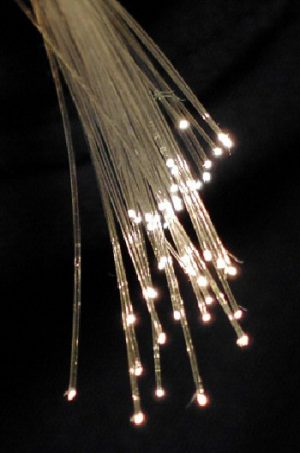
Fiber optics bundle. https://commons.wikimedia.org/wiki/File:Fibreoptic.jpg

You’re probably reading this on some Internet-connected device, aren’t you? It doesn’t matter if you are using a smartphone that receives the information from an antenna, or if the data arrives to your computer, or to the electric post of your neighborhood, through copper wires or coaxial cables. At some point, your access to the web will depend on optical fibers, those transparent, glass or plastic wires, whose diameter is similar to that of human hair strands (from a few tens of microns to a few hundreds of microns).

Fiber-optic cables are large data highways that connect continents, countries, cities, and data centers to each other. Only in the sections closest to the user, the information travels through other types of routes, in slower traffic. According to data from Corning Incorporated there are more than 2 billion kilometers of optical fibers installed in the world, enough to circle the Earth by the equatorial line 50 thousand times!

If optical fibers are highways, light is the means of transport that transits through them, and the data are the passengers, which travel coded as optical signals. On these highways, the passengers can travel about 200,000 km (five laps over the Equatorial line) in 1 second.

The first fiber “usable” in communications was produced in 1970 in the United States, more precisely at Corning Glass Works (now Corning Inc.), a company specializing in vitreous and ceramic materials. But the history of the development of fiber optic begins much earlier. Let’s describe the moments we believe are the most important in this story, carried out by many scientists of different nationalities. It should be noted that there were many patent litigations and that several of the researchers involved did not recognize the work of the previous ones.

Nineteenth Century: guiding light by sinuous paths

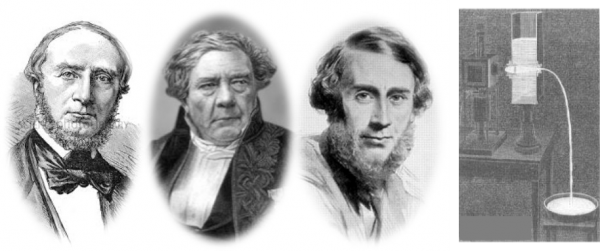
In the nineteenth century, some renowned scientists experimentally demonstrated that light could be driven by certain means (in this case, a jet of water) forcing it to follow a certain path, including following curves. There are records of demonstrations and publications carried out in scientific societies in Europe in the 1840s and 1850s by the Swiss Jean-Daniel Colladon (1841), the Frenchman Jacques Babinet (1842) and the Irishman John Tyndall (1854). The experiment, which is illustrated in the image below, shows that light, guided by water, was diverted from its rectilinear path to make a curved path.

On the left: Colladon, Babinet and Tyndall. On the right, the drawing of the experiment they presented.

But was the light, following the water “path” really describing a curved trajectory? Of course not. What these scientists were showing was light reflecting again and again in the water stream, describing a kind of zigzag due to the phenomenon known as total internal reflection. This is more or less as follows. When the flow of water begins to curve, the light, which travels in a straight line, ends up reaching the interface between water and air. Then it is reflected by the inner “wall” of the water stream and hits the opposite “wall” where it is reflected back. And so it continues its zigzag path into the water. The phenomenon occurs due to differences between the way water and air interacts with light (refractive indexes). For the phenomenon to happen, it is critical that light describes a greater angle to the so-called “critical angle” when reaching the interface between water and air. Obviously, the phenomenon can happen in various media, not just in the water-air system.

The nineteenth-century experiment resembles the one that appears at the beginning of this video (except, of course, for some updates implemented in the video, such as the use of lasers). See how beautiful it is:

Flexible glass fibers to explore the digestive tract

Apparently Jaques Babinet went a little further in exploring full internal reflection and demonstrated that a curved glass rod could also guide the light.

The idea was in all probability taken up again in the 1920s, when attempts were made to use flexible glass rod bundles to conduct light and be able to see otherwise inaccessible places, such as the interior of the digestive tract (medicine). Not that there were no instruments for this, for instance endoscopes, but they were rigid and therefore feared by the patients (rightly so!).

But is glass flexible? Yes, when it’s thin, it’s very flexible.

However, these fiber ancestors were not efficient; the phenomenon of full reflection was not full at all there, the light escaped through the “walls” and the fibers did not fulfill their role of illuminating the human body.

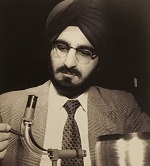
Narinder Singh Kapany. http://www.sikhfoundation.org/people-events/jewels-of-punjab-dr-narinder-singh-kapany/

Fortunately, in the 1960s flexible glass fibers capable of guiding light were now ready for various applications, largely due to two scientific contributions. On the one hand, Indian Narinder Singh Kapany and his doctoral advisor Harold Hopkins, working at Imperial College London (England), overcame the technological challenge of making a glass fiber bundle that delivered a quality image. The bundle, which the authors called the fibroscope, had several hundred fibers of 75 cm in length. On the other hand, the Dutchman Abraham C.S. van Heel of the Technical University of Delft (The Netherlands) successfully demonstrated the idea of coating glass fibers with lower refractive index materials to achieve full (or close to) reflection. Both papers were published in the same issue of the journal Nature (volume 173, number 4392). Published January 2, 1954, the edition can be considered a milestone in the field of optical fibers. The articles made public important developments and demonstrations, and encouraged the development of products.

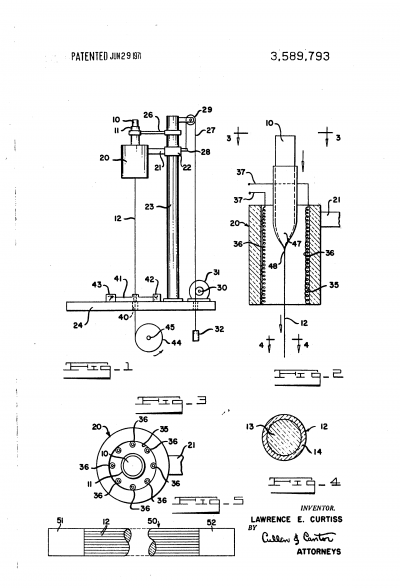
Detail of the patent on the manufacture of fiberglass coated with glass. https://patents.google.com/patent/US3589793A/en?inventor=Lawrence+E.+Curtiss

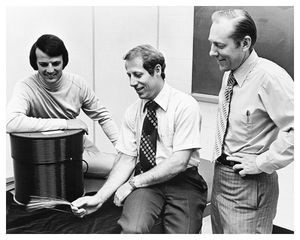
One such product was the flexible gastrointestinal endoscope (gastroscope), which began to materialize when Basil Hirschowitz, a South African surgeon and a gastroenterologist in London, read the cited papers from Nature. The surgeon was currently doing a research internship at the University of Michigan (USA) and recruited an under graduate Physics student, Lawrence Curtiss. Young Larry, apparently very capable, was heavily involved in the project, enough not to give up given the difficulties he encountered in trying to reproduce the processes reported in the articles and in trying to reduce the light losses of the fibers. In 1956, Curtiss made an important contribution to the development of fiber optics: he developed the first fiber with glass core and coating. In fact, he was able to carry out his idea of coating a fiber made of a certain glass with another glass of lower refractive index. To do this, he developed a simple manufacturing method: introduce a stick of the core glass into a tube of the other glass, heat it all together and pull out a fiber from the medium. The resulting fibers were extremely thin, about 5 microns. In 1957, the patent application for this optical fiber and the process was deposited, and in 1971 it was granted.

The same year the fiber patent was deposited, Hirschowitz began testing and disseminating the fiber optic endoscope with glass core and coating. The flexible endoscope subsequently made a number of significant advances in medicine, such as minimally invasive surgeries such as laparoscopy.

However, in the 1950s, no applications were found or any attempts to apply optical fiber in the communications of the time (telephony, radio, television). However, data transmission through copper wires was not meeting the demands. In 1956, the first transatlantic telephone cable was installed, which actually worked. Nevertheless, it allowed only 36 simultaneous calls…

On the other hand, the laser had just been invented, opening possibilities for transporting information (including voice) encoded in light. This, however, required a medium that would guide the light through the desired routes.

For us, in 2018, it is obvious that this medium is the optical fiber, but fifty years ago it was discarded by many researchers. Why? Because of the strong attenuation (loss of light along the way) the fibers presented at that time. The amount could be negligible for an endoscope of less than a meter, but it was extremely significant in a cable of thousands of kilometers.

New work needed to be developed. New researchers would emerge. Who, when, where and how? We will tell you soon.


Interested? Our reading tip: Hecht, “City of light. The story of fiber optics”, Oxford University Press (1999).

Brief interviews with scientists: Bernhard Keimer (Max Planck Institute for Solid State Research, Germany).

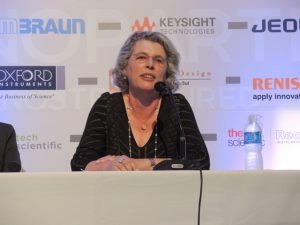
Prof. Bernhard Keimer

Superconductivity and giant magnetoresistance are examples of phenomena that can occur in some materials or systems driven by the so-called electronic correlation, in which the behavior of an electron is strongly influenced by the behavior of other electrons of the same system.

At one of the Max Plank Institutes, located in Stuttgart, Germany, a group of researchers led by Professor Bernhard Keimer works hard to understand and control the behavior of correlated electrons. For this, the team produces heterostructures (structures composed of several materials with differentiated characteristics) of metallic oxides, and characterizes them using a series of experimental techniques, mainly of spectroscopy.

Professor Keimer will be at the XVII B-MRS Meeting in September talking about this research program in the lecture “Spectroscopy of collective excitations in oxide heterostructures”. In his plenary talk, Keimer will present methods and results, including some possibilities of controlling correlated-electrons phenomena.

Bernhard Keimer has been director of the Max Planck Institute for Solid State Research as well as honorary professor at the University of Stuttgart since 1998. From 1992 to 1998, he was Professor of Physics at Princeton University. He graduated in Physics from the Technical University of Munich in 1985 and, in 1991, obtained his PhD in Physics from the Massachusetts Institute of Technology (MIT), where he remained for one year as a postdoc. According to Google Scholar, Keimer has an H index of 86 and his scientific production has more than 24,500 citations.

See our mini interview with this German scientist.

B-MRS Newsletter: – One of the goals of the research you perform with your team at the Max Plank Institute is to control the behavior of strongly correlated electrons, right? In your opinion, what could be the most promising applications emerging from this control? Comment shortly, please.

Bernhard Keimer: – Quantum correlations between electrons generate a large variety of electronic ordering phenomena with vastly different macroscopic properties. Understanding and controlling the collective behavior of electrons in “quantum materials” is a grand intellectual challenge for fundamental research. In the long term, research on quantum materials might enable the design of a new generation of devices based on electrons flow with minimal – or even zero – dissipation.

B-MRS Newsletter: – We want to know more about your work. Please choose a paper of your own (your favorite one) related to the subject of the plenary lecture and briefly describe it, as well as share the reference.

Bernhard Keimer: – As a general introduction to the physics of quantum materials, I recommend a recent review article (B. Keimer & J.E. Moore, Nature Physics 13, 1045 (2017)) A particularly fascinating topic is high-temperature superconductivity. My group uses heterostructures and superlattices to investigate novel collective phenomena emerging at the interface between high-temperature superconductors and other quantum materials. As an example, the figure below shows a kaleidoscope of quantum phases in a 50 nm thin layer of a copper oxide superconductor sandwiched between two layers of an oxide ferromagnet (A. Frano et al., Nature Materials 15, 831 (2016)). My group is developing spectroscopic methods that allow visualization of these phases in a depth-resolved manner.

This schematic figure above shows electronic ordering phenomena in a layer of the high-temperature superconductor YBa2Cu3O7 (YBCO) between two ferromagnetic manganese-oxide layers as a function of temperature (T) and distance across the layer. FM = ferromagnetism, SC = superconductivity, AFI = antiferromagnetic insulator, SDW = spin density wave, CDW = charge density wave. The graph below shows the density of mobile charge carriers, p, as a function of distance. (A. Frano et al., Nature Materials 15, 831 (2016)).


For more information on this speaker and the plenary talk he will deliver at the XVII B-MRS Meeting, click on the speaker’s photo and the title of the speech here https://www.sbpmat.org.br/17encontro/home/

Brief interviews with scientists: Junbai Li (Chinese Academy of Sciences).

Prof. Junbai Li
Prof. Junbai Li

With molecules similar to those that nature uses to make up proteins, Professor Junbai Li produces nanomaterials for biomedical applications. More precisely, the Chinese scientist uses an amino acid known as diphenylalanine as the basic unit to form structures based on peptides (amino acid chains) by means of self-assembling processes. Although these processes occur spontaneously, Prof. Li has his own recipes in order to control the format of the resulting structures.

The fabrication and applications of these self-assembled nanomaterials will be the subject of Professor Li’s plenary lecture at the XVII B-MRS Meeting, entitled “Molecular Assembly of Peptide Based Materials towards Biomedical Application”.

Junbai Li is a professor at the Institute of Chemistry at the Chinese Academy of Sciences. He is the author of over 280 articles published in international journals and 8 book chapters, and owner of 20 authorized patents. He is also the editor of 5 books. His scientific production has 10.100 citations and his index h is 55. Li serves as editor-in-chief of the journal Colloids & Surfaces A (Elsevier) and editor of the self-assembling section in Current Opinion in Colloid & Interface Science (Elsevier). Junbai Li received his Ph.D. in Chemistry from the University of Jilin (China) in 1992 and held postdoctoral studies at the Max Planck Institute for Colloids and Interfaces (Germany) from 1994 to 1996.

See our mini interview with Professor Li.

B-MRS Newsletter: – What do you think are the most promising applications of peptide-based self-assembled materials and why?

Junbai Li: – Peptide-based nanostructures have attracted considerable attention owing to their biocompatibility, capability of molecular recognition, and well-defined structures. Firstly, the cationic dipeptides self-assemble into nanotubes at physiological pH values, and these cationic dipeptide nanotubes can also rearrange to form vesicles upon dilution. Furthermore, they can traverse cell membranes and be absorbed by the cells upon spontaneous conversion into vesicles. With such a surface highly positive charged property, peptide-based self-assembled materials can effectively be used for the genic transfer and delivery. Secondly, the traced quantum dots (QDs) can be well distributed in a peptide-based gel against QDs aggregation and oxidation to improve the stability for bioimaging and biosensor.

B-MRS Newsletter: – We want to know more about your work. Please choose two papers/ patents of your own (your favorites) and briefly describe them, as well as share the references.

Junbai Li: – Our group have worked on the self-assembly of aromatic dipeptides for a long time. We find that cryogenic treatment at 77 K enabled the tunable transition of a self-assembled diphenylalanine organogel into a hexagonal crystal and form a well-defined chiral crystal structure. These assemblies exhibit enhanced emission. (X.C. Liu, et al. Angew. Chem. Int. Ed. 2017, 56, 2660-2663).https://onlinelibrary.wiley.com/doi/pdf/10.1002/anie.201612024

Another work is under light illumination, a long-lived photoacid generator releases a proton and mediates the dissociation of dipeptide-based organogel, resulting in sol formation. Under darkness, the photoswitchable moiety entraps a proton to lead to the gel regeneration. It opens a new possibility for the light-controlled phase transition of peptide-based biomaterials. (X. B. Li, et. al. Angew. Chem. Int. Ed. 2018, 57, 1903 -1907). https://onlinelibrary.wiley.com/doi/pdf/10.1002/anie.201711547

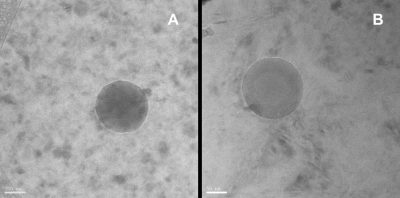
a) Encapsulation of the CdSeS nanocrystals in dipeptide gel. PL photograph of four different encapulated QDs gels, TEM image of the encapsulated QD523 nanocrystals in the fibril network and magnified TEM image of the QD523 nanocrystals immobilized to the fibril. (X. H. Yan, et. al, Chem. Mater. 2008, 20, 1522-1526). b) TEM images of FF-based nanocontainer after incubation at pH 5.0, 7.2, and optical image of the in vivo clotting measurement. (J. B. Fei, et. al, Adv. Healthcare Mater. 2017, 6, 1601198). c) Optical waveguiding of dipeptide single crystals. Photoluminescence image of platelets excited at 330–380 nm. The red circle marks the excitation area, and the green arrow denotes the out-coupling of PL emission at the other end. (X. H. Yan, et. al, Angew. Chem. Int. Ed. 2011, 50, 11186-11191). d) Characterization of ultralong FF single crystals. Image, 3D-AFM image and SAED pattern of FF single crystals deposited on a silica surface. (B. B. Sun, et. al, ACS Nano 2017, 11, 10489-10494)

For more information on this speaker and the plenary talk he will deliver at the XVII B-MRS Meeting, click on the speaker’s photo and the title of the speech here https://www.sbpmat.org.br/17encontro/home/

B-MRS Newsletter. Year 5, issue 5.


If you can´t see this e-mail properly, click here.

logo header 400

Newsletter of the
Brazilian Materials
Research Society

Year 5, issue 5. June 8, 2018.
Featured Paper

From a cotton sewing thread, a scientific team has developed a material that conducts electricity and has antibacterial properties. The conductive thread has shown very good performance when used as an electric heater and as a supercapacitor electrode. Flexible, nice to the touch and easy to incorporate into any product using a needle, the conductive thread is a promising material for creating wearable electronics such as energy storage t-shirts. The work was fully carried out at Univasf (in the Brazilian state of Bahia) and was reported in Applied Materials and Interfaces. Know more.

luva

Featured Scientist

We interviewed Joan Ramón Morante Lleonart, director of the Institute of Energy Research of Catalonia, professor at the University of Barcelona and editor-in-chief of the Journal of Physics D. His works are part of efforts to make the “circular carbon economy” real, in which carbon dioxide becomes the main raw material. This requires developing a series of materials, mainly catalytic materials. Professor Morante will address these issues in a plenary lecture of the XVII B-MRS Meeting. See interview.

joan morante

XVII B-MRS Meeting
(Natal, Brazil, September 16 to 20, 2018)

natal_careca

Join us, by the beach, and be part of this great gathering, where science and technology will meet nature to form the ideal learning and exchanging experience!

The event received about 1700 works by authors from 42 countries around the world and from all regions of Brazil! Know more.

Awards for students. Students’ extended abstracts can be submitted until June 18 to apply for the Bernhard Gross and ACS Publications awards. Know more.

Registration. Early fee registration is open until July 31. Know more.

Tutorial. Those enrolled in the event can participate in the tutorial on scientific writing and editorial process at no additional cost. Free registration during the meeting’s general registration. Know more.

Conference Party. The party will be held on the night of September 19, at the Imirá Plaza Hotel & Convention, and will be sponsored by ACS Publications scientific journals. Know more.

Lodging, transfer and tours. See options of the event’s official tourist agency, Harabello, here.

Plenary lectures. Find out who are the 8 internationally renowned scientists who will deliver the plenary sessions and which are the themes of the lectures, here.

Memorial lecture. The Memorial Lecture “Joaquim da Costa Ribeiro” will be delivered at the opening session by Professor Fernando Galembeck. Know more.

Symposia. See the list of symposia that will compose the event, here.

Exhibitors and sponsors. 19 companies have already reserved their places in the exhibition and 14 other entities take part in the event throught other kinds of publicity and support. Companies interested in participating in the event with booths or sponsoring can contact Alexandre at comercial@sbpmat.org.br.

Organizers. The meeting chair is Professor Antonio E. Martinelli (Brazilian Federal University of Rio Grande do Norte, UFRN). Meet the organization committee.

Venue. The event will be held in the convention center of Hotel Praiamar, located a few meters from the famous beach of Ponta Negra. Know more.

City. A well-known destination for international tourists, Natal also offers a pleasant environment to discuss, interact and learn. Its nice weather (dry with an average temperature of around 25 °C in September), the welcoming people and very refined seafood and local gastronomy create an atmosphere of well-being that goes beyond the natural beauty of the city’s coastline. Watch this short video about Natal.

montagem natal

News from B-MRS Members

Prof. Victor Pandolfelli (UFSCar) has been reelected as member of the advisory board of the World Academy of Ceramics (WAC), where he will be one of the three representatives of the American continent. Know more.

pandolfelli

Reading Tips

  • Scientists are able to create spin currents in superconducting materials, opening up possibilities for high-performance computing (paper from Nature Materials). Know more.

  • As if it were a biological system, new electronic material grows or reduces itself in response to biochemical signals (paper from Nature Chemistry). Know more.

  • Developed by scientists, a new curing method of high-performance polymers used in airplanes and cars is very fast, economical and environmentally friendly (paper from Nature). Know more.

  • Ultra-efficient magnetization of a material using only light: Brazilian research has shown that 1 photon can organize 6,000 electron spins in 50 picoseconds (paper from Physical Review Letters). Know more.

  • Review article with the participation of researchers from Brazil: manufacture of 2D carbon materials for energy conversion and storage applications (Progress in Energy and Combustion Science). Know more.

  • Cover article with Brazilian participation features nitrile rubber, a material used in industries such as petrochemicals, with improved mechanical properties due to the addition of hybrid nanoparticles (paper from the Journal of Applied Polymer Science). Know more.

Events

  • 7th International Congress on Ceramics (ICC7). Foz do Iguaçu, PR (Brazil). June 17 – 21, 2018. Site.
  • IX Método Rietveld. Fortaleza, CE (Brazil). Jule 16 – 20, 2018. Site.

  • International Conference on Electronic Materials 2018 (IUMRS-ICEM). Daejeon (South Korea). August 19 – 24, 2018. Site.

  • Symposium “Nano-engineered coatings, surfaces and interfaces” no “XXVII International Materials Research Congress”. Cancun (Mexico). August 19 – 24, 2018. Site.

  • 8th International Conference on Optical, Optoelectronic and Photonic Materials and Applications (ICOOPMA2018). Maresias, SP (Brazil). August 26 – 31, 2018. Site.

  • 16th International Conference on Molecule-based Magnets (ICMM2018). Rio de Janeiro, RJ (Brazil). September 1 – 5, 2018. Site.

  • XVII Encontro da SBPMat/ B-MRS Meeting. Natal, RN (Brazil). September 16 – 20, 2018. Site.

  • XXXIX Congresso Brasileiro de Aplicações de Vácuo na Indústria e na Ciência (CBrAVIC). Joinville, SC (Brazil). October 8 – 11, 2018. Site.

  • São Paulo School of Advanced Science on Colloids (SPSAS Colloids). Campinas, SP (Brazil). October 28 – November 7, 2018. Site.

  • International Conference of Young Researchers on Advanced Materials (ICYRAM 2018). Adelaide (Australia). November 4 – 8, 2018. Site.

  • 6th Meeting on Self Assembly Structures In Solution and at Interfaces. São Pedro, SP (Brazil). November 7 – 9, 2018. Site.

  • 3rd International Brazilian Conference on Tribology (TriboBR 2018). Florianópolis, SC (Brazil). December 3 – 5, 2018. Site.

Follow us on social media

You can suggest news, opportunities, events or reading tips in the Materials field to be covered by B-MRS Newsletter. Write to comunicacao@sbpmat.org.br.


Brief interviews with scientists: Joan Ramón Morante Lleonart (Institut de Recerca en Energia de Catalunya, Spain).

Prof. Joan Ramón Morante Lleonart

Villain of global warming and ocean acidification, the excess of carbon dioxide generated by human activities can be used to produce very useful compounds.

One example is the production of fuels from carbon dioxide, water and sunlight through photosynthesis-like processes, in which catalytic materials can play a key role in significantly increasing the efficiency of reactions.

Scientists from several countries are currently addressing a number of scientific and technological challenges related to the “recycling” of carbon dioxide. Their ultimate objective is to enable the so-called circular carbon economy, a system based on the use of carbon dioxide, renewable energy and environmentally friendly materials, and on the principle of minimizing waste and maximizing reuse.

One of these scientists is Joan Ramón Morante Lleonart, director of the Institute of Energy Research of Catalonia (IREC) and Professor of the Faculty of Physics of the University of Barcelona. Morante, who holds a PhD in Physics from the University of Barcelona, is also the editor-in-chief of the Journal of Physics D: Applied Physics (IOP Publishing). According to Google Scholar, his scientific production has more than 24,000 citations and his h-index is 82.

This Spanish scientist will be in September at the XVII B-MRS Meeting, where he will offer a plenary lecture entitled “Catalyst materials for solar refineries, synthetic fuels and procedures for a circular economy of the CO2”.

See our brief interview with Professor Morante.

B-MRS Newsletter: – Which materials can play an important role in circular economy of the CO2?

The circular CO2 economy implies different materials. First, the CO2 itself that must be captured and purified. These processes are not direct and even require the improvement of these steps, especially the development of materials for membranes that help to properly separate the CO2 from other components that, although smaller, such as sulfur can degrade the catalytic materials.

This is necessary both for the capture of CO2 from the carbon consumption of fossil origin and for the CO2 contained in the processes of fermentation and putrefaction that produce biogas.

However, apart from the caking process, the most critical point that requires the contribution of a deep knowledge of the materials is the step of the catalytic transformation of CO2 to achieve its direct reduction to products such as CO, methanol, formic acid, etc. . or its transformation, using other feed-stock, to methane (synthetic methane) or other products for example by hydrogenation of CO2 (methanation according to the reaction named reaction of Paul Sabatier).

These processes require not only the development of efficient catalysts but also materials for new reactors that combine their resistance to use, being able to resist corrosive conditions together with their thermal dissipation capacity in some cases, or electrical conductivity in other cases, or the lighting conditions for those cases in which the solution passes through the direct transformation of CO2 using the photons of the sun.

The development of these materials offers a magnificent opportunity to apply nanomaterials, being necessary to have large active surfaces per gram of material and controlled characteristics at the nanometer level avoiding degradation phenomena.

All these features constitute a great opportunity for developing science and technology promoting, at the same time, the transfer of science toward larger knowledge as well as new business opportunities giving answers to a truly problem of our society as it is the consumption of fossil energy sources that generate climatic change.

B-MRS Newsletter: – We want to know your work a little more. Choose your favorite scientific contribution and describe it briefly, in addition to sharing the reference.

Some years ago I was working on the compatibility of different materials with the microelectronics processes just looking for the integration of different functionalities (sensors and actuators) together with the processing units. In a way, it is a biomimetic activity because the scientific community tries to do something similar to living beings, that is, put the senses (sensors) to have a signal as information and connect it to a brain (processors) to process it.

In these activities it was necessary to generate electrical signals and control them. From this, I moved to generate electrical signals in different environments but now considered not as a signal of information but as a source of energy.

Again, the best features are achieved by controlling these phenomena on a nanometric scale and that is why now my activities are focused on “nano energy” in order to produce GWh.

Currently, I am focused in the mechanisms of energy transfer in solid interfaces involving electrons, photons and phonons as well as chemicals.

Likewise, I am specialized in the development of renewable energy devices and systems for applications in the field of energy and environment based on nano structures and their functionalization. So I have paid my attention on advanced materials and structures for artificial photosynthesis including the production of hydrogen and fuels at solar refineries. One of my main objectives is how to storage the electrical energy beyond the hydraulic pumping or the limited capacity by using batteries. Chemical storage using hydrogen or synthetic methane or biomethane constitute my main goal although I am also working on electrochemical batteries.

So if I check my last published papers, from one hand, I could highlight “Recent developments in organic redox flow batteries: A critical review” published in J. of Power Sources which is going beyond the lithium ion approaches for batteries , but from the other hand, I would like to underline “Enhanced photoelectrochemical water splitting of hematite multilayer nanowire photoanodes by tuning the surface state via bottom-up interfacial engineering” or “A prototype reactor for highly selective solar-driven CO2 reduction to synthesis gas using nanosized earth-abundant catalysts and silicon photovoltaics” both published in Energy and Environmental Science. Especially the last one is very representative of the above discussed issues.

B-MRS Newsletter: – Choose also a technological contribution that you have participated in: a case of transfer to the industry or a patent, for example, and make a brief description.

Our institute promotes and encourages the transfer of technology and the generation of patents only linked to its industrial exploitation.

During these last years we have patented some aspects of the technology to produce industrial solar or synthetic fuels. So with one of our industrial collaborators some patents have been carried out as “filter-press photoelectrochemical water oxidation and CO2 reduction cell” or “substrate-electrode interface illuminated photoelectrodes and their photoelectrolechemical cells”.

However I would like to indicate another of the patents made in collaboration with other groups that open a new perspective to the catalytic materials for the catalytic conversion of CO2. Its title is “procedure for the reduction of carbon dioxide to methane by catalytic activated by DBD plasma” and deals with the development of new concepts of catalytic materials that are subjected to the action of a plasma which changes all the conditions of the chemical reactions that take place on the surface of the catalyst at the same time that the own plasma contributes a complementary energy to have a different catalytic behavior. This allows to develop other behaviors and concepts. Thus, it has been achieved under adiabatic conditions to have a conversion rate of CO2 at room temperature comparable to that of a standard isothermal thermochemical conversion process at 300-400 °C. This opens new routes to implement more economical and high performance reactors.

—————————–

For more information on this speaker and the plenary talk he will deliver at the XVII B-MRS Meeting, click on the speaker’s photo and the title of the speech here https://www.sbpmat.org.br/17encontro/home/

Featured paper: Conductive cotton thread for sewing wearable electronics.

SEM image of a conductive thread.

The “old-fashioned” sewing thread universally used, for example, to sew buttons, has recently been transformed by a Brazilian scientific team into an electrically conductive and multifunctional material. In fact, the various uses of this new sewing thread go far beyond sewing. It works very well as a mini electric heater, as a component of supercapacitors (devices that store and release energy, similar to batteries) and as a bactericidal agent. In addition, the thread is flexible and comfortable to the touch, and retains its electronic properties even after being washed, twisted, curled or folded repeatedly.

With these characteristics, this fiber can play an important role in wearable electronics – the set of electronic devices designed to be worn on the human body, incorporated into clothing or accessories.

“As the thread is a basic element for the design of textiles, we imagine that any wearable product can make use of this technology”, says Helinando Pequeno de Oliveira, a professor at the Brazilian Federal University of the Vale de São Francisco (Univasf) and leader of the scientific team that developed the conductive and bactericidal thread. Together with three other authors, all linked to Univasf, Oliveira authors an article reporting this work, which was recently published in the journal ACS Applied Materials and Interfaces.

The conductive  and bactericidal fiber of Oliveira and his collaborators is made of a composite material: cotton thread of 0.5 mm diameter, coated with carbon nanotubes and polypyrrole. The resulting material presents, in addition to high electrical conductivity, good electrochemical activity – necessary characteristic for it to be used in supercapacitors.

To make the conductive  fiber, the Univasf team developed a very simple process, formed by two main stages. In the first step, pieces of cotton thread are submerged in a paint of carbon nanotubes, previously modified in order to increase their interaction with the cotton. As a result, the thread is coated by a continuous network of interconnected nanotubes.

The second step is intended to coat the fibers with a second material: polypyrrole. To do this, a solution is initially formed by pyrrole and the solvent hexane, in which the fibers coated with nanotubes are submerged. Thereafter, another solution is poured over this preparation. The second solution consists of water and some compounds, which will be incorporated in very small amounts into the chemical composition of the polypyrrole in a process called “doping” of the material. At the interface between both solutions, which do not mix, the small pyrrole molecules are bound together, resulting in the formation of polypyrrole macromolecules that are deposited on the surface of the fibers. This process, in which a polymer forms at the interface between two solutions, is called “interfacial polymerization”. “Given the good polypyrrole doping level (optimized for this synthesis) and its strong interaction with the functionalized nanotubes, the resulting fibers display excellent electrical properties,” says Professor Oliveira.

The scientific team also produced some variants of this sewing conductive  thread. For example, a fiber without carbon nanotubes and another fiber whose polypyrrole coating was produced by means of non-interfacial polymerization. However, the lines with carbon nanotubes and interfacial polymerization showed the best electrical and electrochemical performance.

Heaters and supercapacitors made of cotton fibers

First and second generation supercapacitor prototypes based on conductive sewing lines.

“The high electrical conductivity (together with the good porosity of the material) made of the material a great prototype for application in electrodes of supercapacitors”, says Oliveira. “These properties also made it possible to use it as an electric heater with very low operating voltages (of the order of a few volts). In addition to these applications, the antibacterial potential of the matrix”, he adds.

In addition to testing the performance of the conductive and bactericidal fiber in isolation in the laboratory, Oliveira and his collaborators developed a proof of concept. “We used a needle to sew the thread in a glove”, says the professor. With this we could monitor the temperature that the hand, wearing this glove, would reach when we connected the device to a power supply,” he explains.

The heating system tested on the glove can be adapted to a variety of contexts, such as an ambulatory version of thermotherapy (therapeutic heating of body regions, which is often used in physiotherapy sessions)with the added advantage of antibacterial action. This property is particularly interesting in materials that are used in contact with the skin, since, in this way, they avoid diseases and odors. In the case of polypyrrole, the action occurs when the material electrostatically attracts the bacteria and promotes the breakdown of its cell wall, inhibiting its proliferation.

Local heating (in degrees centigrade) provided by the conductive thread sewn to the index finger of the glove, after applying an electric voltage of 12 V.

A possible wearable product based on the conductive sewing thread is a thermal jacket.It could be powered by a solar cell incorporated into the jacket, or by means of triboelectric devices, which would reap the energy generated by the user’s movement of the jacket.The resulting energy would be stored in a supercapacitor made with the conductive fiber. Tailored to the jacket, the supercapacitor would provide electricity to the heater when needed.
Another example is the energy storage t-shirt, in which Professor Oliveira’s group is currently working to generate a marketable product. We are currently optimizing the production of supercapacitors in pieces of cotton and lycra fabrics as a way to connect them directly to portable power generators, thus enabling the development of energy storage t-shirts,” says Oliveira.

Science and technology developed in the backlands

The work reported in the ACS Appl. Mater. Interfaces and their developments were fully carried out at the Materials Science Research Institute of Univasf, on the campus of the municipality of Juazeiro, located in the north of the state of Bahia. Univasf, which has six campuses located in the interior of the states of Bahia, Pernambuco and Piauí, was created in 2002 and inaugurated in 2004. In the same year, Oliveira became a professor at the institution.

The development of the conductive cotton lines was born from a thread of research on electronics and flexible devices, created in 2016. In 2017, the idea became the theme of the master’s work of Ravi Moreno Araujo Pinheiro Lima, guided by Professor Helinando Oliveira, within the Postgraduate Program in Materials Science at Univasf – Juazeiro, created in 2007. Post-doc José Jarib Alcaraz Espinoza, who was optimizing syntheses of conductive polymers for supercapacitors, adapted a methodology to interfacial polymerization in cotton. With this, the researchers realized that the conductor lines worked as good supercapacitor electrodes, and fabricated these devices. At the same time, with the collaboration of Fernando da Silva Junior, a doctoral student of the institutional postgraduate program Northeast Network of Biotechnology, the team tested the action of the material against the bacterium Staphylococcus aureus, responsible for a series of infections of varying degrees of severity not human.

“These results reflect Brazil’s investment in the internalization of its network of federal teaching and research institutions. With this, the migration of the sertanejo towards the great capitals in the search for knowledge has been reduced. Now there is also more science being produced in the northeastern backlands”, says Professor Oliveira. “However, recent cuts in S & T have launched a huge cloud of uncertainty about the future of science in the country (and in particular about these young institutions). The Brazilian government does not have the right to throw so many dreams in the trash. Science needs to overcome this crisis,” completes the researcher.

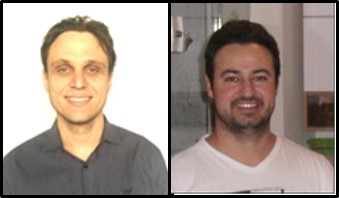
Photo of the research group led by Professor Oliveira at the Institute for Research in Materials Science. To the right, in blue, the authors of the article.

[Paper: Multifunctional Wearable Electronic Textiles Using Cotton Fibers with Polypyrrole and Carbon Nanotubes. Ravi M. A. P. Lima, Jose Jarib Alcaraz-Espinoza , Fernando A. G. da Silva, Jr., and Helinando P. de Oliveira. ACS Appl. Mater. Interfaces, 2018, 10 (16), pp 13783–13795. DOI: 10.1021/acsami.8b04695]

XVII B-MRS Meeting received about 1.700 submissions.

About 1700 abstracts were submitted to the XVII B-MRS Meeting, with oral or poster presentations at one of the 21 symposia that comprise this edition of the event.

The works submitted are signed by authors from 42 countries worldwide and, within Brazil, from 25 states of the federation, representing all regions of the country.

Some of the symposia had more than 100 papers submitted. This was the case for the symposia on (nano) materials for biomedical applications (224 submissions), surface engineering (120), metal oxide nanostructures (118), and organic electronics and bioelectronics (117).

Prof. Victor Pandolfelli reelected for the advisory board of the World Academy of Ceramics.

Prof. Victor Carlos Pandolfelli (UFSCar).

B-MRS member Victor Carlos Pandolfelli, professor in the Department of Materials Engineering at the Federal University of São Carlos (DEMa-UFSCar), was reelected as a member of the advisory board of the World Academy of Ceramics (WAC) to fulfill his second 4-year term (2018 to 2022). The board will include the Brazilian researcher, along with Professor Gary Messing (Penn State) and Dr. M. Singh (NASA), as representatives of the Americas.

In order to be part of the WAC advisory board, it is necessary to be a member of the Academy and be elected by vote of the members of the same region of the planet (in this case, the American continent). The names of the most voted must be endorsed by the presidency of the Academy. To be a member of the WAC, one must undergo a selection process that includes nomination by two effective members, evaluation of the application by a peer committee selected by the Academy, and final approval by at least ten of the twelve members of the advisory board.

According to Professor Pandolfelli, some of the activities he will hold in the council over the next four years are: reviewing the WAC admission rules, defining the members who will participate in the new candidate selection processes, defining the topic and speakers for technical presentations and awards in the scientific forum for members of the Academy.

The inauguration and first meeting of the new council will be held next June in Perugia (Italy).

B-MRS Newsletter. Year 5, issue 4.


If you can´t see this e-mail properly, click here.

logo header 400

Newsletter of the
Brazilian Materials
Research Society

Year 5, issue 4. May 8, 2018.
Featured Paper

A Brazilian scientific team reported in Nature Physics the first observation of a phonon with spin – something similar to a network of atoms vibrating and rotating. The discovery may have an important impact on spintronics. Know more.

artigo fonos

From Idea to Innovation

To inaugurate this section of the newsletter, dedicated to telling the story of inventions that have become successful products, we propose a pun with you, reader: a riddle. Here’s the first clue. It is about a biomimetic product, metonymic, adored by children… and very practical. See here.

velcro news

XVII B-MRS Meeting
(Natal, Brazil, September 16 to 20, 2018)

natal_careca

Join us, by the beach, and be part of this great gathering, where science and technology will meet nature to form the ideal learning and exchanging experience!

Acceptance of works. Until May 25, authors submitting abstracts will receive notification regarding acceptance, rejection, or need to modify abstracts.

Awards for students. Students’ extended abstracts can be submitted until June 18 to apply for the Bernhard Gross and ACS Publications awards. Know more.

Conference Party. The party will be held on the night of September 19, at the Imirá Plaza Hotel & Convention, and will be sponsored by ACS Publications scientific journals. Know more.

Symposia. See the list of symposia that will compose the event here.

Registration. Early fee registration is open until July 31. See registration fees here.

Lodging, transfer and tours. See options of the event’s official tourist agency, Harabello, here.

Plenary lectures. Find out who are the 8 internationally renowned scientists who will deliver the plenary sessions and which are the themes of the lectures, here.

Memorial lecture. The Memorial Lecture “Joaquim da Costa Ribeiro” will be delivered at the opening session by Professor Fernando Galembeck.

Exhibitors and sponsors. 18 companies have already reserved their places in the exhibition and 13 names support the event throught other kinds of publicity. Companies interested in participating in the event with booths or sponsoring can contact Alexandre at comercial@sbpmat.org.br.

Organizers. The meeting chair is Professor Antonio E. Martinelli (Brazilian Federal University of Rio Grande do Norte, UFRN). Meet the organization committee.

Venue. The event will be held in the convention center of Hotel Praiamar, located a few meters from the famous beach of Ponta Negra. Know more.

City. A well-known destination for international tourists, Natal also offers a pleasant environment to discuss, interact and learn. Its nice weather (dry with an average temperature of around 25 °C in September), the welcoming people and very refined seafood and local gastronomy create an atmosphere of well-being that goes beyond the natural beauty of the city’s coastline. Watch this short video about Natal.

montagem natal

News from B-MRS Members

Antonio Martinelli (scientific director of B-MRS) and Fernando Lázaro Freire Jr (former president of B-MRS) were chosen as coordinators of the Materials and Astronomy/Physics areas at CAPES, the Brazilian federal agency for the improvement of graduate programs. Know more.

novos coordenadores

Video: In an interview with UFSCar Radio program, Prof. Edgar Zanotto (co-founder of B-MRS) talks about the importance of glass, from its role in the beginning of the scientific revolution to the use of bioactive glasses in the health area. The scientist also comments on the role of Brazilian groups in global research on glassy materials. Watch.

zanotto

Video: In an interview with TV NBR, Prof. María del Pilar Hidalgo Falla talks about her work on nanocatalysts, nano-filters, nanosensors and alternative energy sources, and about the International Association of Advanced Materials award that she received in February at an event in Singapore. Watch.

maria del pilar

Reading Tips

  • Method for super-fast material development, based on artificial intelligence + “experiment factory”, leads to the discovery of new metallic glasses (paper by Science Advances). Know more.

  • Scientists propose material that is quasicrystal and superfluid at the same time (paper from Physical Review Letters). Know more.

  • Two-dimensional channels: Brazilian research provides a detailed description of the mechanisms by which graphene oxide membranes separate water from alcohol (paper from Carbon). Know more.

Opportunities

  • Call of the M-ERA NET network (European Union) and FAPESP for transnational projects of research and innovation in Materials. Know more.

Events

  • 6º Encontro Nacional de Engenharia Biomecânica (ENEBI 2018). Águas de Lindoia, SP (Brazil). 8 – 11 May, 2018. Site.

  • 2a Escola de Pesquisadores do campus USP São Carlos. São Carlos, SP (Brazil). 9 – 10 May, 2018. Site.

  • 8th International Symposium on Natural Polymers and Composites. São Pedro, SP (Brazil). 27 – 30 May, 2018. Site.

  • Photonic Colloidal Nanostructures: Synthesis, Properties, and Applications (PCNSPA 2018). São Petersburgo (Russia). 4 – 6 June, 2018. Site.

  • 7th International Congress on Ceramics (ICC7). Foz do Iguaçu, PR (Brazil). 17 – 21 June, 2018. Site.

  • IX Método Rietveld. Fortaleza, CE (Brazil). 16 – 20 July, 2018. Site.

  • International Conference on Electronic Materials 2018 (IUMRS-ICEM). Daejeon (South Korea). 19 – 24 August, 2018. Site.

  • Symposium “Nano-engineered coatings, surfaces and interfaces” no “XXVII International Materials Research Congress”. Cancun (Mexico). 19 – 24 August, 2018. Site.

  • 8th International Conference on Optical, Optoelectronic and Photonic Materials and Applications (ICOOPMA2018). Maresias, SP (Brazil). 26 – 31 August, 2018. Site.

  • 16th International Conference on Molecule-based Magnets (ICMM2018). Rio de Janeiro, RJ (Brazil). 1 – 5 September, 2018. Site.

  • XVII B-MRS Meeting. Natal, RN (Brazil). 16 – 20 September, 2018. Site.

  • XXXIX Congresso Brasileiro de Aplicações de Vácuo na Indústria e na Ciência (CBrAVIC). Joinville, SC (Brazil). 8 – 11 October, 2018. Site.

  • São Paulo School of Advanced Science on Colloids (SPSAS Colloids). Campinas, SP (Brazil). 28 October – 7 November, 2018. Site.

  • International Conference of Young Researchers on Advanced Materials (ICYRAM 2018). Adelaide (Australia). 4 – 8 November, 2018. Site.

  • 6th Meeting on Self Assembly Structures In Solution and at Interfaces. São Pedro, SP (Brazil). 7 – 9 November, 2018. Site.

  • 3rd International Brazilian Conference on Tribology (TriboBR 2018). Florianópolis, SC (Brazil). 3 – 5 December, 2018. Site.

Follow us on social media

You can suggest news, opportunities, events or reading tips in the Materials field to be covered by B-MRS Newsletter. Write to comunicacao@sbpmat.org.br.
Unsuscribe here if you don´t want to receive our newsletters anymore.


XVII B-MRS Meeting: submission system remains open until May 4th.

Yesterday, April 30th, was the deadline for abstract submission to the 17th Brazil-MRS meeting, Natal, 2018. However, the organization received a number of messages from last minute authors experiencing system difficulty to send their contributions. Therefore, the system will remain open until May 4th to receive your abstract.

For details, visit https://www.sbpmat.org.br/17encontro/home/

Brazil-MRS 2018 Organizing Committee