|
|||||||||||||||||||||||||||||||||||||
|
|||||||||||||||||||||||||||||||||||||
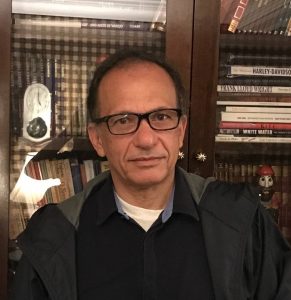
João Alziro Herz da Jornada was born on June 1, 1949 in São Borja (Rio Grande do Sul State, Brazil). Between 1968 and 1971, he studied Physics at the Federal University of Rio Grande do Sul (UFRGS), in the city of Porto Alegre. Shortly after receiving his bachelor’s degree, he started his master’s degree in Physics, also at UFRGS, which he completed in 1973. His master’s dissertation focused on one of the subjects which he would pursue throughout his scientific career, the effect of high pressures on materials.
In August of 1974, he assumed the position of assistant professor of the Physics Institute of UFRGS. From 1977 to 1979 he did a PhD in Science at UFRGS, where he developed new research on the effects of high pressures on materials, guided by Professor Fernando Claudio Zawislak. His doctoral thesis received praise from UFRGS. In 1983 and 1984, he carried out his postdoctoral studies at the National Institute of Standards and Technology (NIST), an institute dedicated to promoting innovation and industrial competitiveness through metrology, science and technology in the United States. In April 1985, he became a full professor at the Physics Institute of UFRGS, a position he held until his retirement in February 2016. Since then, he has been a guest contributor at this institution. Throughout his academic career at UFRGS, he held several management positions, including president of the university’s research chamber and coordinator of post-graduate programs at the Institute of Physics. Professor Jornada also created and coordinated the Laboratory of High Pressures and Advanced Materials of IF-UFRGS.
From 1993 to 2000, Jornada was the coordinator of the executive committee of the Rio Grande do Sul Metrology Network Association (RS Metrology Network), an entity created in 1992, acting in qualified metrology.
From 2000 to 2004, Jornada was director of scientific and industrial metrology at the National Institute of Metrology, Quality and Technology (Inmetro), a federal agency linked to the Ministry of Industry, created in 1973, whose mission is to strengthen national companies, increasing their productivity by adopting mechanisms aimed at improving the quality of products and services.
In December 2004, Professor Jornada assumed the presidency of Inmetro, remaining in the position for 11 years, until December 2015. During his mandate, Jornada promoted changes in the strategy, training, infrastructure and management of Inmetro, which led the institution to increase its national and international scientific recognition and to develop interactions with academia, companies and government.
Jornada received a series of honors, mainly from the Rio Grande do Sul Research Foundation (FAPERGS), from the Presidency of the Republic, Brazilian Air Force, Ministry of Foreign Affairs and Brazilian Navy. He has been a member of the Brazilian Academy of Sciences since 2001, and a fellow of TWAS (The World Academy of Sciences for the advancement of science in developing countries) since 2008. Since 2016, he has been a distinguished fellow of the Global Federation of Competitiveness Councils, a network of individuals and organizations involved in competitiveness strategies, based in Washington (USA).
The scientist is the author of about 100 papers published in scientific journals, including Science and Nature.
SBPMat Bulletin: Tell us what led you to become a scientist and, in particular, to work in the area of Condensed Matter Physics.
João A. Herz da Jornada: I had a great interest in science from a very early age. The environment in the late 1950s and early 1960s, during my childhood and adolescence, was especially stimulating for the scientific career, especially Physics. There was so much emphasis in the press on topics that fascinated me, such as rockets, sputnik, space race, nuclear power, transistor, computers… It was a time when the world saw Science with extreme optimism and confidence, truly the “endless frontier”, in the words of Vannevar Bush. Science represented certainties, providing the sure way to answer all questions, large and small, a true, complete and unified worldview – perhaps the apex of the Enlightenment ideology. All this fascinated me. I have always enjoyed reading, learning, experimenting and building things involving Physics, Chemistry and Electronics, enjoying the pleasure of discovery and accomplishment. Therefore, following a scientific career was very natural. I graduated in Physics and did a masters and PhD in Experimental Physics, applying techniques of Nuclear Physics to problems of Condensed Matter Physics, under the guidance of Fernando Zawislak. At that time Condensed Matter Physics was emerging dynamically, there were plenty of interesting problems to tackle and also relevant demands for applications in various areas. My PhD work involved designing and building very high pressure chambers, requiring deeper knowledge about some materials properties; so I began to take interest beyond Condensed Matter Physics, entering into Materials Science. Moreover, I was enthusiastic about the potentialities of the Condensed Matter Physics technique, because it allows considerable and controllable variations of interatomic distances, determinants of properties of solids, besides generating phase transformations. As there was no expertise at all in high pressure in Brazil, I decided to create a Laboratory to develop the technique, implement good experimental infrastructure and explore its possibilities as a new research instrument in our surroundings. In fact, we set up a good laboratory, with different types of systems for producing high pressure, designed and built right here, enabling high-temperature and in-situ measurements using various probing techniques such as optical spectroscopy and x-ray diffraction. We were then able to develop several lines of research in Condensed Matter Physics. I am using the plural to emphasize teamwork with a fantastic team of students and collaborators. The mastery of this technique further increased my interest in Materials Science because it offered a new window of opportunity for the production of new materials, especially superhard materials such as diamond and its composites. The production of synthetic diamonds in our Laboratory undeniably led us to Materials Science, with some very representative research lines, such as diamond synthesis by high pressures and by CVD, production of compacts and composites of high hardness materials, production of diamond cutting tools and cBN, etc. Subsequently we started work on ceramic materials, involving both basic research and applied research, in association with companies to produce structural ceramics.
But there is also a factor I believe has influenced my career choice: both Condensed Matter Physics and Materials Science offer tremendous possibilities for innovations and wealth generation for society, our society that despite the difficulties, supports and pays for our work. I have a sense of duty, shared by many of my generation, in order to effectively help our Country’s development.
SBPMat Bulletin: What do you believe are your main contributions to the Materials area? We would like to ask you to go beyond listing the results and briefly describe the contributions you consider as the most relevant or most outstanding. In your response, we ask that you consider all aspects of scientific activity.
João A. Herz da Jornada: The answer is not easy, given the multiple dimensions of the question and the natural difficulty of speaking about one’s own deeds. I will comment briefly on some points. Firstly, the formation of people, in a varied spectrum of levels within the area of Materials: Doctors, Masters, undergraduate students and scientific initiation fellows. In fact, I believe the formation of quality human resources is the greatest contribution of basic research in a country like Brazil, still under development. I am very proud to have contributed to the scientific development of many people, in particular the many doctors I have helped who are now in important leadership positions. Another aspect that I consider relevant is with regard to the construction, together with dedicated students and collaborators, of the unique laboratory infrastructure in the area of high pressures and associated techniques, enabling many research works and also some that support the Industry. We implemented the high pressure technique in Brazil, building various types of equipment, and applied it in a wide range of scientific and technological works, including synthesizing diamonds and other advanced materials for the first time in the Country.
Like all Brazilian researchers, my scientific contributions, especially publications, are detailed in the Lattes Curriculum, but from a personal point of view I have been very pleased with some of the publications in high impact journals, such as Science, Nature, PRL and PR, which were the results of works entirely carried out in our Laboratory, with own ideas and with equipments largely constructed by us, often using scrap from old equipments. Another contribution to the Science of Materials was the creation of the Materials Laboratory at Inmetro, during my term as president of that institution. In addition to being an interesting scientific program and a very high-level team, the largest electronic microscopy infrastructure in the Southern Hemisphere was implemented, accessible to the entire scientific and technological community in the country. At UFRGS, I was one of the founders of the Postgraduate Program in Materials Science and of the Center for Microscopy and Microanalysis. I also highlight the construction of a network of international partnerships involving materials and high pressure studies.
SBPMat Bulletin: You will be honored at the XVI SBPMat/B-MRS Meeting with the “Joaquim da Costa Ribeiro” Memorial Lecture. Could you briefly comment on what you will discuss in this talk and/or leave an invitation to our readers.
João A. Herz da Jornada: I am honored by this recognition and invite the readers to the lecture; I will be very pleased to have the meaningful participation of our community. The theme will be the connection between Materials Science and Innovation, from a perspective not often discussed in Brazil, more specifically the complex mechanisms that generate economic and social impact from basic research. I believe this theme is currently very relevant at a time of severe budgetary restrictions for Science in Brazil. It is important to have an in-depth understanding of the subject, using the same scientific approach we work with, based on evidence, good logic, rigor, critical thinking, open-mindedness and broad discussion. We will discuss the need to work with new concepts, such as the capacity for absorption, capacity for appropriation of knowledge and connectivity, to better understand the problem. We will see that Materials Science is a particularly important area, not only because the specific associated knowledge is very close to applications, but also because its multidisciplinary nature unavoidably involves a wide range of connections – one of the important factors of an innovative “ecosystem”.
SBPMat Bulletin: Please leave a message for the readers who are starting their scientific careers.
João A. Herz da Jornada: As a message to those who are beginning their career, I would like to suggest reflecting on a famous idea of the great Enlightenment philosopher, David Hume, who wrote this famous quote: “reason is, and ought only to be the slave of the passions”. What does it mean in the present context? Science is an essentially rational undertaking of the human spirit. It requires logic, intelligence, disciplined and rigorous work. But it also requires creativity, imagination, connection with people, dreams, and a lot of will power – primarily passion. Passion inspires us and mobilizes us for work, however, it is also nourished by the challenges and results of a beautiful work, and also nourished by the highly social and stimulating nature of the scientific environment. These two dimensions must also be recognized and properly cared for. Materials Science provides us with a huge range of beautiful challenges, constantly renewed by their own dynamics and by the demands for applications, which are always connecting us with society. It provides good chances of rewarding results, both scientific and technological. Its multidisciplinary nature, always requiring much interaction, gives us a rich and stimulating human experience.
[Paper: Direct Drawing Method of Graphite onto Paper for High-Performance Flexible Electrochemical Sensors. Santhiago, Murilo; Strauss, Mathias; Pereira, Mariane P.; Chagas, Andreia S.; Bufon, Carlos C. B. ACS Appl. Mater. Interfaces, 2017, 9 (13), pp 11959–11966. DOI: 10.1021/acsami.6b15646]
Pencil and paper to make an electrochemical sensor
Perhaps many of us have not thought of this before: painting a paper sheet with a graphite pencil creates, in addition to a drawing, a layer of electrically conductive material (graphite, made up of carbon atoms) on a flexible, inexpensive and widely available substrate (the paper). In other words, this extremely simple and quick method produces a very attractive platform for manufacturing sensors and other devices.
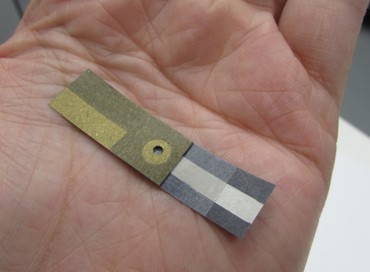
Based on this method of transferring graphite from pencil to paper, a team of Brazilian scientists developed a flexible electrochemical sensor. The device showed exceptional performance among similar sensors in the detection of a biological compound that is very difficult to detect , but also very relevant because it is present in all cells, fulfilling important functions in the metabolism of living beings.
The work was mostly carried out in the Brazilian Nanotechnology National Laboratory (LNNano) of the National Center for Research in Energy and Materials (CNPEM). Some analyses were conducted at the Multiuser Laboratory of Advanced Optical Spectroscopy of the Institute of Chemistry of UNICAMP, the State University of Campinas.

“One of the main contributions of the work was to show the efficiency of electrochemical devices prepared through a process of direct transfer of graphite on paper,” points out Carlos César Bof Bufon, corresponding author of a scientific article about the study, which was recently published in the journal ACS Applied Materials and Interfaces (impact factor = 7,504). Prof. Bufon and Dr. Murilo Santhiago lead the study, and all the authors are researchers of the Laboratory of Functional Devices and Systems at LNNano/CNPEM.
The work began with the aim of manufacturing carbon and/or hybrid electrochemical devices that would efficiently detect biological compounds, says Bufon. A survey of scientific literature showed the team of scientists that various types of carbon electrodes prepared through a wide variety of methods had already been reported, and that they all exchanged electrons very slowly when tested with some model molecules. In other words, for biological molecules they were not efficient electrochemical sensors. The team then chose the simplest carbon electrode preparation method (the pencil drawing) and decided to investigate why the material obtained did not show good results when used as an electrochemical sensor of these molecules. “We then decided to work on this issue by mapping the problems observed in other works and improving the aspects regarding the graphite surface”, states Santhiago.
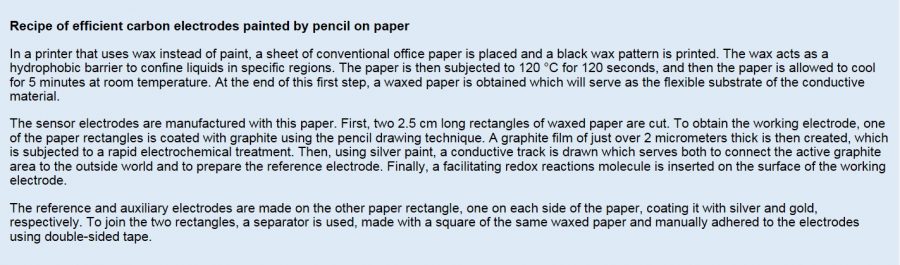
The team was able to verify, for example, that the process of transferring graphite from pencil to paper left micro and nano debris on the surface of the electrode. To remove them, the researchers performed a quick electrochemical treatment on the electrode, which generated oxygen bubbles on the surface, which helped remove the debris and other impurities from the carbon film and push them away. “After this treatment, we found that the sensor response was one of the best for this type of material”, says Santhiago. To explain the exceptional performance, the scientists analyzed the carbon film before and after treatment using different materials characterization techniques and found that the electrochemical treatment generated changes in the structure and chemical composition of the carbon film surface.
After optimizing the paper-based carbon electrode, the team tested its ability to detect biological molecules and chose nicotinamide-adenine dinucleotide (NAD) as the analyte. This molecule is often used in tests, not only because of its relevance (it participates in more than 300 biological processes), but also because of the challenges of its detection. Therefore, the scientists had to make some adjustments in the electrode in order to make it more selective (to only detect NAD) and more sensitive (to detect small amounts of the molecule).

Then, the scientific team inserted on the surface of the electrode a compound that facilitates the transfer of electrons, the dye Meldola`s Blue. In the NAD detection tests, the final version of the sensor showed excellent performance, presenting the best results so far reported regarding the selectivity and speed of detection among paper-based electrodes. “Now, the simplest method is also the most efficient one, the one with the greatest application potential”, concludes Murilo Santhiago.
Following the success of manufacturing high-efficiency pencil-based graphite electrodes, the team continued its research on the subject. The scientists are now studying other applications of the material in electrochemical devices, including wearable ones, for the detection of species of biological and environmental interest. They are simultaneously working on the scalability of the manufacturing process to minimize small variations between devices – not a trivial point when we consider that the method is based on the manual use of a graphite pencil, among other manual processes. “Achieving scalability and high-efficiency materials at the same time is not always an easy task”, says Bufon, citing the example of graphene, which was initially isolated using adhesive tape through a simple and manual process, and with reproducibility problems.
The research was funded by CNPq and FAPESP, and used the infrastructure of the Brazilian National System of Nanotechnology Laboratories (SisNANO) at LNNano.
Until August 14, undergratudate and graduate students who are authors of accepted abstracts can apply for the student awards of the XVI B-MRS Meeting. In addition to the traditional “Bernhard Gross Award” from the Brazilian Materials Research Society, this edition of the event will feature awards from the publisher of the American Chemical Society (ACS Publications), responsible for a number of very prestigious peer-reviewed scientific journals in the materials field.
The Bernhard Gross Award was established by SBPMat in honor of the pioneer of Brazilian materials research Bernhard Gross, and it distinguish the best works (up to 1 oral and 1 poster) from each symposium.
Among the winners of the Bernhard Gross Award, the three best posters and the three best oral presentations will receive the “ACS Publications Best Poster Prize” and the “ACS Publications Best Oral Presentation Prize” respectively. The prizes will consist of US $ 500 for each winning work, in addition to the certificate. The ACS awards will be sponsored by the following ACS’s journals: ACS Applied Materials & Interfaces, ACS Nano, Nano Letters, Chemistry of Materials, JACS and ACS Omega.
In order to compete for the prizes, students have to submit through the website of the event, an extended abstract, elaborated according to the template that is available in the instructions for authors.
The papers will be evaluated considering the quality of the extended abstracts and presentations, as well as the scientific contribution of the research work.
The Student Awards Ceremony will take place at the closing of the XVI B-MRS Meeting, on September 14. Prizes will only be given if the winner students are present at the ceremony.

|
|||||||||||||||||||||||||||||||||||||||||

Since April of this year, the Brazilian Nanotechnology National Laboratory (LNNano) of the National Center for Research in Energy and Materials (CNPEM) is headed by the scientist Adalberto Fazzio, 66, born in the São Paulo state city of Sorocaba.
Adalberto Fazzio has been studying materials through computational tools for over four decades. He pioneered in Brazil the use of ab initio calculations, widely used in the study of materials properties, and made significant contributions toward understanding transition metals, amorphous systems, gold (Au) and silver (Ag) thin films, carbon nanostructures, silicon, topological insulators, and other materials. Fazzio and his research group, known as SAMPA (acronym for “Simulations Applied to Atomic Materials and Properties”), have successfully worked on this at the Institute of Physics of the University of São Paulo (USP) and also with several theoretical and experimental collaborators from Brazil and abroad.
Adalberto Fazzio received his undergraduate (1972) and master’s degree (1975) in Physics at the University of Brasília (UnB) and his doctorate (1978),also in Physics, at USP.
Fazzio became a professor at the Institute of Physics – USP in 1979, shortly after completing his doctorate. In 1985 he became an associate professor at that university and in 1991 he became full professor. He was a visiting researcher at the National Renewable Energy Laboratory (USA) from 1983 to 1984 and at the Fritz-Haber-Institut der Max-Planck-Gesellschaft (Germany) from 1989 to 1990. In May 2015, he retired from USP. He was a visiting Professor at the Brazilian Federal University of ABC (UFABC) in 2016.
Throughout his career, Fazzio has held several management positions, such as president of the Brazilian Society of Physics (SBF) from 2003 to 2007; pro tempore president of UFABC from 2008 to 2010; micro and nanotechnologies general coordinator at the Ministry of Science, Technology and Innovation (MCTI) in 2011; assistant secretary of the Technology, Development and Innovation Secretariat of MCTI from 2011 to 2013, and director of the Institute of Physics – USP from 2014 to 2015.
He has also received other honors, such as the Brazilian National Order of Scientific Merit in 2006 (promoted to the Grand-Cross class in 2010). In 2013 he was elected a fellow of TWAS (The World Academy of Sciences). He is a member of several scientific societies, such as the Brazilian Academy of Sciences and the Academy of Sciences of the State of São Paulo in Brazil, and the American Physical Society, American Chemical Society and Materials Research Society in the United States.
Fazzio is the author of over 270 articles published in indexed scientific journals. His scientific production has about 8,000 citations, according to Google Scholar. He has supervised approximately 40 master’s and doctoral students.
Here is an interview with the scientist.
SBPMat Bulletin: Tell us what led you to become a scientist and in particular to work in the area of Condensed Matter Physics.
Adalberto Fazzio: When I finished my Physics course at the University of Brasilia in 1972, I met Professor José David Mangueira Vianna, who had returned from Switzerland with many projects on Molecular Physics. At that time we were talking about quantum chemistry. He presented a master’s project that was an improvement on semi-empirical models based on the Hartree-Fock method. Due to the low computational capacity of that time, these methods originating from the ZDO (Zero Differential Overlap) approximation were the most widely used to shed light on the electronic properties of molecules. After my master’s degree, I went to the Institute of Physics – USP in the group of Professors Guimarães Ferreira and José Roberto Leite (my doctoral advisor), changing from molecules to solids and from Hartree-Fock to DFT (Density Functional Theory). At that moment I became a Condensed Matter Physicist in a Department of Physics of Materials created by Professor Mário Schemberg. My thesis was about deep level impurities in semiconductors. Bear in mind this was in 1976 and the question was how to treat a crystal that has lost its translational symmetry. Finally, I developed a model, “Molecular Cluster Model for Impurities in Covalent Semiconductors.”
SBPMat Bulletin: What do you believe are your main contributions to the Materials area? We would like to ask you to go beyond listing the results and to briefly describe the contributions you consider as the most relevant. In your response, we ask that you consider all aspects of scientific activity. Feel free to share references to articles and books, if relevant.
Adalberto Fazzio: Whenever we reflect on the main contributions in a given area, we look at the most cited articles, which do not always correspond to the articles that the authors would expect to be the most cited. But I will try to give you a brief description of some of the themes in which I believe I made a contribution that was highlighted. In the study of defects and impurities in semiconductors, I highlight the study of transition metals (TM) in semiconductors. At the time – until 1984 – there was a wealth of experimental data concerning the position of levels of impurities in the gap and the optical excitations of all MT-3ds. And the theoretical calculations based on a medium-field theory did not explain these data. During my post doctoral research at NREL (National Renewable Energy Laboratory) in 1983/84, we developed a model to describe the experimental data. It was a model that coupled the field crystal theory with the DFT theory, which described effects of multiplets from the TM impurities. Several articles were published applying this model. The model is presented in detail in Phys. Rev. B 30, 3430 (84). This work was in collaboration with the researchers Alex Zunger and Marilia Caldas. And those results led to a letter in the Appl. Phys. Lett. (1984) which would be of great interest to experimental physicists, titled “A Universal trend in the binding energies of deep impurities in semiconductors”. A major change occurred in this area in the late 1980s, with the “Large Unit Cell” calculations, DFT method and pseudo potentials. Today known simply as “ab initio methods” or “free parameters”. Regarding this development, I was at the Max Planck Institute in Berlin, working with Matthias Scheffler. Together with my doctoral students (T. Schmidt and P. Venezuela), we were pioneers in the use of this type of methodology in Brazil, widely used until now. After these studies, I started working with amorphous systems. Since we could now work with systems containing many atoms per unit cell, we decided to couple the ab initio calculations using structures generated by Monte Carlo simulations. I highlight two papers: one in a-SiN (PRB, 58, 8323 (1998)) and a-Ge:N (PRL 77, 546 (96)).
At the end of the 1990s, at the Brazilian National Synchrotron Light Laboratory (LNLS), Professor Daniel Ugarte was performing beautiful experiments with HTEM, where he observed the formation of linear chains of atoms in Au and Ag fine films. Our group at USP, in cooperation with Edison Zacarias at UNICAMP, had begun studies to understand the formation of linear chains of Au atoms. Some of the questions were about how these chains broke and how we could explain the great distances that appeared between atoms. This experiment-theory interaction was a very important moment. Several papers were published, one which was widely cited “How do gold nanowire break?” (PRL 87, 196803 (2001)). This work was the cover of PRL and highlighted by the editor of Science. And later we showed how oxygen acts to trap the Au atoms in the wires (PRL 96, 01604 (2006)) and the effects of temperature and quantum effects on wire breakage and stability, important aspects to understand the observations (PRL 100, 0561049 (2008)).
In the same period, our group at USP focused on the study of nanostructures of carbon, silicon, etc. Although we had strong tools for describing electronic, magnetic, optical and mechanical properties, the understanding of these materials lacked the properties of electronic transport. In this context, we developed a computational code based on the Landauer-Büttiker theory. Several PhD students were involved in this code, which is known as TRANSAMPA. And, in my opinion, several important works were carried out to better understand the behavior of electronic transport properties. To exemplify this, we were pioneers in describing the transport in doped graphene tapes (PRL 98,196803 (2007)). I should also mention the collaboration with Professor Alexandre Reilly from IFT (Institute of Theoretical Physics of UNESP) who was then a post-doc, which resulted in a very important improvement of this code, and which allowed to treat materials with the realistic dimensions used in the experiments. In 2008, in a paper titled “Designing Real Nanotube-based Gas Sensor” (PRL 100, 176803), we showed how nanotubes can function as realistic-sized sensors, with defects. Using first-principle calculations, we had systems of micrometric dimensions within our reach.
Currently, my research is more focused on the search for devices formed by 2D materials whose interface is primarily built by van der Waals interactions. For example, like graphene, a new 2D material was isolated from exfoliated black phosphorus, also called phosphorene. We studied the graphene/phosphorene interface (PRL 114, 066803(20015)), showing how a device can be constructed.
Another class of materials I have been working on concerns the well-known topological insulators. A Topological Insulator (TI) is a material that has no states of energy gap “at the edges” and whose “bulk” is insulating! These states are topologically protected and robust against disturbances. In the case of two-dimensional (2D) materials (2D), they are known as insulators that feature Quantum Spin Hall (QSH). The scattering surface state is protected by time reversal (TR) symmetry, leading to an electronic transport without energy dissipation. In 2011, together with the UFU group, we showed how magnetic impurities in topological insulators have their spin texture modified (PRB 84, 245418 (2011)). Recently, in collaboration with Professor Zhang from the Rensseler Polytecnic Institute, we presented a general model for describing the topological/trivial interface. We showed, for example, the Bi2Se3/GaAs interface. There were replicas of the Dirac cone that emerged from the interface interaction including semiconductor states (Nature Comm. 6, 7630(2015)). Phosphorene is a 2D material that has semiconducting properties. In cooperation with the group of Professot Alez Zunger, of the University of Colorado, we studied this material under the action of an electric field and showed that for three or four layers of phosphorene, under the action of the field, it has a topological transition (NanoLett. 15, 1222 (2015)).
Finally, I would like to mention an activity that I am initiating, which is the use of Machine-Learning techniques for material properties. In particular, I have focused on topological insulators. And as I mentioned earlier, specifying the more relevant studies I have left out many others.
As for other types of contributions, together with José Roque I built a very productive group at IF-USP, known as SAMPA (Simulation Applied to Materials – Atomic Properties) where numerous doctors and masters, and several postdocs were cultivated. I should add that all this was possible mainly due to the support of Fapesp, via thematic projects. I was head of the Department of Materials Physics, Director of IFUSP and pro tempore Director of the Federal University of ABC. From a management point of view, I would like to highlight my participation at the Ministry of Science, Technology and Innovation, where I was the Under-Secretary of Setec (Technology and Innovation Secretariat) and SCUP (Secretariat of Research Units). And I am proud to have coordinated the creation of the Brazilian Nanotechnology Initiative, where the SISNANO system is an important arm – a set of laboratories dedicated to technological research and development.
I also wrote two books that have been adopted: “Introduction to Group Theory: applied in molecules and solids”, together with Kazunori Watari and “Quantum Theory of Molecules and Solids”, together with José David Vianna and Sylvio Canuto.
SBPMat Bulletin: You have just taken on the direction of the Brazilian National Nanotechnology Laboratory (LNNano). Please share with the Materials community your plans for LNNano. How do you see the situation of nanoscience and nanotechnology research in Brazil given the recent budget cuts?
Adalberto Fazzio: Two weeks ago I took on the direction of the National Nanotechnology Laboratory (LNNano), one of the four National Laboratories of the National Center for Research in Energy and Materials (CNPEM). This is a laboratory recognized for its excellence, dedicated to the production of knowledge in nanotechnology, moving from basic science to technological innovation.
I was very happy and I hope to continue the work of the researchers who were at the forefront of LNNano and who preceded me, such as Daniel Ugarte, Fernando Galembeck and Marcelo Knobel. This is the laboratory that holds a management bond with MCTIC fully dedicated to nanotechnology. One of its main missions is to service external users through open equipment. An example is the electron microscopy and probes park, which is certainly the best equipped in Latin America. LNNano is the main executor of government policies in the area. We have intense in-house mission-oriented research activity with impact studies. We are currently undertaking minor restructurings to better serve external users and to strengthen ongoing research.
The nanotechnology platform has raised considerable resources in all developed countries of the world. For example, the US government has annually deposited something in the order of US$ 1.8 Bi. Unfortunately, in Brazil we have had difficulties to provide continuity to even much more modest programs. However, the community has responded with great capability to the development of nanotechnology products. Today, for example, anchored in the SISNANO system, we have about 200 companies seeking innovation in the Nano area; and in particular, the performance of LNNano has been outstanding.
What we cannot however, is face budget cuts in science and technology every year. We are in a very delicate moment in our economy, low growth, but it is imperative to preserve the achievements of the last decades in the area of science and technology. The programs in the area of research and technology development must be preserved. This is because when the crisis is over, the country must be prepared to continue growing. Therefore, it is fundamental to continue generating new knowledge, striving for technological innovation and also training qualified human resources. In other words, the economic slowdown should not be accompanied by investment cuts in technology and development research.
SBPMat Bulletin: Please leave a message for the readers who are starting their scientific careers.
Adalberto Fazzio: The greatest wealth in our country is human capital. Brazil has a large young population, young people who are often in the middle of the path in their scientific and technological careers, because they are not able to envision in the future the acknowledgment and respect for a fundamental activity, which is the search for knowledge. Those who desire to pursue a scientific career must persevere and stand firm in their studies.
[Paper: Self-Assembled and One-Step Synthesis of Interconnected 3D Network of Fe3O4/Reduced Graphene Oxide Nanosheets Hybrid for High-Performance Supercapacitor Electrode. Rajesh Kumar, Rajesh K. Singh, Alfredo R. Vaz, Raluca Savu, Stanislav A Moshkalev. ACS APPLIED MATERIALS & INTERFACES. 2017, 9, 8880 – 8890. DOI: 10.1021/acsami.6b14704].
Nanosheets and nanoparticles interconnected for wearable electronics
A team of researchers from the State University of Campinas (Unicamp), in Brazil, and a researcher from the Central University of Himachal Pradesh (CUHP), in India, have developed a flexible and tiny high-performance supercapacitor with a hybrid material made of graphene oxide (GO) nanosheets and iron oxide (Fe3O4) nanoparticles. The work was recently reported in the journal Applied Materials & Interfaces (impact factor 7.145), of the American Chemical Society.
“The main contribution of this work is for the new and really promising research area of flexible electronics”, says PhD Rajesh Kumar, researcher at Unicamp’s Center for Semiconductor Components (CSC) and corresponding author of the article. “Since capacitors are among the main components of electronic devices, these performant and flexible graphene oxide-based microsupercapacitors can be used in the near future as components in wearable and flexible electronic devices (mobile phones, smart watches, health monitoring devices, energy storage devices etc.)”, adds the Indian born researcher.
The genesis of the study goes back to 2015, when Rajesh Kumar, who had been working with graphene microsupercapacitors in other countries, applied for a postdoctoral fellowship to work in the group of Professor Stanislav Moshkalev, director of CSC at Unicamp. “I saw a great opportunity in this group, as their main research line is nanofabrication and nanoelectronics based on nanostructured carbon,” reports Kumar. The Indian PhD obtained a grant from CNPq, the Brazilian federal research agency, as a visiting specialist, to carry out a project in CSC – Unicamp. Initially, he made fine sheets of graphene oxide called “buckypapers”. Then, working in interaction with a group of five other people of CSC – Unicamp, he searched for new strategies to improve the properties of the material.
The CSC- Unicamp team thus faced the challenge of making a hybrid material of graphene and iron oxide with controlled structure using a simple process, and it was successful in do so by simply exposing graphite oxide and ferric chloride (FeCl3) to microwave radiation.

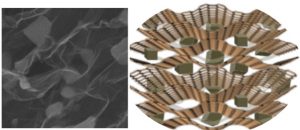
The obtained material presented an interesting morphology: a three-dimensional network in which interconnected graphene nanosheets form “tunnels” that harbor crystalline and multifaceted iron oxide nanoparticles of 50 – 200 nm, strongly attached to the nanosheets, as shown in the figure beside.
The morphology, structure, composition, thermal stability and other properties were analyzed using several techniques available at CSC – Unicamp and at the Indian university.
Subsequently, at Unicamp, the team tested the efficiency of the material to act as electricity storage. The tests proved the high performance of the material as a supercapacitor electrode, and the scientific team concluded that this efficiency was favored by the special morphology of the 3D hybrid material. Particularly, by the faceted nanoparticles strongly attached to the nanosheets, the separation among the nanosheets, the “tunnels” that shelter individual nanoparticles avoiding agglomerations, and the large surface area of the network of nanosheets.
“These microsupercapacitors can and for sure will, in the near future, replace the traditional capacitors in electronic devices,” says Kumar. According to the researcher, their main advantages are high performance, mechanical strength, reduced size and, most important, flexibility – an essential property for wearable electronics.
In addition, the method developed by the Unicamp and CUHP team can become a good alternative to fabricate other hybrid materials based on carbon and metal oxides.
The work was carried out with financial support from CNPq and FAPESP (the São Paulo State research foundation).


Because it increases the speed and selectivity of many industrial processes involving chemical reactions, catalysis has been a major industry ally. However, deep understanding of catalysis still presents challenges to science.
In September, the charming city of Gramado (south of Brazil) will receive an expert on the subject, Hans-Joachim Freund (h index: 97, Google Scholar). Freund is the director of the Fritz-Haber-Institut der Max-Planck-Gesellschaft (Berlin, Germany), a research institute founded in 1911 and currently focused on surface and interface science. In this institution, Freund also heads the Department of Physical Chemistry, where more than 40 researchers are engaged in the study of heterogeneous catalysis, which happens when the phase of the catalyst differs from that of the reactants (for example, in a system of catalytic nanoparticles and gaseous reactants).
Hans-Joachim Freund was born in 1951 in Solingen (Germany). His parents had a small cutlery business (typical activity of this town) and always encouraged him to study. He graduated in Chemistry and Physics from the Universität zu Köln (Cologne, Germany) and, in 1978, obtained his PhD diploma from the same university. He did post-doctoral research at the Department of Physics at the University of Pennsylvania (United States) between 1979 and 1981. In 1983, he obtained his habilitation (degree that gives access to professorship in Germany) at the Universität zu Köln.
At the beginning of his academic career, he was an Associate Professor at the Universität Erlangen-Nürnberg (1983-1987). In 1987, he became a Professor at the Ruhr-Universität Bochum, where he remained until 1996, when he was hired by the Fritz-Haber-Institut der Max-Planck-Gesellschaft as a member and director. Throughout his career, he has been a visiting professor/ researcher at seven institutions in the United States, France, China and Japan.
He has received dozens of awards and distinctions from institutions in Europe and the United States. In particular, the relevance of his work in the field of catalysis was recognized through the Gabor A. Somorjai Award of the American Chemical Society (2007), the Karl-Ziegler-Prize of the German Chemical Association and Karl-Ziegler Foundation (2011), the Blaise Pascal Medal in Materials Sciences of the European Academy of Science (2012), the Gaede-Langmuir Award of the American Vacuum Society (2014), and the Michel Boudart Award of The North American Catalysis Society and the European Federation of Catalysis Societies (2015), among other prizes.
In addition, Prof. Freund holds three honorary doctorates and is a member of Physics, Chemistry, Physical Chemistry and Catalysis societies of Germany, the United States and the United Kingdom, as well as the German National Academy of Sciences Leopoldina, American Academy of Arts and Sciences, European Academy of Sciences and Brazilian Academy of Sciences.
Currently, in addition to his activities at the Fritz-Haber-Institut der Max-Planck-Gesellschaft, he is honorary Professor in Physics and Chemistry at four universities in Germany, and Physics at the University of Birmingham in the United Kingdom.
He has educated more than 120 PhD students and given about 750 invited lectures. He is the author or co-author of more than 770 scientific articles published in indexed journals and some books, and has more than 38,000 citations, according to Google Scholar.
At the XVI B-MRS Meeting, Prof. Freund will talk about heterogeneous catalysis and, particularly, about the results he has obtained so far through the investigation of model systems.
Here follows an interview with Prof. Freund.
SBPMat newsletter: – Please, briefly describe your main contributions to the study of catalysis.
Prof. Freund: – The department is dedicated to the study of model catalysts, applying a large number of techniques and instruments, some of which were newly developed within the department to investigate oxide surfaces and oxide metal interfaces. The group has pioneered the study of oxide supported nanoparticles at the atomic scale with respect to hydrogenation reactions using thin film preparation techniques, and has provided the first micro-calorimetric measurement of molecular adsorption energies as a function of size for model systems. Recently, charge control experiments on supported nano-particles on CO2 activation have provided detailed insight into active sites at the oxide-metal interface. Another direction of research in recent years has dealt with the first structure determination of an amorphous silica film at atomic resolution in UHV as well as in the liquid, which provides the basis for future model studies of heterogenized homogeneous catalysts prepared by bonding metal complexes to amorphous silica.
SBPMat newsletter: – Explain us in few words how the study of heterogeneous catalysis through model systems is carried out. Does it involve theoretical and experimental research? Simulations? Why is this model systems approach important in the case of heterogeneous catalysis?
Prof. Freund: – Heterogeneous catalysts are complex multicomponent materials. Model systems may be designed starting from the most simple systems and increasing step wise complexity in order to identify the role the various components play in determining the chemistry. Using the tools of surface science this may be undertaken at the atomic level.
SBPMat newsletter: – Thinking about the applications, what impact would have, in your opinion, a deeper understanding of heterogeneous catalysis?
Prof. Freund: – The only way to finally be able to design heterogeneous catalysts from scratch is to achieve a deep understanding of the materials and its chemistry under operating conditions at the atomic level.
————-
More information. Click on Hans-Joachim Freund‘s photo and see his bio and the abstract of his plenary lecture at the XVI B-MRS Meeting: http://sbpmat.org.br/
B-MRS (Brazilian Materials Research Society) announces the list of winners of “Young Researcher Award” (YRA), an award from the Society bestowed on postdoctoral fellows, this year in partnership with E-MRS (European Materials Research Society).
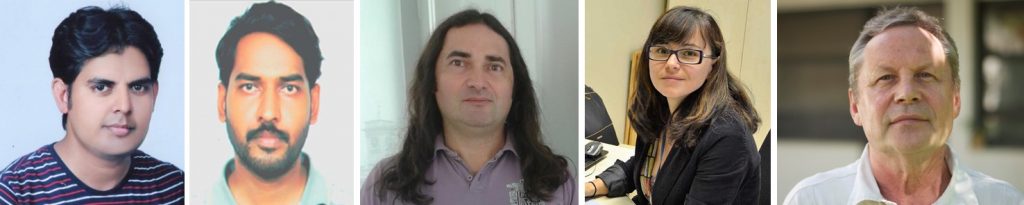
The winners are:

The prize winners will participate in two invitation-only international events: “Forum for the Next Generation of Researchers 2017” (Strasbourg, France, 18-19 November 2017) and “6th World Materials Summit” (Strasbourg, France, 20-21 November 2017). They will have travel expenses covered.
SBPMat is grateful to all the candidates participating and congratulates those selected, wishing them a fruitful participation at the events.
Judging Committee
The winners were selected from 20 postdocs who submitted their applications by March 31 of this year. The selection of the YRA winners considered the eligibility criteria explained in the edict, the evaluation of the abstracts of the work to be presented in the events and the evaluation of the CV.
SBPMat thanks the judging committee, consisting of Professors Christoph Deneke, Iêda Maria Garcia dos Santos and Newton Barbosa.
————–
More about the YRA: http://sbpmat.org.br/en/aberta-a-submissao-de-candidaturas-ao-young-research-award-que-distinguira-pos-docs-da-sbpmat/
Instructions for authors, list of symposia and abstract submission: http://sbpmat.org.br/16encontro/