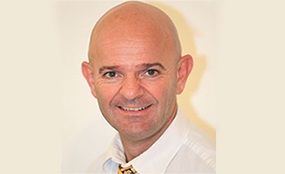
Interview with Prof. Frédéric Guittard (Université Nice Sophia Antipolis, France).

Frédéric Guittard
Frédéric Guittard

Besides repelling water, superhydrophobic materials can be useful in a myriad of applications. Anti-ice, anti-corrosion and anti-bacterial systems, oil/water separation, water purification and desalination, and drug delivery are just a few examples. At the XVI B-MRS Meeting, this wide range of possibilities will be presented in a plenary lecture by Professor Frédéric Guittard.

Together with his research group at the University of Nice Sophia Antipolis (France), Guittard gets inspiration from nature to create hydrophobic and oleophobic surfaces based on conductive polymers and other materials. In these topics, the group has dozens of patents and articles (seven of them, highlighted in the covers of journals of Chemistry, Polymers and Materials since 2014), and is among the few most cited groups in the world.

Frédéric Guittard obtained his doctoral degree in Organic Chemistry in 1994 from the University of Nice Sophia Antipolis, and remained in the institution as a postdoc for about a year. Between 1995 and 1996, he carried out postdoctoral internships at institutions in the cities of Padua (Italy), Preston (United Kingdom) and Prague (Czech Republic). From 1996 to 1997, he worked in the pharmaceutical industry in the Principality of Monaco.

In 1997, he returned to his alma mater, the University of Nice Sophia Antipolis, as an associate professor, becoming a full professor in 2002. From 2004 to 2010, he was the director of the university’s Chemistry Department. Concerning laboratory leadership, Guittard coordinated the Laboratory of Chemistry of Organic and Metallic Materials and, since 2017, leads a new laboratory, the N.I.C.E. ®, whose name refers not only to its location in the city of Nice, but also to the acronym of “Nature Inspires Creativity Engineers”. In addition, Guittard created, and already directs, a professional master’s degree program in Materials and Management at the University of Nice.

In 2012, 2014 and 2016, Guittard was the chairman of the first editions of the international conference on materials inspired by nature, also identified with the trademark N.I.C.E.

Currently, Guittard is a visiting professor at University of California, Riverside (USA).

His scientific production, which has more than 5,200 citations, includes books, more than 230 articles and 35 patents.

Here follows an interview with the scientist

B-MRS Newsletter: – Your research has a biomimetic approach. In what elements of Nature do you take inspiration to develop your hydro and oleophobic materials?

Frédéric Guittard: – From an artichoke. My kids wanted me to grow an artichoke: when I watered it, surprisingly I rediscovered the Lotus effect. The next steps were to adapt, to adopt, to integrate this secret from Nature into technologies or biotechnologies.

B-MRS Newsletter: –  In your opinion, what are your main scientific or technological contributions in the field of hydrophobic and oleophobic materials? Please describe them briefly, and share the paper reference, if possible.

Frédéric Guittard: – There are some interesting applications for superhydrophobic or superoleophobic materials. The main applications concern the anti-adhesion (like anti-graffiti, anti-icing, anti-fingerprints …) or anti-bioadhesion (like anti-fouling or for example to remove bacteria from surfaces in hospitals). The following publications will give more details:

– Bioinspired Superhydrophobic Surfaces: Advances and Applications with Metallic and Inorganic Materials, CRC Press, Francis & Taylor Group, 300 pages, 2017 (F. Guittard, T. Darmanin)

– Superhydrophobic and Superoleophobic Properties in Nature, Materials Today, 2015, 18, 273-285 (T. Darmanin, F. Guittard)

– Recent advances in the potential applications of bioinspired superhydrophobic materials, Journal of Materials Chemistry A, 2014, 2, 16319-16359 (T. Darmanin, F. Guittard)

B-MRS Newsletter: – Your laboratory has an extensive list of industrial partners. Is university-to-industry knowledge transfer common in your laboratory? If so, in what way does it happen? Via patent licensing, spin-offs, joint projects? 

Frédéric Guittard: – The first point is to understand that Industries and Universities are not competitors but can form a chain of value. In this way, the industries have to innovate in order to improve or to create the service. The Universities can help the industries to show amazing solutions with a proof of concept. Even if the cost is important to take into account, the key point at 80% for success is the good human relationship. More often, the solution is near us and the effort is weak! We have to see and to observe in order to find the key parameter and to ask the question where is the best in class from all the phenomena in the world (not only in the same field). It is like the benchmarking approaches.

Patent, licensing, spin-offs or joint projects can be used according to the origin of the idea and its realization.

More information

On XVI B-MRS Meeting website, click on the photo of Frédéric Guittard and see his mini CV and the abstract of his plenary lecture: http://sbpmat.org.br/16controter/home/

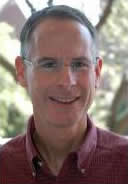
Interview with Prof. Kirk Schanze (UTSA, USA), editor-in-chief of ACS Applied Materials & Interfaces.

Kirk Schanze
Kirk Schanze

In the research group of Professor Kirk Schanze, conjugated polyelectrolytes (CPEs) have been the subject of both fundamental studies and applications. The group has already explore CPEs as fluorescent sensors, in solar cells and as biocidal materials.

On September 13, in Gramado, Kirk Schanze, who is a Professor at the University of Texas at San Antonio (UTSA) and editor-in-chief of ACS Applied Materials & Interfaces, will take some time out of his busy schedule to deliver a plenary lecture on CPEs in the XVI B-MRS Meeting.

Schanze graduated in Chemistry from Florida State University in 1979. Four years later, he earned his Ph.D., also in Chemistry, from the University of North Carolina at Chapel Hill. Soon after, he was appointed a Miller Postdoctoral Fellow at the University of California, Berkeley. In 1986, he joined the University of Florida (UF) as a professor of the Department of Chemistry. There, he chaired the Division of Organic Chemistry, held the Prominski Chair of Chemistry, and founded the Schanze Group, which today continues its research activities at UTSA. In 2016, Schanze left UF to hold the Robert A. Welch Distinguished University Chair in Chemistry at UTSA.

Between 2000 and 2008, Schanze served as senior editor of the prestigious journal Langmuir. Shortly thereafter, he became the first editor-in-chief of ACS Applied Materials & Interfaces, which had just been released.

Prof. Schanze has authored about 300 papers and 20 patents. According to Google Scholar, his scientific production has more than 16,000 citations and his h index is 71. He is fellow of the American Chemical Society (ACS). He was a visiting professor at the Harbin Institute of Technology (China) and the Tokyo Metropolitan University (Japan) in 2011, at the Ecole Normale Supérieure Cachan (France) in 2008 and at the Chemical Research Promotion Center (Taiwan) in 2007. He has received distinctions from the American Chemical Society, National Science Foundation, University of Florida, Japan Society for Promotion of Science, and Japanese Photochemical Association, among other entities.

Here follows an interview with the scientist.

B-MRS newsletter: – In your opinion, what are your main scientific and/ or technological contributions to the field of conjugated polyelectrolytes? Describe them briefly and feel free to share a few references of your papers, patents or books.

Kirk Schanze: – We were among the first groups to study conjugated polyelectrolytes, which are water soluble conjugated polymers.  Following are some of the key contributions from our group to this field:

a) Our lab was the first to report the synthesis of a water soluble, fluorescent poly(phenylene ethynylene) sulfonate (PPE-SO3) and describe the application to fluorescence sensing of ions in water at ultralow concentration.[1]

b) We were the first to report the use of a fluorescent conjugated polyelectrolyte as a sensor for enzyme activity, which is an important biosensing application.[2]

c) Our lab has developed the applications of cationic conjugated polyelectrolytes to sensing phosphatase enzyme activity. These enzymes are important in a number of biologically significant processes. [3,4]

d) Working in collaboration with Prof. David Whitten of the University of New Mexico, we have developed cationic conjugated polyelectrolytes as a novel class of antibacterial agents.[5,6]

References:

[1] C. Tan, M. R. Pinto and K. S. Schanze, “Photophysics, Aggregation and Amplified Quenching of a Water-Soluble poly(Phenylene ethynylene)”, Chem. Commun. 2002, 446-447, 10.1039/B109630C.

[2] M. R. Pinto and K. S. Schanze, “Amplified Fluorescence Sensing of Protease Activity with Conjugated Polyelectrolytes”, Proc. Nat. Acad. Sci. USA, 2004, 101, 7505, 10.1073/pnas.0402280101.

[3] Zhao, X.; Liu, Y.; Schanze, K. S., “A Conjugated Polyelectrolyte Based Fluorescence Sensor for Pyrophosphate”, Chem. Commun. 2007, 2914-2916, 10.1039/b706629e.

[4] Zhao, X. Y.; Schanze, K. S., “Fluorescent Ratiometric Sensing of Pyrophosphate via Induced Aggregation of a Conjugated Polyelectrolyte”, Chem. Commun. 2010, 46, 6075-6077, 10.1039/c0cc01332c.

[5] Ji, E.; Corbitt, T. S.; Parthasarathy, A.; Schanze, K. S.; Whitten, D. G., “Light and Dark-Activated Biocidal Activity of Conjugated Polyelectrolytes”, ACS Appl. Mater. Interfaces 2011, 3, 2820-2829, 10.1021/am200644g.

[6] 299. Huang, Y.; Pappas, H. C.; Zhang, L.; Wang, S.; Cai, R.; Tan, W.; Wang, S.; Whitten, D. G.; Schanze, K. S., “Selective Imaging and Inactivation of Bacteria over Mammalian Cells by Imidazolium Substituted Polythiophene”, Chem. Mater. 2017, 2017, 29, 6389–6395, 10.1021/acs.chemmater.7b01796.

B-MRS Newsletter: – You have been the Editor-in-Chief of ACS Applied Materials & Interfaces since its release, haven´t you? In less than 10 years, the journal hit an impact factor of 7,504. To what factors do you attribute this good result?

Kirk Schanze: – ACS Applied Materials & Interfaces (AMI) publishes papers that come from a currently very active area of materials research, specifically applied materials/interfaces.  There is a large community of scientists and engineers around the globe who are working in this field.  AMI has a global community of editors and editorial board members who represent their regions.  Indeed, the newest editor who has joined our editorial board is Prof. Osvaldo Oliveira Jr. of the University of Sao Paulo!

B-MRS Newsletter: – We often see papers from the Brazilian Materials Community at ACS Applied Materials & Interfaces. Could you share with our readers some numbers about the participation of Brazilian authors in the journal?

Kirk Schanze: – ACS Applied Materials & Interfaces has published more than 100 papers with authors or co-authors from Brazil.  Many of these papers have been highly cited in the field of materials science.   Examples of highly cited papers are:

  • K. Poznyak†, J. Tedim†, L. M. Rodrigues†‡, A. N. Salak†, M. L. Zheludkevich*†, L. F. P. Dick‡ and M. G. S. Ferreira†§ Novel Inorganic Host Layered Double Hydroxides Intercalated with Guest Organic Inhibitors for Anticorrosion Applications, ACS Appl. Mater. Interfaces, 2009, 1 (10), pp 2353–2362, DOI: 10.1021/am900495r (co-author from Rio Grande do Sul Federal University in Porto Alegre)
  • Heberton Wender*†, Adriano F. Feil†, Leonardo B. Diaz†, Camila S. Ribeiro‡, Guilherme J. Machado†, Pedro Migowski§, Daniel E. Weibel‡, Jairton Dupont§, and Sérgio R. Teixeira*† Self-Organized TiO2 Nanotube Arrays: Synthesis by Anodization in an Ionic Liquid and Assessment of Photocatalytic Properties, ACS Appl. Mater. Interfaces, 2011, 3 (4), pp 1359–1365, DOI: 10.1021/am200156d

B-MRS Newsletter: – Please, leave an invitation to your plenary talk.

Kirk Schanze: – Everyone is invited to attend my talk which will highlight our work of conjugated polyelectrolyte as applied in the field of energy- and bio- materials chemistry.

More information

On XVI B-MRS Meeting website, click on the photo of Kirk Schanze and see his mini CV and the abstract of his plenary lecture: http://sbpmat.org.br/16controter/home/
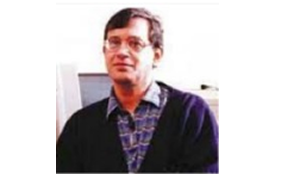
Interview with Kenneth E. Gonsalves (Distinguished Professor at the Indian Institute of Technology Mandi, India).

Kenneth Gonsalves
Kenneth Gonsalves

In the race to develop ever smaller and better performing chips, several technological limitations need to be overcome. Today, the bottlenecks to continue this trend lie mainly in techniques for manufacturing electronic circuits of less than 10 nanometers (nm). Among the techniques being improved to manufacture the next generation of chips, one of the most promising is extreme ultraviolet lithography (EUVL). This technology takes advantage of the very short wavelength of extreme ultraviolet radiation to pattern nanoscale circuits on the chip with the intermediation of the so-called “resists” – thin layers of radiation sensitive material that cover the chip substrate during nanofabrication.

At the XVI B-MRS Meeting, a plenary lecture will discuss an important contribution that the materials field can make to the next generation of chips: the development of suitable resists for the fabrication of electronic circuits of less than 10 nm through EUVL.

The subject will be presented by Kenneth E. Gonsalves, Distinguished Professor of the Indian Institute of Technology Mandi (IIT Mandi), a teaching and research institution created in 2009, where Gonsalves arrived in 2012 as a visiting professor.

Gonsalves obtained his BS in Chemistry from the University of Delhi (India) followed by an MS also in Chemistry from Boston College (USA) and a PhD from the University of Massachusetts at Amherst (USA) with a doctoral thesis on polymer synthesis. Then he performed a postdoctoral specialization on polymer ceramics at MIT (USA). From 2001 to 2014, Gonsalves was the Celanese Acetate Distinguished Professor of Polymer Materials at the University of North Carolina at Charlotte (USA).

Together with his research group at IIT and his collaborators from the United States, India, Brazil, Taiwan and Europe, Gonsalves carries out research and development on resists for advanced nanofabrication techniques, with support of major companies in the electronics segment, and on polymer scaffolds for tissue engineering.

Here follows a brief interview with the researcher.

B-MRS newsletter: – Tell us a little bit about your main scientific/ technological contributions up to the moment.

Kenneth Gonsalves: – My research has centered on polymers with an emphasis on synthesis of novel materials. For the last 20 years I have focused on resist technology for IC (integrated circuit) fab. This is a fascinating area as it has significant technological applications in the development of integrated circuits, solid state devices. In addition it can also be used successfully for cell and tissue engineering of scaffolds for biotechnologies.

B-MRS newsletter: – About the resists you are working on, what skills and expertise are needed to develop them, in your opinion? When this next generation of chips is expected to be available?

Kenneth Gonsalves: – Resist R&D is multifaceted and extremely complex. It requires extensive collaborations between chemists with organic, inorganic and polymer backgrounds. In addition, interaction with physicists and electrical/electronic engineers is essential. The next generation of chips at the 14 nm node are currently available. Sub 7 nm node technology is expected by 2018 onwards.

B-MRS newsletter: – Describe in the simplest and briefest possible way the process of EUVL, without forgetting to mention the role of resists.

Kenneth Gonsalves: – The EUV photons are generated by a plasma or synchrotron source operating at a wavelength of 13.5 nm. Through a series of special mirrors and a mask, the predesigned template for the IC fab is projected onto photosensitive materials such as polymers as well as inorganics. This is all conducted in vacuum, a challenge for the IC fab industry as it is a drastic change from current photolithography fab, which functions under ambient conditions. The extremely short EUV wavelength is a prerequisite for patterning features at the sub 20 nm scale. The challenges for resists that can meet the sub 7 nm node requirements are enormous. A new paradigm is paramount – hybrid resists, that are partially inorganic may provide solutions to patterning at these scales. Inorganic hardmasks are another alternative. The sensitivity of these photoresists has to be enhanced drastically in order to meet the mass volume production of chips. There are several other critical parameters that have to be met for a successful resist system. Again, this requires multidisciplinary, multi institutional, industry collaboration on a global scale.

——————

More information

On XVI B-MRS Meeting website, click on the photo of Kenneth Gonsalves and see his mini CV and the abstract of his plenary lecture: http://sbpmat.org.br/16encontro/home/

B-MRS newsletter. Year 4, issue 7.


The newsletter of the Brazilian Materials Research Society News update from Brazil for the Materials community
English edition. Year 4, issue 7.

XVI B-MRS Meeting (Gramado, Brazil, September 10-14)

Program. The preliminary program is online, see here.

Registration – discounts. Registration is open. All categories have discounts until August 31st. See here the different values for B-MRS members (you can become a member during registration) and for non-members. Attention: The registration fee of the event + B-MRS membership fee is less than the registration fee of the event for non-members.

Student Awards. Contributions of undergraduate or graduate students that are accepted for presentation at the event, may compete for awards from B-MRS and from the American Chemical Society (ACS) publisher. Up to 46 works will be awarded. The top 6 (3 posters and 3 oral) will receive cash prizes. To participate in the selection the author must submit by August 14 an extended abstract supplemented to the conventional abstract. Learn more about student awards, here.

Workshops. On Sunday, September 10, those enrolled in the event will be able to attend, at no extra cost, the tutorial “Young’s Researchers School: How to Produce and Publish High Impact Papers“, which will be taught by Valtencir Zucolotto, Professor of IFSC-USP, and by Dr. Christiane Barranguet, Publishing Director for Materials Science at Elsevier. Additional information and registration, here.

Hosting, transportation and tourism. For hotel options, flight reservations, shuttle service, touristic attractions tours, shows etc, see here.

Plenary lectures. Seven internationally renowned scientists will speak about cutting edge research on subjects such as materials for biomedical and environmental applications; biomimetic surfaces; heterogeneous catalysis; materials and technologies for miniaturized electronic circuits; piezoelectric films and their energy, optics and electronics applications. Learn more by clicking on the speakers’ photos, here.

Memorial lecture. At the opening of the event, SBPMat will pay homage to Professor João Alziro H. da Jornada, from the Federal University of Rio Grande do Sul (UFRGS), who will deliver the traditional Memorial Lecture “Joaquim da Costa Ribeiro”. See here our interview with Prof. Jornada.

Venue. The FAURGS event center is in the center of Gramado, within walking distance of restaurants, shops, tourist attraction spots and hotels.

City of the event. Gramado is a charming tourist town, with a wide and qualified chain of hotels, gastronomic restaurants and shops. This attractive city is also the starting point for a series of sightseeing highlights that explores the area’s natural florid beauty, its history marked by German and Italian immigration, and the theme parks around the city.

Organization. Meet the organizing committee. Here.

Exhibitors. 23 companies have already confirmed their participation in the industrial exhibition. Contact for sponsoring and exhibition issues: Alexandre, comercial@sbpmat.org.br.  

Fapesp collective support. The request was approved. The foundation will finance stipends and transportation of those researchers from São Paulo institutions that participated in the request.
Learn more here.

B-MRS news

B-MRS was present at the 69th annual meeting of the Brazilian Society for the Advancement of Science, represented by Professor Glaura Goulart Silva (UFMG), scientific director of our society. Learn more about Goulart Silva’s impression of the event (“an area of resistance to the dismantling of science and technology in Brazil”) and her account on the round table on carbon nanostructures, in which she participated as a panelist. See here.

Featured paper

In a study carried out at the Brazilian Federal University of Triângulo Mineiro, researchers developed a mortar reinforced with multilayer graphene nanoflakes, with resistance almost 150% higher than that of traditional mortar. The material may be easily prepared by civil construction professionals by adding graphene powder to conventional mortar. The scientific team also studied the mechanisms that provide exceptional resistance to this new material. The research was reported in an Elsevier journal dedicated to research in construction materials. 
See our news story.

Interviews with speakers of the XVI B-MRS Meeting

We interviewed Professor Susan Trolier-McKinstry, who is the current president of the Materials Research Society (MRS) and the Steward S. Flaschen Professor of Ceramic Science and Engineering at Penn State (USA). Trolier-McKinstry is also a Professor of Electrical Engineering and Director of the Nanofabrication facility at that university. The scientist will deliver a plenary lecture in Gramado, on September 12, on piezoelectric films for microelectromechanical systems (MEMS). Based on piezoelectric materials, Trolier-McKinstry and her group have developed MEMS – microscopic machines capable of capturing and processing environmental information, and with this data, carrying out operations involving movement – with applications in the energy and health areas, among others. In the interview, she spoke about science and about the current challenges of materials research societies. See the interview.

——————————————–

We also interviewed Alexander Yarin, Distinguished Professor at the University of Illinois at Chicago (USA). In his plenary lecture in Gramado, on September 11, he will talk about the nanofibers he produces in his laboratory from agro-waste materials, using a process based on the interaction between a jet of polymer solution and a jet of air. These biopolymer nanofibers can be used in health and environmental areas, for example. Find out more about Professor Yarin’s main contributions and about the themes he will address at the XVI SBPMat Meeting.
See the interview.

Reading tips

  • Team led by scientists from Brazil compressed two sheets of graphene and after analyzing the structure by Raman, they reported on the production of a two-dimensional diamond, the “diamondene” (based on paper from Nature Communications). Here.
  • What is glass? An article from UFSCar (Brazil) and Corning (USA) redefines vitreous materials in a paper highlighted by Elsevier´s Journal of Non-Crystalline Solids. Here.
  • Scientists discover how the morphology of the wings of beetles generates the most radiant white with the least use of material (based on paper from Advanced Materials). Here.
  • New journal. Open access journal of Nature Partner Journals (npg) dedicated to flexible electronics, from fundamentals to applications, will launch its first issue in late September. Here.

Events

  • XXXVIII Congresso Brasileiro de Aplicações de Vácuo na Indústria e na Ciência (CBRAVIC) + III Workshop de Tratamento e Modificação de Superfícies (WTMS)
    . São José dos Campos (Brazil). August 21 – 25, 2017.Site.
  • IUMRS-ICAM 2017. Kyoto (Japan). August 27 – Setember 1, 2017. Site.
  • International Conference on Luminescence (ICL-2017).  João Pessoa (Brazil). August 27 – September 1, 2017.
    Site.
  • 23a Reunião da Associação Brasileira de Cristalografia. Vitória, ES (Brazil).  September 5 – 9, 2017. Site.
  • 1ª Escola de Altas Pressões. Porto Alegre, RS (Brazil). September 9-10, 2017. Site.
  • XVI Encontro da SBPMat/ XVI B-MRS Meeting. Gramado, RS (Brazil). September 10 – 14, 2017. Site.
  • 18th International Conference on Internal Friction and Mechanical Spectroscopy (ICIFMS-18). Foz do Iguaçu, PR (Brazil). September 12 – 15 2017. Site.
  • 2ª Conferência Nacional em Materiais Celulares (MatCel’2017) + Conferência Internacional em Dinâmica de Materiais Celulares (DynMatCel’2017). Aveiro (Portugal). September 25 – 27, 2017. 
    Site. 

  • 1st Pan American Congress of Nanotechnology. Fundamentals and Applications to Shape the Future. Guarujá, SP (Brazil). November 7 – 30 2017. Site.


Submit your suggestion for any section of our newsletter: comunicacao@sbpmat.org.br


New journal: npj Flexible Electronics.

Publishing high-quality papers related to flexible electronic systems, including plastic electronics and emerging materials, new device design and fabrication technologies and applications, npj Flexible Electronics is a new online-only, open access journal.

npj Flexible Electronics is part of the Nature Partner Journals series, launched by Springer Nature as part of the Nature Research portfolio of journals, and published in partnership with Nanjing Tech University. The journal is led by Editors-in-Chief Professor Donal Bradley (University of Oxford, United Kingdom) and Professor Huang Wei (Nanjing Tech University, China).

npj Flexible Electronics supports fundamental studies that improve understanding of the science relevant for flexible, stretchable and conformable devices, and research that aims to achieve new technologies that might lead to low-cost flexible devices with advanced functionality.

Visit the journal website to find out more, including the benefits of submitting your next manuscript and the option to sign up for free article e-alerts.