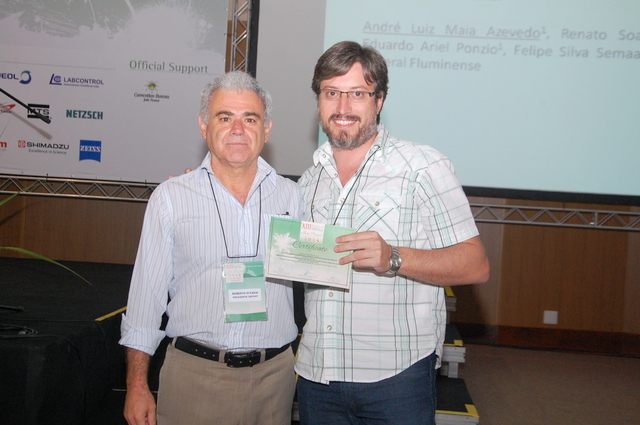
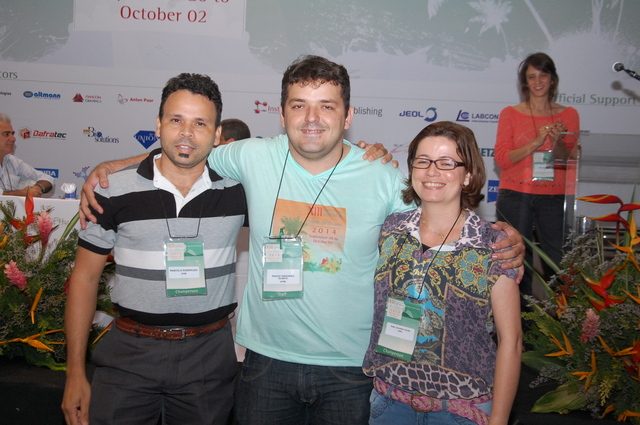
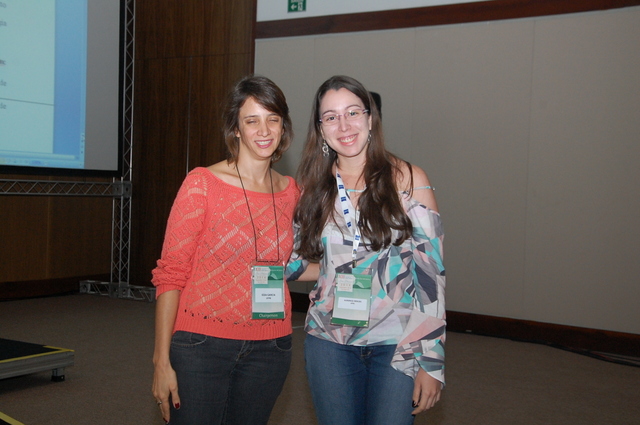
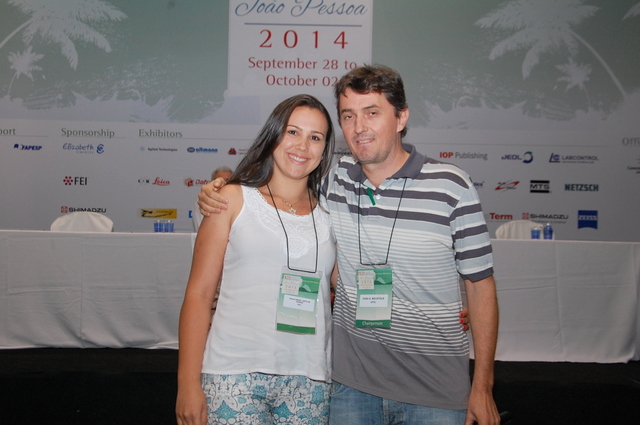
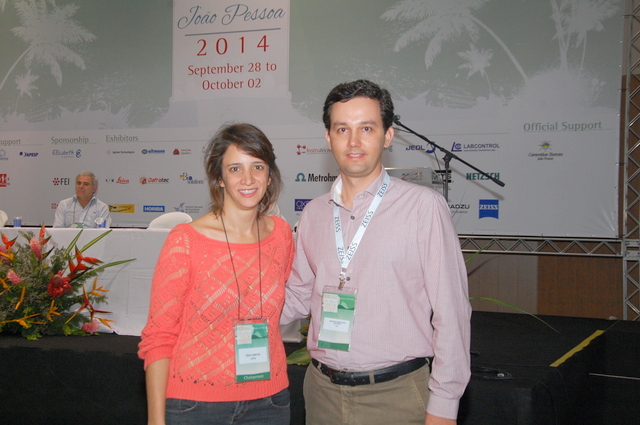
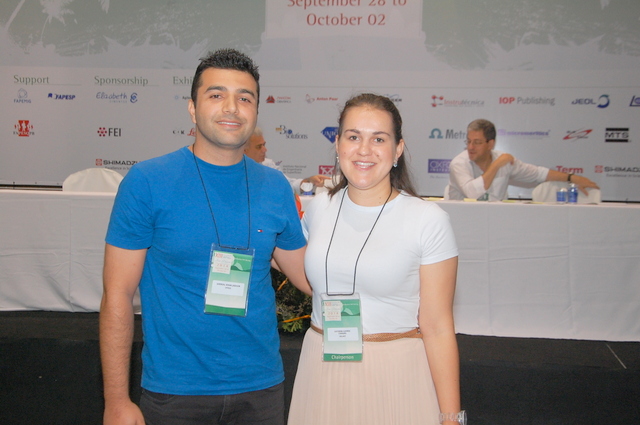
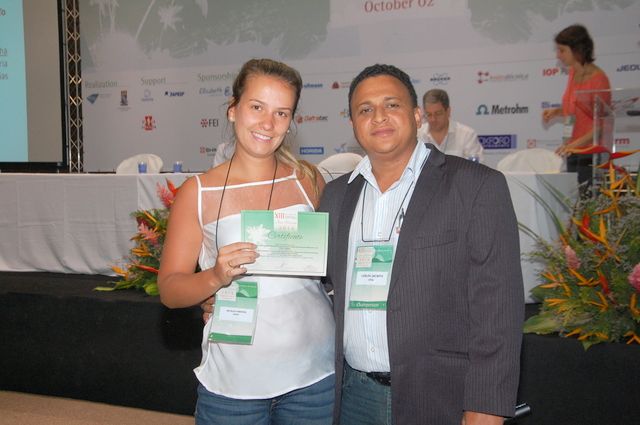
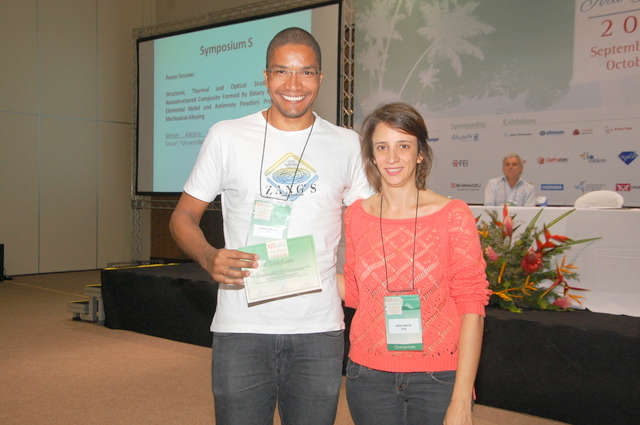
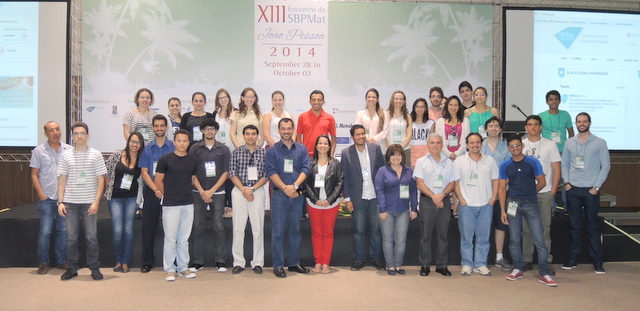
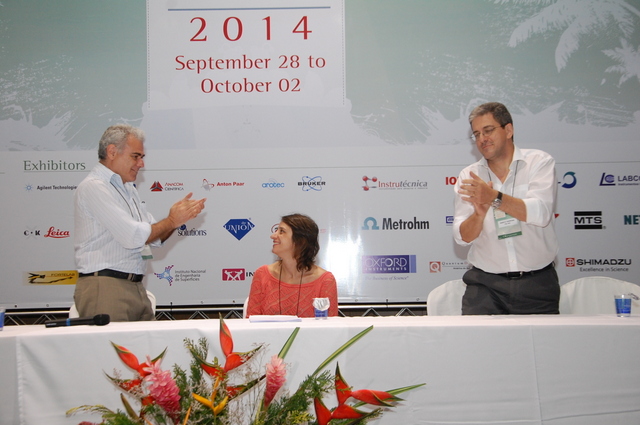
Representing André Azevedo, his advisor Felipe Silva Semaan received the certificate for the best poster of the event from the president of SBPMat.
With a degree in Industrial Pharmacy at the Fluminense Federal University (UFF) and pharmacist at a multinational laboratory, André Luiz Azevedo Maia plunged in the field of Materials through his Masters degree in Chemistry, seeking to lower costs and overcome the limitations of techniques used in drug analysis. “During my career I acquired knowledge in analytical techniques that require higher spending both in the acquisition and in maintenance and operation, e.g., CLAE, GC, AA – flame and graphite furnace,” said the winner of the prize. “That motivated me to start the development of analytical techniques in Electrochemistry” he added.
André´s master thesis, supervised by Professor Felipe Silva Semaan and funded by the Rio de Janeiro State Research Foundation (FAPERJ), the Brazilian Federal Council for Scientific and Technological Development (CNPq) and UFF, was conducted between 2012 and 2014 in the Electrochemistry and Electroanalytical Group at the Institute of Chemistry, UFF, within the line of research in composite materials initiated in the group in 2009.”The use of composite materials aimed to further minimize costs for research (because there would be no need to purchase electrodes for commercial work) and opened up the possibility of developing chemical modifications and adjusting models for specific applications,” said André.
André and the research team then developed graphite and epoxy composites in various compositions, which were characterized by thermal gravimetric analysis (TGA-DTA), atomic force microscopy (AFM), X-ray diffraction (XDR) and cyclic voltammetry. One of these compositions, with 64.4% graphite, showed the best results regarding thermal and chemical stability, mechanical and electrical properties and electrochemical performance. The composite was used as an electrode in an electrochemical cell.
“In this work, the scientific contribution to society is the availability of a material with added value, with a cost about 300 times smaller than the commercial one (the glassy carbon electrode), and able to perform tasks with equivalent quality,” says André, who affirms to be attracted by the scientific activity because it offers the possibility of using tools he acquired at the university to solve problems for society.
The work presented at Symposium P on composites and advanced carbon nanostructures, deserved the Bernhard Gross Award for best poster of the XIII SBPMat Meeting, in addition to the best Poster of Symposium P. Partial results of the same research had already been distinguished in last year´s SBPMat meeting, where André received the Bernhard Gross Award for best work of the symposium on science, engineering and commercialization of industrial, electronic and biomedical devices.
André´s master degree was concluded with this highlight granted by SBPMat, but the work goes on into the group. The researchers are preparing a patent. And the results of André´s study are beeing a basis for the development of composite electrodes modified with metal films, cellulose acetate films and modified chitosan to encapsulate nanoparticles, among other studies.
“The award in this international congress rewards the effort and dedication of everyone involved and leads to further discussion, indicating the feasibility of obtaining the products targeted by the group,” said André.
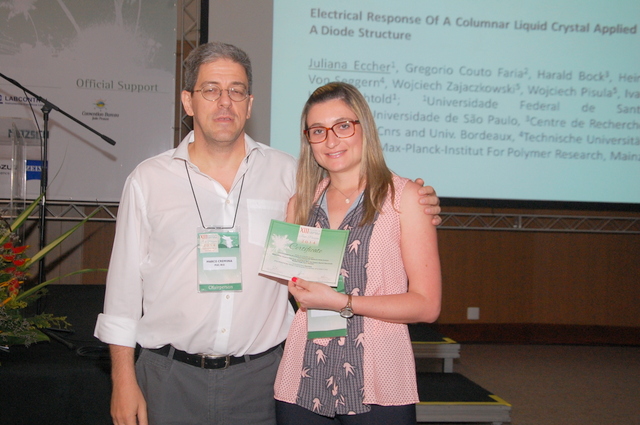
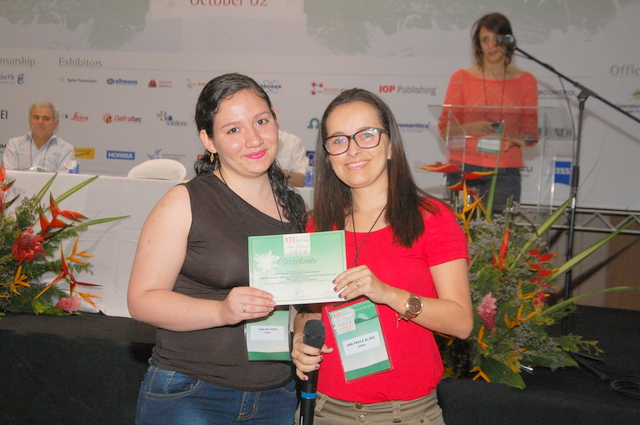
Juliana Eccher received the certificate of best oral presentation from the chairman of the 2015 meeting.
Awarded work: Electrical response of a columnar liquid crystal applied in a diode structure. Juliana Eccher1, Gregorio Couto Faria2, Harald Bock3, Heinz Von Seggern4, Wojciech Zajaczkowski5, Wojciech Pisula5, Ivan H. Bechtold1; 1Universidade Federal de Santa Catarina, 2Universidade de São Paulo, 3Centre de Recherche Paul Pascal, Cnrs and Univ.Bordeaux, 4Technische Universität Darmstadt, 5Max-Planck-Institut For Polymer Research, Mainz.
The Bernhard Gross Award for the best oral presentation of the XIII SBPMat Meeting was given to a pioneer research in Brazil in its theme. “In my opinion, the main significance of awarding this work regards the dissemination of the research involving liquid crystals as organic semiconductors for applications in the field of organic electronics, especially concerning Brazil, since there are only a few groups working towards this research line in the country”, said the newly Ph.D. graduate Juliana Eccher, who presented her paper at the symposium D on materials and organic electronic devices.
Graduated in physics from the Federal University of Santa Catarina (UFSC), Juliana decided to pursue an academic career in the field of experimental physics and chose to obtain her Masters and Ph.D. degrees at UFSC, both in the field of materials, more precisely in the study of liquid crystals . “Research in materials is fascinating because it offers a broad range of study in various fields of knowledge,” said Juliana, who attended the meeting of SBPMat on three occasions. “What attracts me the most is the possibility of new discoveries and the diversity of applications,” she added.
Liquid crystals, materials used in widely marketed LCD screens, have recently been recognized as a promising class of self-organized organic semiconductors with a high electrical mobility. Some of them are called columnar because their molecules, shaped like discs, are piled on top of each other forming stable columns. When the columns are aligned perpendicularly to the substrate, there is homeotropic alignment – an ideal configuration for the application in OLEDs (organic light emitting diodes) and OPVs (organic photovoltaic devices).
Juliana Eccher´s winning work, developed during her Ph.D. in Physics, with the supervision of Professor Ivan Bechtold, studied a thin film of liquid crystal based on perylene-diimide aromatic center and proposed a relation between its electrical properties and its molecular organization. The liquid crystal was investigated within a diode structure. The work was supported by the Brazilian Federal Council for Scientific and Technological Development (CNPq), in particular through INCT/INEO , and by the Brazilian Federal Agency for the Support and Evaluation of Graduate Education (CAPES).
Juliana and the other members of the team could obtain homeotropic alignment in films deposited by spin-coating technique by subjecting them to annealing, resulting in an increase of five orders of magnitude in the electrical mobility and also a significant increase in the electroluminescence intensity of the device.
A Ph.D. research with international collaborations
The work was made possible thanks to several international collaborations. The synthesis of the organic compound was carried out by Dr. Harald Bock of the Centre de Recherche Paul-Pascal, CNRS, in France, collaborator since 2010 of the Laboratory of Organic Optoelectronics and Anisotropic Systems at the Department of Physics, UFSC, which is coordinated by Professor Bechtold. Initially in Brazil, by means of a collaboration with Professor Gregório Faria of the São Carlos Institute of Physics at USP, the team began to investigate the potential of organic material as emitting layer in a diode structure. Furthermore, in 2013, Juliana underwent a research internship in Professor Heinz von Seggern´s group at the Technische Universität Darmstadt, in Germany, where she managed to manufacture the devices and make their electrical characterization. While beeing in Germany, Juliana established a collaboration with Dr. Wojciech Pisula, of the Max-Planck-Institut for Polymer Research,which group conducted analyses by grazing incidence wide angle x-ray scattering (GIWAXS), which were fundamental to investigate the orientation of the columns with respect to the surface. Finally, with the collaboration of Professor Gregório, a theoretical model was developed for the analysis of electrical measurements of current density as a function of the applied voltage.
“The major achievement in my Ph.D. thesis was to show that, depending on the desired application, it is possible to modify and control the orientation of liquid-crystalline domains with respect to the electrodes, which significantly improved the electrical properties of the devices,” said Juliana.
To learn more about this work
– Scientific article published: J. Eccher, G. C. Faria, H. Bock, H. von Seggern, I. H. Bechtold. ACS Appl. Mater. Interfaces 5, 11935-11943 (2013).
– Juliana Eccher´s presentation at Symposium D of the XIII SBPMat Meeting:
The Bernhard Gross Award, granted by the Brazilian MRS (SBPMat) highlights the best works in each symposium of the annual SBPMat meetings (an oral work and a poster per symposium, at most), presented by undergraduate or graduate students. Among the finalists, the best oral work and the best poster of all the meeting are chosen each year. (Know more about Bernhard Gross, one of the pioneers of research on materials in Brazil).
At the closing ceremony of XIII Meeting of SBPMat, in the morning of the 2nd of October 2014, at the Convention Center of João Pessoa (PB), the winners of the 2014 Bernhard Gross Award were announced and award certificates were handed in. The awarded papers this year may be part of a special edition in the open access magazine “IOP Conference Series: Materials Science and Engineering”.
Here is the list of the works distinguished with the 2014 Bernhard Gross Award.
2014 winners
Oral:Electrical Response Of A Columnar Liquid Crystal Applied In A Diode Structure. Juliana Eccher1, Gregorio Couto Faria2, Harald Bock3, Heinz Von Seggern4, Wojciech Zajaczkowski5, Wojciech Pisula5, Ivan H. Bechtold1; 1Universidade Federal de Santa Catarina, 2Universidade de São Paulo, 3Centre de Recherche Paul Pascal, Cnrs and Univ. Bordeaux, 4Technische Universität Darmstadt, 5Max-Planck-Institut For Polymer Research, Mainz
Poster: Sensor Development Exploiting Graphite-Epoxy Composite As Electrode Material. André Luiz Maia Azevedo1, Renato Soares de Oliveira1, Eduardo Ariel Ponzio1, Felipe Silva Semaan1; 1Universidade Federal Fluminense
– Simposium A winners
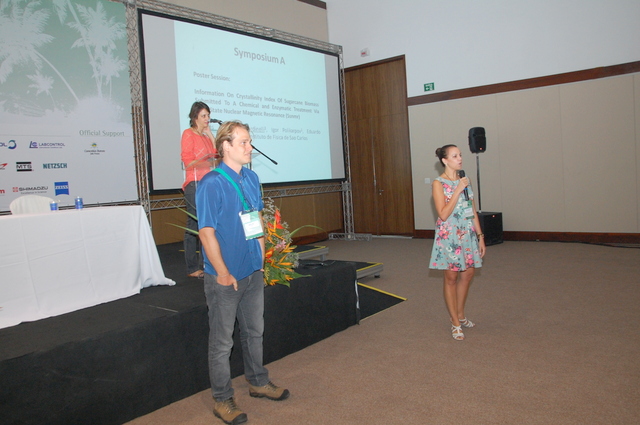
Poster: Information On Crystallinity Index Of Sugarcane Biomass Submitted To A Chemical and Enzymatic Treatment Via Solid-State Nuclear Magnetic Resonance (Ssnmr); Oigres Daniel Bernardinelli1, Igor Polikarpov1, Eduardo Ribeiro de Azevedo1; 1Instituto de Física de Sao Carlos.
– Simposium B winners
Oral: Synthesis Of Potassium Niobates By Microwave Assisted Solvothermal Method; Thiago Marinho Duarte1, Luzia Maria Castro Honório1, Juliana Kelly Dionízio de Souza1, Arnayra Sonayra Brito Silva1, Elson Longo2, Ricardo Luis Tranquilin3, Iêda Maria Garcia Santos4, Antônio Gouveia de Souza1, Ary da Silva Maia1; 1Universidade Federal da Paraiba, 2Universidade Estadual Paulista, Campus de Araraquara, 3Universidade Federal de São Carlos – Campus: São Carlos,4Universidade Federal da Paraíba.
– Simposium C winners
Poster: Magnetic Particles As Affinity Matrix For Purification Of Antithrombin; Aurenice Arruda Dutra Das Merces1, Jackeline da Costa Maciel2, Luiz Bezerra de Carvalho Júnior1; 1Universidade Federal de Pernambuco, 2Universidade Federal de Roraima.
– Simposium D winners
Oral: Electrical Response Of A Columnar Liquid Crystal Applied In A Diode Structure. Juliana Eccher1, Gregorio Couto Faria2, Harald Bock3, Heinz Von Seggern4, Wojciech Zajaczkowski5, Wojciech Pisula5, Ivan H. Bechtold1; 1Universidade Federal de Santa Catarina, 2Universidade de São Paulo, 3Centre de Recherche Paul Pascal, Cnrs and Univ. Bordeaux, 4Technische Universität Darmstadt, 5Max-Planck-Institut For Polymer Research, Mainz.
Poster: How Surface Interactions Freeze Polymer Molecules At Room Temperature: A Single Molecule Approach; Francineide Lopes de Araújo1, Gustavo Targino Valente1, Roberto Mendonça Faria1, Francisco Eduardo Gontijo Guimarães1; 1São Carlos Institute Of Physics, University Of São Paulo.
– Simposia E/G/P winners
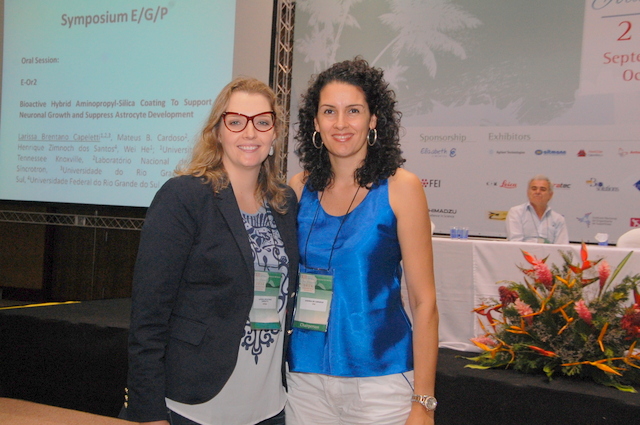
Oral: Bioactive Hybrid Aminopropyl-Silica Coating To Support Neuronal Growth and Suppress Astrocyte Development; Larissa Brentano Capeletti1,2,3, Mateus B. Cardoso2, João Henrique Zimnoch dos Santos4, Wei He1; 1University Of Tennessee Knoxville, 2Laboratório Nacional de Luz Síncrotron, 3Universidade do Rio Grande do Sul, 4Universidade Federal do Rio Grande do Sul.
– Simposium F winners
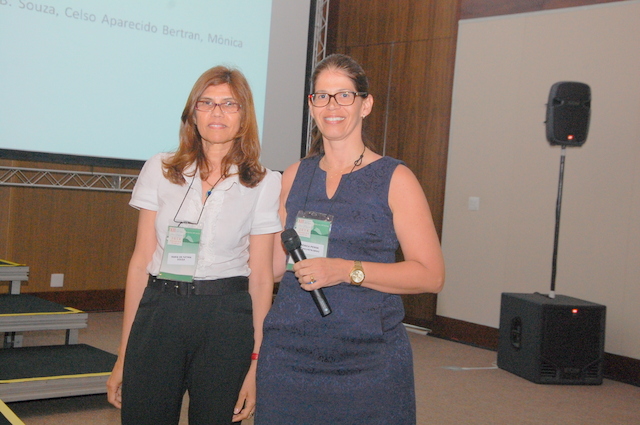
Oral: Evaluationof polymeric coatings on their efficiency ofinhibiting theformationofinorganic scale. Maria de Fátima B. Souza, Celso Aparecido Bertran, Mônica de Oliveira Penna.
– Simposium G winners
Poster: Theoretical Investigation Of Optical and Structural Properties Of Ba-Doped Zno Material; Luis Henrique da Silveira Lacerda1, Sergio Ricardo de Lazaro1, Renan Augusto Ribeiro1; 1Universidade Estadual de Ponta Grossa.
– Simposium H winners
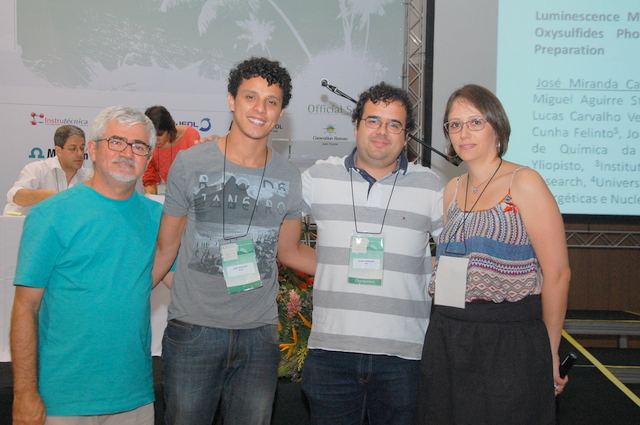
Oral: Luminescence Mechanism Of Titanium Doped Rare Earth Oxysulfides Phosphors Obtained By Rapid Microwave Preparation; José Miranda Carvalho1, Cássio Cardoso Santos Pedroso1, Miguel Aguirre Stock Grein Barbará1, Pawel Gluchowski2,3, Lucas Carvalho Veloso Rodrigues4, Maria Cláudia França da Cunha Felinto5, Jorma Hölsä2, Hermi Felinto Brito4; 1Instituto de Química da Usp, 2University Of Turku / Turun Yliopisto, 3Institute Of Low Temperature and Structure Research, 4Universidade de São Paulo, 5Instituto de Pesquisas Energéticas e Nucleares.
Poster: Amino Funcionalization Of Y2O3:eu(Iii) Red Nanophosphor Monitored By Luminescence Spectroscopy and Transmission Electron Microscopy; André Lucas Costa1, João Paulo Gelamos1, Gabriel Mamoru Marques Shinohara2, Sergio Antonio Marques Lima1, Ana Maria Pires1; 1Fct-Unesp Campus de Presidente Prudente, 2Instituto de Química da Unesp.
– Simposium K winners
Oral: Automatic Reconstruction Of Austenite Grain Structure In Martensitic Eurofer-97 Steel From Electron Backscatter Diffraction Data; Verona Biancardi Oliveira1, Hugo Ricardo Zschommler Sandim1; 1Escola de Engenharia de Lorena – Universidade de São Paulo.
Poster: A Dilatometric Study Of The Continuous Heating Transformations In Maraging 300 Steel; Adriano Gonçalves dos Reis1, Danieli Aparecida Pereira Reis2, Antonio Jorge Abdalla3, Jorge Otubo1, Hugo Ricardo Zschommler Sandim4; 1Instituto Tecnológico de Aeronáutica, 2Universidade Federal de São Paulo, 3Instituto de Estudos Avançados, 4Escola de Engenharia Química de Lorena – Universidade de São Paulo.
– Simposium L winners
Oral: Photoelectrochemical Study Of Ta3N5 Nanotubes For Water Splitting; Sherdil Khan1, Marcos Jose Leite Santos1, Jairton Dupont1, Sérgio Ribeiro Teixeira1; 1Universidade Federal do Rio Grande do Sul.
Poster: Hydrogen Production From Rice Husk Gray Obtained In The Pyrolysis Process; Suelen Rodrigues Almeida1, Carolina Elicker1, Bruno Muller Vieira1, José Ramon Jurado Egea2, Pedro José Sanches Filho3, Mário Lúcio Moreira1, Sergio da Silva Cava1, Cristiane Raubach Ratmann1;1Universidade Federal de Pelotas, 2Consejo Superior de Investigaciones Científicas, 3Instituto Federal de Educação, Ciência e Tecnologia Sul.
– Simposium M winners
Oral: Graphene Nanoribbons Decorated With Magnetic Fe3O4 Nanoparticles For Dna Sensing; Blanca Azucena Gómez Rodríguez1, Manuel Perez Caro2, Deborah Zanforlin3, Ana Laura Elías4, José Luiz Lima1,5, Antonio Gomes Souza Filho6, Mauricio Terrones4, José Albino Aguiar1; 1Universidade Federal de Pernambuco, 2Texas State University, 3Universidade Federal de Pernanbuco, 4Penn State University, 5Departamento de Bioquímica – Ufpe, 6Universidade Federal do Ceará.
Poster: Adjusting Supramolecular Electrostatic Interactions To Produce Mucoadhesive Nanocarriers For Protein Delivery; Leonardo Miziara Barboza Ferreira1, Natália Noronha Ferreira, Charlene Priscila Kiill, Jovan Duran Alonso, Maria Palmira Daflon Gremião; 1Faculdade de Ciências Farmacêuticas-Unesp.
– Simposium N winners
Poster: Preparation and Characterization Of The Lbl Films Based Nanoparticle Graphene Oxide Interacting With 3-N-Propylpirydinium Silsesquixane Chloride; Rodolfo Bonoto Estevam, Rodolfo Thiago Ferreira1, Alan Ben-Hur Bischof, Fábio Santana dos Santos, Cleverson Siqueira Santos, Sérgio Toshio Fujiwara, Karen Wohnrath, Jarem Garcia, Christiana Andrade Pessoa; 1Universidade Estadual de Ponta Grossa.
– Simposium O winners
Poster: Layered Materials As Nanocarriers To Bioactive Molecules; Caroline Silva de Matos, Michele Aparecida Rocha1, Christine Taviot Gueho2, Fabrice Leroux2, Vera Regina Leopoldo Constantino1; 1Instituto de Química da Universidade de São Paulo, 2Institut de Chimie de Clermont-Ferrand.
– Simposium P winners
Poster: Sensor Development Exploiting Graphite-Epoxy Composite As Electrode Material. André Luiz Maia Azevedo1, Renato Soares de Oliveira1, Eduardo Ariel Ponzio1, Felipe Silva Semaan1; 1Universidade Federal Fluminense.
– Simposium S winners
Poster: Structural, Thermal and Optical Studies Of A Nanostructured Composite Formed By Binary Mixtures Of Elemental Nickel and Antimony Powders Produced By Mechanical Alloying; Gleison Adriano da Silva1, Sérgio Michielon de Souza1; 1Universidade Federal do Amazonas.
The XIII SBPMat Meeting was the context chosen for the launch of a publication on the current overview of materials research in Brazil, prepared by the IOP (Institute of Physics) Publishing for SBPMat. The report was distributed to all participants who picked up their material at the meeting – over 1,600. Furthermore, the IOP stand at the exhibitors´ area distributed the document throughout the event. Also, SBPMat is working on sending the publication to university libraries, funding agencies and other entities in Brazil and overseas. The digital version of the document is available on the web.
UK physicists Susan Curtis and Michael Blanks, who work as reporters and editors in IOP magazines, visited about 20 Brazilian institutions to prepare the report. The duo interviewed more than 50 scientists, including researchers working in the field of materials, leaders of the Brazilian scientific policy and coordinators from laboratories, research centers, projects and institutes. A highlight was given to interviews with two important foreign scientists in the field, who spoke about the Brazilian overview and other topics: the 2013 presidents of the Materials Research Societies in Europe (E-MRS) and the United States (MRS), Portuguese Rodrigo Martins and Argentinian-born Orlando Auciello, respectively.
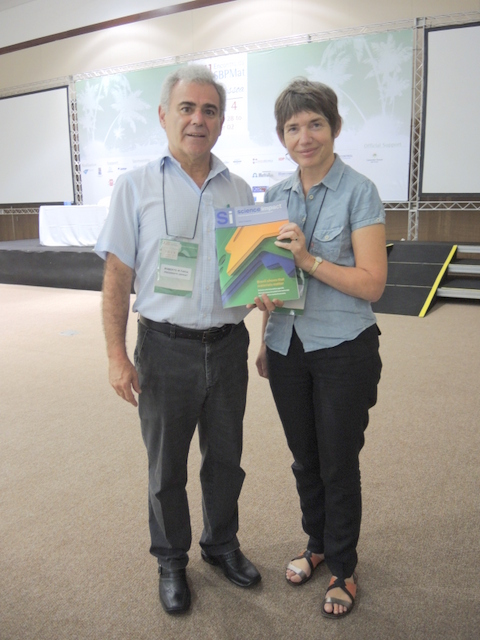
The result was a magazine format document, titled “Science impact. A special report on materials science in Brazil”, composed by 14 reports and interviews, along with the introduction signed by the SBPMat president, Professor Roberto Mendonça Faria.
Brazil shows that materials matter
The report shows a very positive evolution in materials research carried out in Brazil since the beginning of this century, resulting from increasing public investments and strategies from federal and state entities to support postgraduate education, research and innovation, among other reasons.
In its 42 pages, the report discusses recent results of research conducted in Brazil on topics such as carbon nanomaterials, materials with applications in health, research aimed at improving the performance of materials used in various industries, materials for more efficient and cheaper optoelectronic and photonic devices and systems, natural materials optimized by research, and materials to produce and store solar energy.
In addition, Curtis and Blank mapped the open laboratories in Brazil in the field of materials, which share their equipment to users in academia and industry from the country and abroad. They also reported, throughout the document, numerous cases of transfer of knowledge and technology from the university to the industry through the creation of spinoff companies and through projects with large companies such as Camargo Correa, Embraco, Petrobras and Vale. Interesting pieces of information on the history of Materials Science in Brazil complement the publication.
About the duo of physicist-journalists
Michael Blanks is news editor at IOP´s Physics World magazine. During his graduation in physics at Loughborough University he spent a year at Max Planck Institute for Solid State Research in Stuttgart (Germany). He began working at IOP in 2007, after finishing his PhD in experimental condensed matter physics.
Susan Curtis has nearly two decades of experience in publishing and editing science magazines and websites at IOP. She graduated in physics from the University of Surrey and has been a researcher at the company BP.
“I want you to realize the importance of your work to the development of our country,” said the president of SBPMat, Professor Roberto Mendonça Faria (IFSC – USP), to about 30 undergraduate and graduate students present at the João Pessoa Convention Center to attend the first meeting of the SBPMat University Chapters Program (UCs). Held on the afternoon of September 29, 2014, the meeting was attended by representatives of already created UCs and individuals interested in being part of the program.
The UC program’s main objective is to bring together students working in the area of Materials in organized teams formally linked to SBPMat, and to support these groups to perform activities complementary to their academic education. Launched in early 2014, the program has already started drawing the map aimed at connecting groups of different and distant regions of Brazil – the 5th largest country in the world, a detail worth remembering. Up to the time of the event, four chapters had been established in the states of Minas Gerais, Piauí and São Paulo.
In charge of opening the meeting, Professor Faria said that Brazil is a country rich in raw materials, but cannot add much knowledge onto it. “However, it is the economic, social and intellectual value that raises the society’s standard of living,” he said, further noting the great impact that the area of materials, in particular, can have on the development of a nation. Finally, the president of SBPMat said that by acting in university chapters, the youth will feel more active and participatory, not only in SBPMat but in the Brazilian society as a whole.
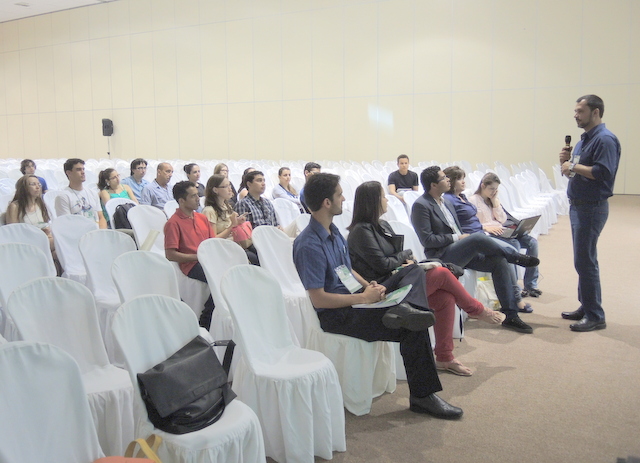
Rodrigo Bianchi, in charge of the program, chaired the meeting.
Then, Professor Rodrigo Bianchi (UFOP), scientific director at SBPMat in charge of the UC Program, provided some examples of activities that could be undertaken by chapters: a course in scientific writing for students of Materials, a lecture by a scientist of international repute in a Brazilian university, an trainnee program with a company, visits to other program units, exchanges with members of UCs from other countries, symposia to promote scientific collaborations among the UCs … among many other initiatives.
Bianchi also commented with those present some interactions initiated with the university chapters program from materials research societies in Mexico, where the program is still in its infancy, like in Brazil, and the United States (MRS), which, 15 years after the creation of the program, has more than 80 chapters. “Several former members of university chapters are now leaders in the field of materials in the United States”, said the coordinator.
The Brazilian chapters
In the second part of the meeting, each of the SBPMat UCs was presented by the president or by a representative. Larissa Arruda, secretary of the Biomaterials UC, which brings together postgraduate students in materials from UNESP – Bauru and from the School of Dentistry at USP, both in São Paulo State, presented a very active group, which has held monthly meetings since its creation in April this year.
President of the Ouro Preto UC, Minas Gerais State, Mariane Murase highlighted the multidisciplinary composition of her group, composed of undergraduate and postgraduate students in Physics, Chemistry and Engineering. “I see the program as an opportunity to grow personally and professionally and to interact with society,” said Mariane, who expressed interest in undertaking scientific dissemination actions in schools.
Another town in Minas Gerais, Juiz de Fora, already has its SBPMat UC, chaired by Jefferson Martins. The group is interested in conducting lectures, seminars and workshops at the university. Jefferson believes that the experience of UC will mature its members and allow them to better understand how processes work within institutions.
Coming from the city of Teresina (Piauí State), Layane de Almeida said the UC she chairs, called UNICHAPI, has already held its first meeting and has a website under construction. Layane sees in the UC a chance to strengthen relations between industry and the university – a mission she considers crucial in the region she lives. Among the strengths of the program, she emphasized the autonomy students gain to undertake activities upon receiving funds directly from SBPMat.
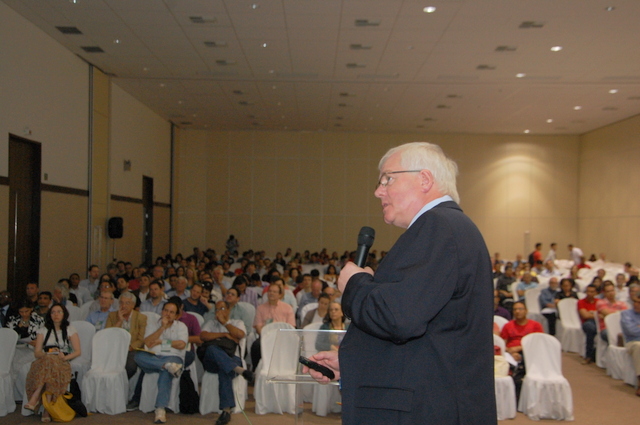
The scene repeated itself daily while the event lasted: around 8.30 a.m. and 2 p.m., under the strong João Pessoa sun, lines of hundreds of participants entered the convention center and settled at the refrigerated plenary room. There, scientists with outstanding careers, attested by their H indexes of values ranging from 40 and 73, coming from England, France, Germany, Italy, Portugal and United States, shared their knowledge about matters on which they are, without a shadow of a doubt, qualified specialists.
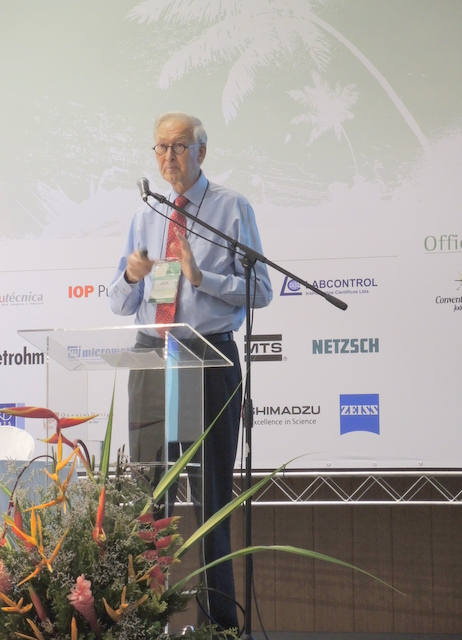
In the event’s final plenary lecture, Robert Chang, professor at the first department of materials science in the world, at Northwestern University, resumed two subjects that had been explained by Professor Arana Varela in the memorial lecture, and which permeated almost every plenary. The first one is the essential role that materials field and, in particular, nanotechnology play in meeting, in a sustainable way, the needs and demands of humanity in healthcare, food, transportation, security and communication. The second subject is the need for collaboration to face this challenge of the 21st century.
In this context Chang, who was president of the American Materials Research Society (MRS) and founded in 1991 the International Union of Materials Research Societies (IUMRS), called upon the young Brazilians [see video below] to be part of a global network released in 2012, which promotes the interaction of young researchers in the field around these global challenges through a biennial conference and virtual platforms.
However, Chang said, the scientific collaboration among physicists, chemists, engineers, mathematicians, biologists and other researchers to develop the necessary technologies is insufficient. It is also necessary, he added, to rely on the collective, global effort from governments, companies, communities, families and individuals to deploy these technologies on peoples’ daily lives. “That requires education”, he said. For the last 20 years, the scientist has conducted the Materials World Modules Programme, which developed interactive educational material about Materials and Nanotechnology for middle and high-school students.
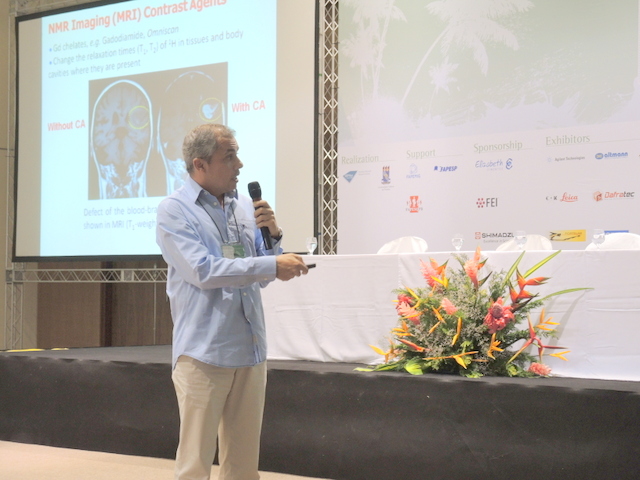
Portuguese professor Luís Carlos, from the University of Aveiro, brought to XIII SBPMat Meeting many examples about the applications of nanotechnology in the healthcare field that are making a difference, or may make a difference in the short-term.
Being an expert in luminescent materials, which emit light not derived from heat, the scientist showed in his plenary lecture that these materials are already of great use in medical diagnosis. Luminescent organic complexes, for example, are marketed as contrast agents for magnetic resonance imaging, and as markers for fluoroimmunoassays (used in pre- and neonatal screening and detection of proteins, viruses, antibodies, drug residues etc.).
Besides, Luís Carlos said, luminescent nanoparticles (quantum dots and nanocrystals with lanthanide ions) emerge in diagnostic techniques and also in treatments, such as the hyperthermia process. This consists in the exposition of biological tissues, usually cancerous cells, at temperatures above 45°C, causing their deaths, with minimum collateral lesions to surrounding normal tissues. With proper temperature monitoring and control, the technique can soon become popular.
For the last few years, there have been efforts to develop nanothermometers that measure intracellular temperature to service this and other applications, not only regarding Nanomedicine, but also in fields such as Microelectronics, Photonics and Microfluidics. A successful example, presented by Luís Carlos at the plenary, is the development of a nanometric platform composed by nanorods, which work as thermometers, with gold nanoparticles on its surface, which function as heaters. This is a platform that, in contrast to its small size, can bring great benefits to the improvement of the technique of hyperthermia and the study of the processes of heat transfer at the nanoscale.
LEDs and other gallium nitride devices: savings of 25% in the global electricity consumption
Sir Colin Humphreys
When the Nobel Prize in Physics was announced for three Japanese scientists whose works were essential for the development of LED white light bulbs, those who had participated in XIII SBPMat Meeting certainly remembered the plenary lecture by Sir Colin Humphreys from University of Cambridge. The material chosen by the laureates when they decided to face the challenge of creating the blue LED that would allow the white light emitting LED was gallium nitride, which was also the object of Sir Colin’s lecture.
Professor Humphreys is an expert in this material. He created and directs a research center in Cambridge devoted to gallium nitride, and he also founded two spinoff companies to commercially exploit the technology developed by his research group and manufacture LEDs grown on relatively large silicon wafers, of about 15 cm, for low cost lighting. In 2012, the spinoffs were purchased by Plessey, a manufacturer of products based on semiconductor materials with over 50 years in the market. Now these LEDs are produced by Plessey in the United Kingdom.
The gallium nitride LED bulb currently offers one of the longest shelf lives in the market – 100,000 hours of use, equivalent to 69 years without switching the bulb, against 1,000 hours of life of the incandescent light bulb and 10,000 of the fluorescent. These LEDs also provide high energetic efficiency, ranging from 100 to 200 lumens (amount of light emitted in a second) per watt of power consumed.
At the plenary lecture, Sir Colin showed that the widespread use of LEDs in lighting would result in savings of about 15% in the total electricity consumed on the planet, and thus in a substantial decrease in emissions of carbon dioxide. In fact, lighting is one of the few segments where devices with high-energy efficiency are not yet universal.
More energy can be saved, Professor Humphreys said, by replacing silicon by gallium nitride in various electronic devices. In total, Humphreys concluded, up to 25% of all electricity used in the world today could be saved, reason why, added to the other applications of gallium nitride in the healthcare field, it was enough for the British scientist to state that this manmade material is one of the most important in the world.
Organic semiconductors: OLEDs and solar cells in the spotlight
Karl Leo
Just like it happens with LEDs, the OLEDs, which are manufactured with organic materials justifying the “O” in the acronym, directly convert electricity into light and are, therefore, devices with high potential efficiency, which has been improved every year. Having each one particular advantages, LEDs and OLEDs already compete in certain markets, such as the one of displays and, in a more incipient manner in the case of organics, in the lighting market.
Along with organic solar cells, OLEDs were the focus of Karl Leo’s plenary lecture. He is a professor at the German TU Dresden and at the Saudi Arabian KAUST universities, and wrote over 550 papers with 23,000 references and 50 patent families. He is also founder of 8 spinoff companies, such as Heliatek and Novaled, which manufacture organic solar cells and OLEDs, respectively.
Professor Leo showed an important quantity of results achieved by his research groups, regarding the improvement of organic semiconductor devices. Along with his collaborators, Karl Leo has developed an extensive work about doping organic semiconductors in the transport layers of OLEDs and solar cells to increase significantly their electrical conductivity. This work resulted, for example, in obtaining white light-emitting OLEDs with energetic efficiency greater than those of fluorescent tubes.
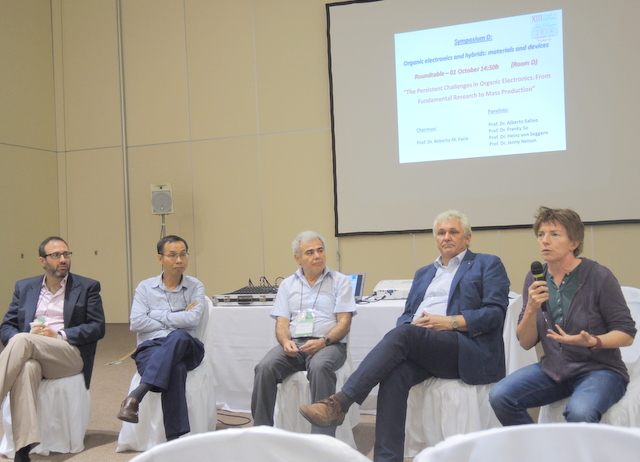
From the left, A. Salleo, F. So, R. Faria, H. von Seggern and J. Nelson.
Karl Leo was not the only internationally renowned scientist in João Pessoa in the field of organic semiconductors. On Wednesday afternoon, a roundtable organized by Symposium D gathered four of these specialists: Alberto Salleo (Stanford University), Franky So (University of Florida), Heinz von Seggern (TU Darmstadt) and Jenny Nelson (Imperial College London). Moderated by a prominent Brazilian scientist of the field, Roberto Mendonça Faria, professor at the São Carlos Institute of Physics at University of São Paulo and SBPMat president, the session gathered dozens of participants of the meeting, of various ages, that actively participated at the debate.
The discussion was around the challenges of organic electronics, from basic research to mass production (or individual production, as pointed out by a young man of the public drawing attention to the 3D printing techniques). Various subjects of the scientific, industrial and social fields were addressed bythe panelists based on the audience’s questions. “Fortunately, there are challenges for Materials Science. Unfortunately, there are challenges for mass production,” Professor Faria summed up, resuming, somehow, one of the first lines of the round table, in which Professor Jenny Nelson lamented that the scientific community celebrated a lot more the development of a device that works than the understanding of why a particular device did not work.
Alberto Salleo
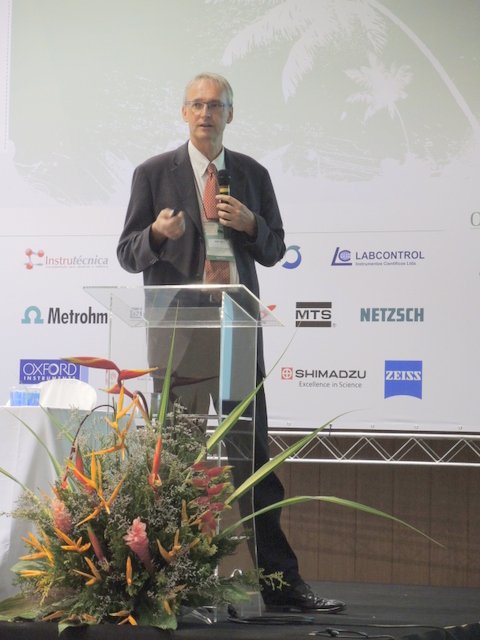
Alberto Salleo, creator of a group in Stanford that studies the relation between structure and properties on polymeric semiconductors to better understand the charge generation and transport, also delivered a plenary lecture at the event. In the lecture, Salleo cast doubt on the universality of a widespread assumption that links a high degree of crystallinity (or order) in the microstructure of these polymers to a higher charge mobility, or better performance of the devices. The scientist showed that the disorder is good for organic solar cells and cited examples of almost amorphous semiconducting polymers having similar performance to others much ordered.
Professor Salleo presented a model developed by his group to show how the charge transport in organic semiconductors works, since they are materials with heterogeneous microstructures, where disordered and ordered aggregates coexist with each other and with long polymer chains. In order to have high charge mobility, Salleo revealed, the important thing is for the aggregates to connect among themselves, which happens through the polymeric “spaghetti”.
Order, but without periodicity
Jean-Marie Dubois
The quasicrystals are far from the disorder, but also outside the traditional crystalline order. These materials were the general theme of the plenary of French researcher Jean-Marie Dubois, from Institut Jean Lamour, whose experience in this field was recognized by the scientific community through the creation of the “Jean-Marie Dubois International Award”, given every three years to research works related to quasicrystals.
First, Dubois presented an introduction to quasicrystals, materials in which the atoms are grouped into unit cells in patterns which are ordered (which may be determined by algorithms) but not periodic (never repeat themselves). Beautiful scientific and artistic images intermixed in Dubois’ presentation allowed the audience to view this aperiodic order.
The lecturer also paid homage to Dan Shechtman, who discovered quasicrystals in 1982 and, after many fights and resistance in the scientific community, eventually won the Nobel Prize in Chemistry in 2011 and generated a big shift in the vision of ordered condensed matter. Today, quasicrystalline materials are synthesized and used in various products, such as auto parts and pans, to improve their thermal conductivity, adhesion, friction, corrosion resistance etc. It is noteworthy that Dubois is among the pioneers in filing patents targeting applications of quasicrystals.
The quasicrystalline order can be observed in various types of materials. In the lecture at the XIII SBPMat Meeting, Dubois addressed, in particular, metal alloys formed by three elements (A, B and C), in which A – B and B – C form chemical bonds, while B and C repel themselves. Named by Dubois “push-pull alloys”, these materials can form very complex intermetallic compounds, with up to hundreds of atoms per unit cell. Among these, only a few can further increase their complexity to form a quasicrystalline order, which results in unique properties and open up possibilities for new applications.
In another plenary lecture of the XIII SBPMat Meeting, supporters of computer simulation as a complement to the experimental work in the investigation of material properties, and those interested in using it, were able to hear from Professor Roberto Dovesi (Università di Torino) that this dual approach is worthwhile.
Dovesi is one of the creators of CRYSTAL, a computational tool that allows the characterization of crystalline solids from the point of view of quantum mechanics, through ab initio calculations. The first version of the program was developed from 1976 onwards and released in 1988, making CRYSTAL the first periodic code distributed publicly to the scientific community. Now in its seventh version, the program allows the study of elastic, piezoelectric, photoelastic and dielectric properties, polarizability and hyperpolarizability tensors, IR and RAMAN spectrum, structure of electronic and phononic bands, among other properties.
The Italian chemist highlighted the affordable price and high working speed of today’s computers that are suitable to run such programs. As an example, he cited a machien recently acquired by his research group for computer simulation, which, costing around 6,500 euros, is able to do long calculations in a few hours with its 64 cores. Supercomputers are not necessary, Dovesi said, and are less robust. As for software, Dovesi remarked that today the field of materials has powerful, robust, easy-to-use programs at affordable prices (a basic license of the latest version of CRYSTAL, for example, costs 600 euros.
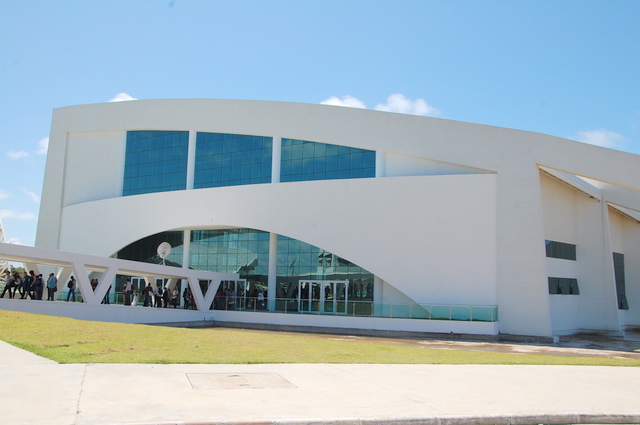
Partial view of the convention center during the meeting.
About 1,650 people connected to research in Materials Science and Engineering and other related fields were at the “Poeta Ronaldo Cunha Lima” Convention Center, in the city of João Pessoa (State of Paraíba), between September 28th and October 2nd, participating in the intense program of the 13th Meeting of the Brazilian Materials Research Society (SBPMat).
The number of attendees at this year’s annual event represented an increase of approximately 15% in comparison to the previous edition. Maintaining its international nature, the event featured entries from 20 countries of the most diverse regions of the planet, with a predominance of researchers from South America and Europe. Within Brazil, the five regions of the country were represented, with attendees from 23 states of the country, among the existing 27.
The opening
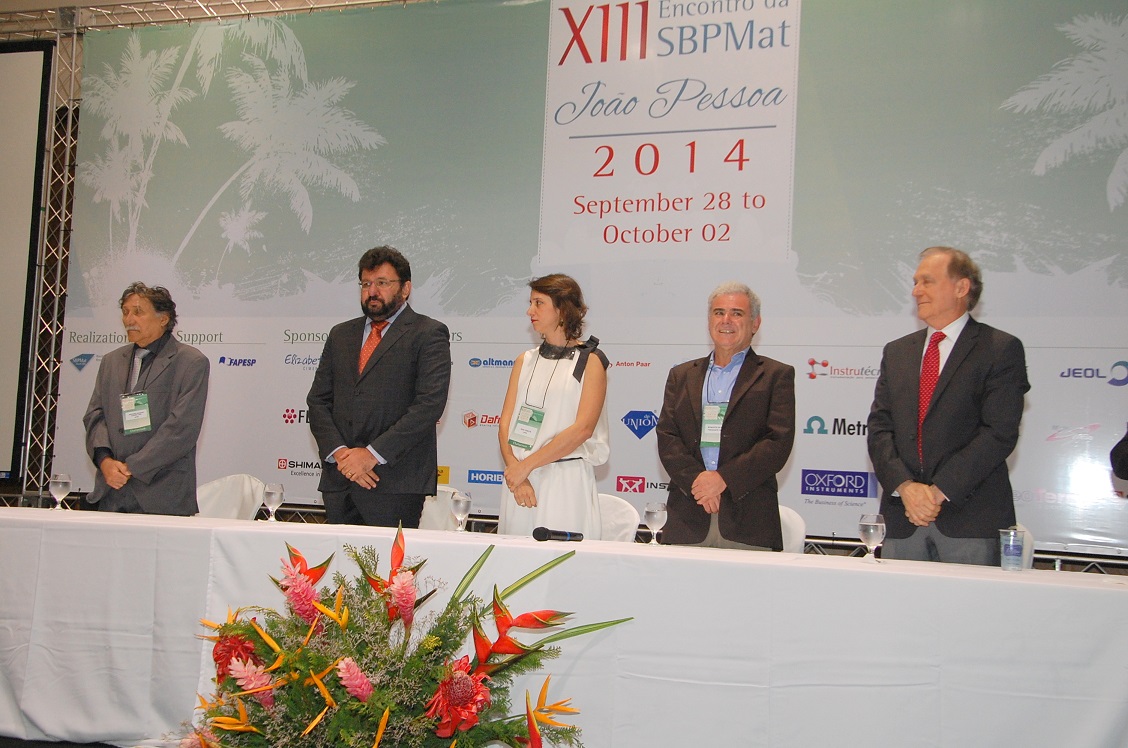
Opening panel: from the reader´s left, Jackson Lima, Claudio Furtado, Ieda Garcia, Roberto Faria e José A. Varela.
It was already nighttime in the city of João Pessoa on Sunday, September 28, when Professor Roberto Faria, President of SBPMat, formally opened the event. “The meeting is opened”, he declared facing the nearly 1,200 people gathered in the plenary room of the convention center. In addition to Professor Faria, the opening panel was composed by the chairs of the event, Professor Iêda Maria Garcia dos Santos and Severino Jackson Guedes Lima, both from the Federal University of Paraíba; the President of the Paraíba Research Foundation (FAPESQ-PB), Professor Claudio Benedito Silva Furtado, and the CEO of the São Paulo Research Foundation (FAPESP), José Arana Varela.
José Arana Varela in the Memorial Lecture Joaquim Costa Ribeiro.
After the opening ceremony, Professor Arana Varela delivered the Memorial Lecture “Joaquim Costa Ribeiro”, which is a distinction bestowed annually by SBPMat on a Brazilian researcher with an outstanding career in the field of Materials. The chosen scientist receives a plaque and presents a lecture at the beginning of the annual meeting of the society. The memorial lecture also pays homage, through its name, to one of the first Brazilian researchers who dedicated themselves to studying materials, engineer Joaquim Costa Ribeiro (1906 – 1960).
Among various subjects connected to the evolution of Materials Science, such as the creation of several scientific societies in the world in the field of materials, Arana Varela presented data about the quantity and impact of the articles published by Brazilian authors in Materials Science. The graphics caught the attention of the public to show that, until the late 1990s, annual production in the field was below 400 articles, but exceeds 1,000 since 2012. By analyzing the relative impact of these publications, Arana Varela showed that Brazil has traveled a path not so constant, and that currently does not go through its best moment. “Now the challenge is to raise the international impact of the research conducted in Brazil,” said the lecturer
Right after the lecture, the participants went to the foyer area and the VIP room, where they enjoyed the opening cocktail. In a celebratory mood, meetings occurred in several languages and with different accents, probably leading to new collaborations, ideas and friendships by the end of the event.
About 2,000 works presented
Starting on Monday, plenary lectures by internationally renowned scientists opened up the morning and afternoon periods, followed by presentations of the accepted papers in the 19 thematic simultaneous symposia.
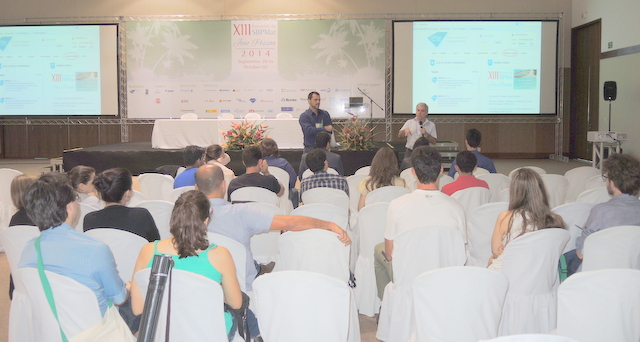
In 14 rooms, simultaneous presentations of the 19 symposia.
In addition to 105 invited lectures given by scientists from Brazil and several other countries, about 2,000 works, including oral presentations and posters, were presented and discussed at the symposia. This “universe” included topics such as organic electronics, materials for nanomedicine, hybrid interfaces, surfaces and coatings, chemical methods, sol-gel processes, magnetic materials, luminescent materials, graphene, carbon, electroceramics, advanced metals, anti-fouling materials, clays, cementitious materials, computational simulations, energy storage systems and technology transfer.
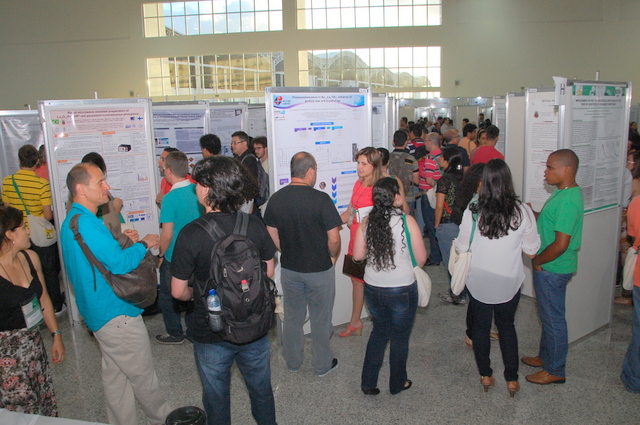
Much scientific discussion in the poster sessions.
The symposia at SBPMat meetings are selected from proposals that can be submitted to the event committee by any scientist from anywhere in the world. This edition of the event registered coordinators of symposia linked to universities, research institutes and companies, such as Petrobras, from the Southern, Southeastern and Northeastern regions of Brazil, as well as Argentina, France, Germany, Spain, Sweden, United Kingdom and USA.
On the last day of the event, during the closing ceremony, the winners of the Bernhard Gross Award were announced. The award is granted by SBPMat to the best works of each symposium presented by undergraduate or graduate students, which represented 67% of the total attendees in this year’s meeting. The award honors another pioneer researcher in the field of Materials in Brazil, the engineer and physicist Bernhard Gross (1905 – 2002). This year, twenty young scientists received the distinction for their works, conducted within their master’s, doctoral or undergraduate researches in Brazilian universities.
A varied schedule
Coffee break and exhibition.
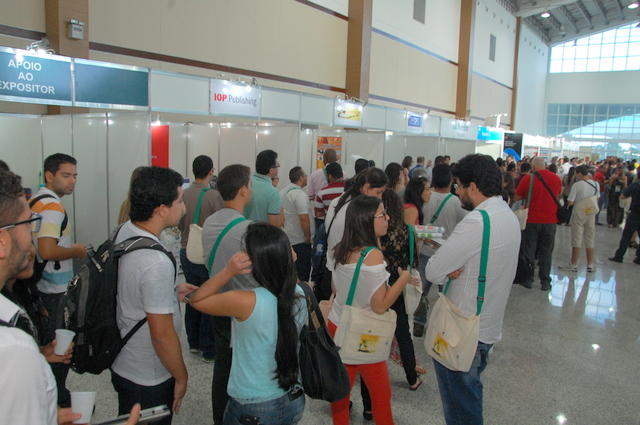
During the coffee breaks, it was hard to walk through the foyer, crowded with participants that, with coffee and a muffin or a sandwich in hand, visited the stands of the 30 exhibitors that were disclosing their scientific instruments, techniques, materials, services, projects and publications.
Those interested in learning more about Shimadzu/Tescan’s SEM with TOF SIMS detector, or about Sample Preparation with DualBeam™ and MET analysis by FEI had the opportunity to attend, right after a quick lunch and before the afternoon’s plenaries, the technical lectures of these companies, sponsors of the meeting.
This SBPMat meeting was also the stage for the disclosure of two important actions undertaken in the context of the society during 2014. The first one was the creation of four units of SPBMat’s University Chapters Programme in the states of Minas Gerais, Piauí and São Paulo. This program, intended for undergraduate and graduate students, gathered for the first time at the meeting held in João Pessoa. The second disclosure concerned the release of a document produced by the Institute of Physics (IOP) for SBPMat about Materials Science in Brazil, which was distributed firsthand to each of the participants of the 13th Meeting.
Time to wrap it up…
Applause for the chairlady at the end.
Following the ceremony of the Bernhard Gross Award, the time to close formally SBPMat’s 13th Meeting had come. Chairlady Iêda Garcia dos Santos presented a few of the event’s numbers and went to the acknowledgements: she thanked the participants, the organizing team, the volunteers from universities from the states of Paraíba and Rio Grande do Norte that helped in the organization, the committees, symposium coordinators, speakers, sponsors, supporters and exhibitors. At that moment, SBPMat’s President, Roberto Faria, spoke, expressing his gratitude to the coordinators of the event.
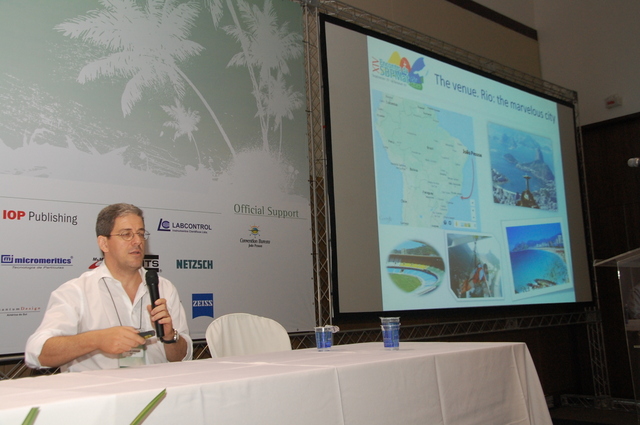
Announcement of the next SBPMat meeting.
To finish it all, Professor Marco Cremona, coordinator of the society’s next event, announced that the XIV SBPMat Meeting would be held in Rio de Janeiro, from September 27 to October 1 2015, at the SulAmérica Convention Center – a space easily and quickly accessible from any neighborhood of the “Wonderful City”.
With the double joy of taking part in a beautiful event, and the perspective of a reunion in twelve months, the participants, organizers and speakers that were still at the convention center socialized around a series of regional delicacies that left a taste of sea in the mouth, perhaps intensifying the desire of many to spend this afternoon on the beautiful beaches of Paraíba.
Postdoctoral student at the Institute of Chemistry at the São Paulo State University (UNESP), Luís Fernando da Silva received an award for the best doctoral thesis in the field of materials in 2014 by the Brazilian agency for the support and evaluation of graduate education (CAPES). The research, conducted during his doctoral studies at the University of São Paulo (USP), used a new method to synthesize chemical compounds displaying effective properties as gas sensors.
The thesis is titled Synthesis and characterization of SrTiO3 and SrTi1-xFexO3 compounds by microwave-assisted hydrothermal method, and the work was advised by Professor Valmor Mastelaro (from the São Carlos Institute of Physics – USP). Silva also used infrastructure of the laboratories of the Center for the Development of Functional Materials(CDMF) to perform his study.
The researcher worked with strontium titanate compounds, both in its pure form or added with iron (SrTiO3 and SrTi1-xFexO3). Silva says that to produce such materials in the laboratory used to require an extensive amount of time, which would delay and complicate the synthesis process of the compound. “In my paper, I proposed the use of the microwave-assisted hydrothermal treatment to obtain this compound. The advantage of this method is the low temperature and the short amount of time.”
In general, the titanate synthesis takes 12 hours, at a temperature of 1200 °C. With the new method proposed by Silva in his doctoral thesis, the whole process takes 10 minutes at a temperature of 140 °C. The researcher explains that, in addition to making the compound synthesis faster, the microwave-assisted hydrothermal method also enables a better control over the titanate properties. “This compound managed to display interesting properties as a sensor for ozone gas and nitrogen dioxide, as well as photoluminescence and photocatalysis”.
Gas sensors are usually used by the industry as a key element for safety in production lines. The device helps to detect gases which are odorless and hazardous to human beings. Thus, the detectors play a major role ensuring safety in installations and preventing accidents.
To read the original thesis by Luis Fernando da Silva, click here.
About the CDMF
CDMF is one of the several Research, Innovation and Dissemination Centers(CEPID) supported by FAPESP. The center also receives funds from CNPq, through the National Institute of Science and Technology for Nanotechnology Materials (INCTMN), integrating a research network between UNESP, the Federal University of São Carlos(UFSCar), USP and the – Nuclear and Energy Research Institute(IPEN).
CAPES Award for Thesis
The CAPES award was created in the year of 2005, with the purpose of granting a distinction to the best doctoral thesis defended and approved in Brazilian courses. Its selection takes into account criteria of originality, innovation and quality, considering that the pre-selection is made by the graduate programs.
The award ceremony will be held in the CAPES office, in Brasília, on December 10th.