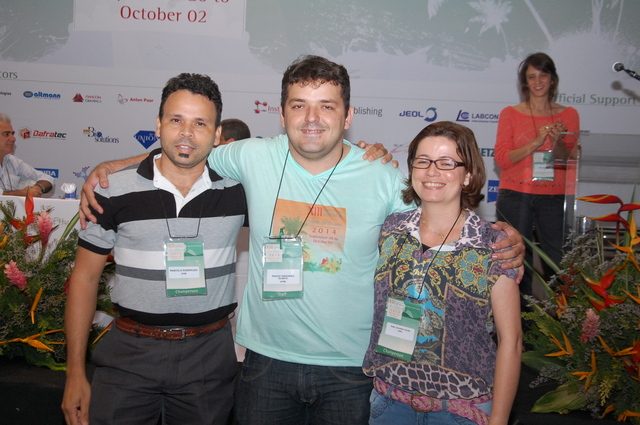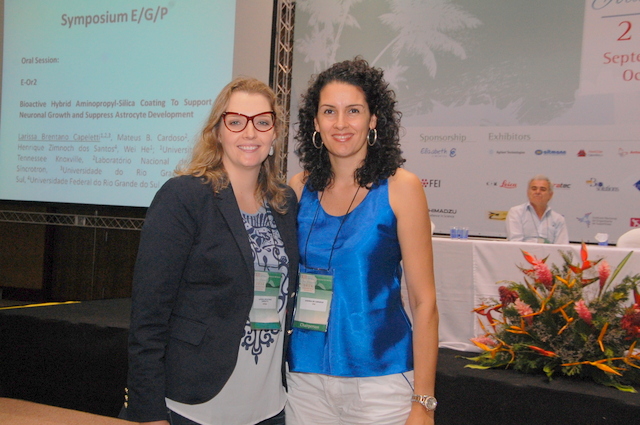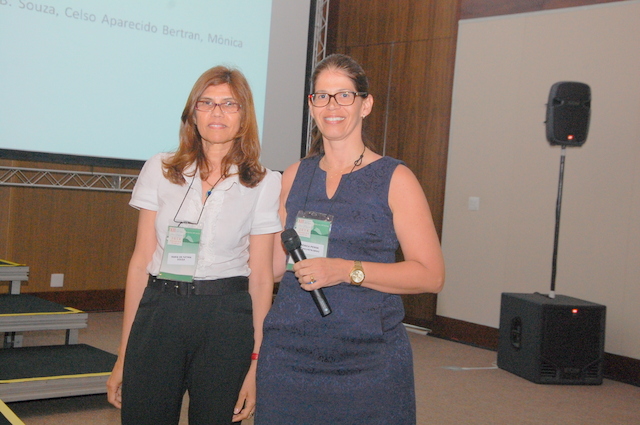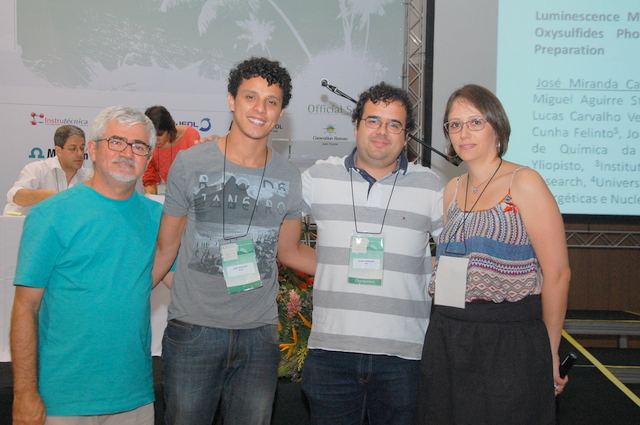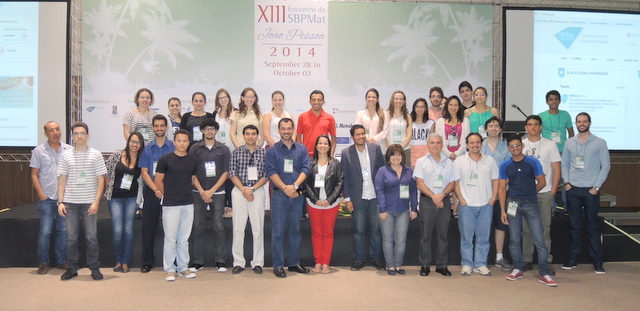
13th SBPMat Meeting: about 2,000 works presented, and interactions in various languages and accents.

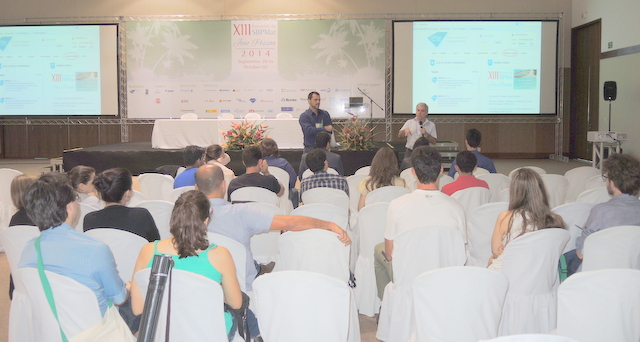
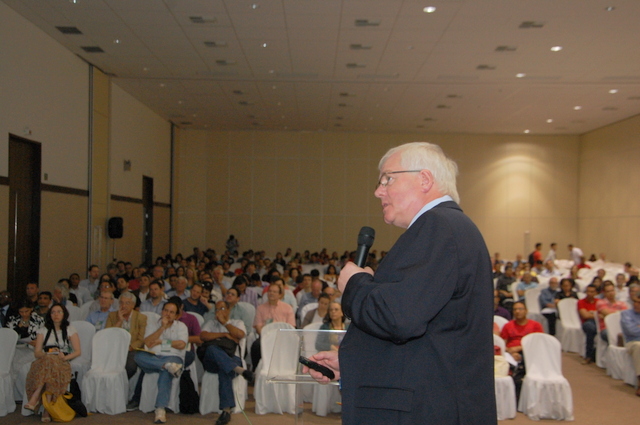
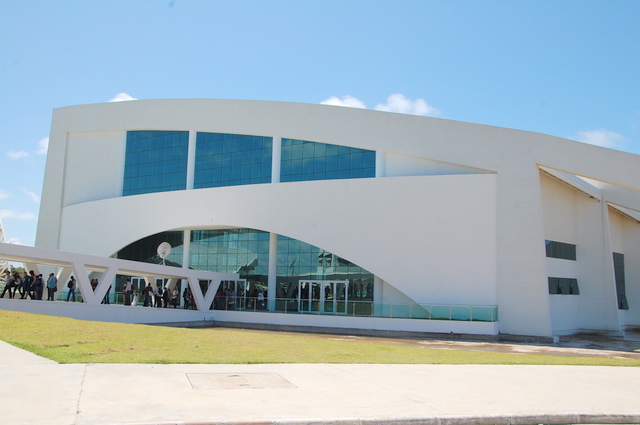
Partial view of the convention center during the meeting.

About 1,650 people connected to research in Materials Science and Engineering and other related fields were at the “Poeta Ronaldo Cunha Lima” Convention Center, in the city of João Pessoa (State of Paraíba), between September 28th and October 2nd, participating in the intense program of the 13th Meeting of the Brazilian Materials Research Society (SBPMat).

The number of attendees at this year’s annual event represented an increase of approximately 15% in comparison to the previous edition. Maintaining its international nature, the event featured entries from 20 countries of the most diverse regions of the planet, with a predominance of researchers from South America and Europe. Within Brazil, the five regions of the country were represented, with attendees from 23 states of the country, among the existing 27.

The opening

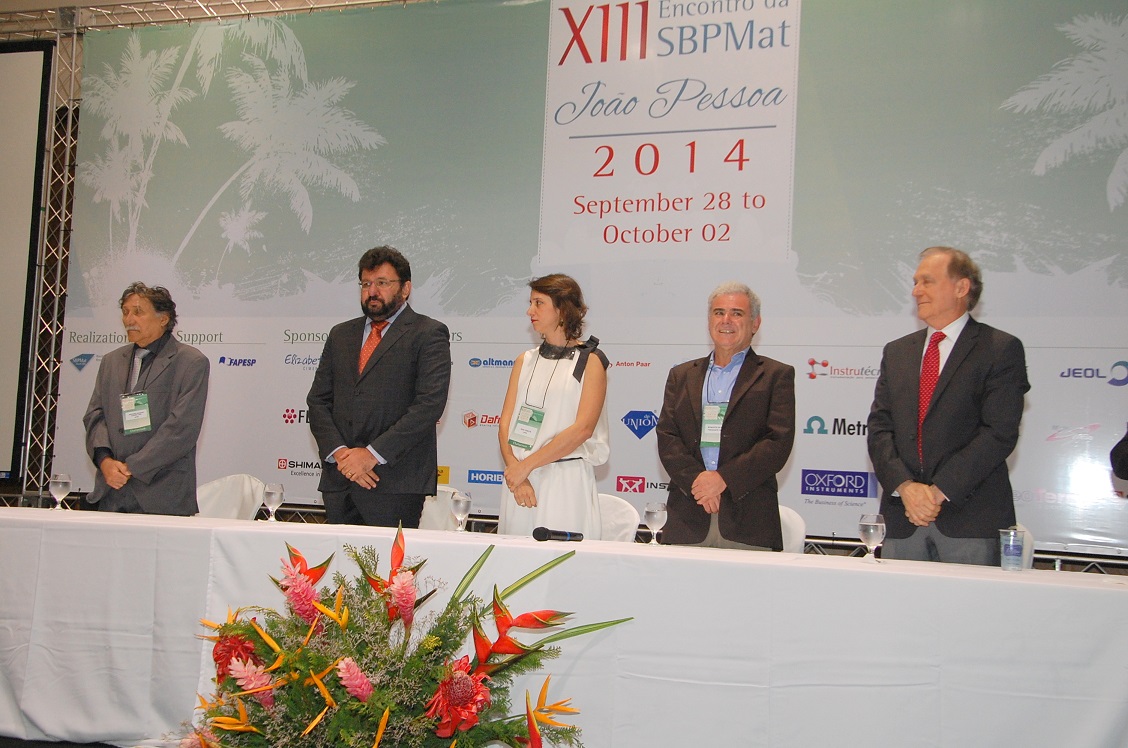
Opening panel: from the reader´s left, Jackson Lima, Claudio Furtado, Ieda Garcia, Roberto Faria e José A. Varela.

It was already nighttime in the city of João Pessoa on Sunday, September 28, when Professor Roberto Faria, President of SBPMat, formally opened the event. “The meeting is opened”, he declared facing the nearly 1,200 people gathered in the plenary room of the convention center. In addition to Professor Faria, the opening panel was composed by the chairs of the event, Professor Iêda Maria Garcia dos Santos and Severino Jackson Guedes Lima, both from the Federal University of Paraíba; the President of the Paraíba Research Foundation (FAPESQ-PB), Professor Claudio Benedito Silva Furtado, and the CEO of the São Paulo Research Foundation (FAPESP), José Arana Varela.

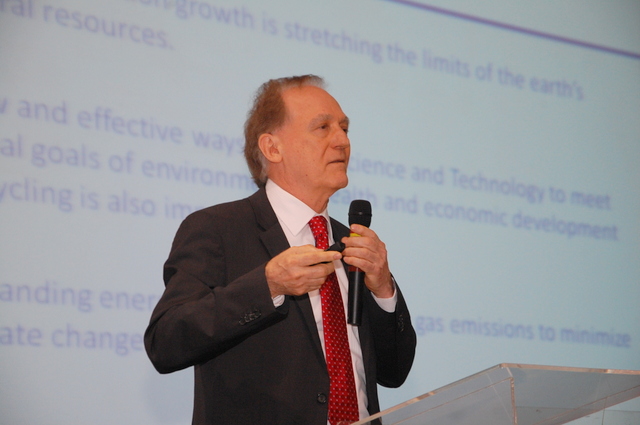
José Arana Varela in the Memorial Lecture Joaquim Costa Ribeiro.

After the opening ceremony, Professor Arana Varela delivered the Memorial Lecture “Joaquim Costa Ribeiro”, which is a distinction bestowed annually by SBPMat on a Brazilian researcher with an outstanding career in the field of Materials. The chosen scientist receives a plaque and presents a lecture at the beginning of the annual meeting of the society. The memorial lecture also pays homage, through its name, to one of the first Brazilian researchers who dedicated themselves to studying materials, engineer Joaquim Costa Ribeiro (1906 – 1960).

Among various subjects connected to the evolution of Materials Science, such as the creation of several scientific societies in the world in the field of materials, Arana Varela presented data about the quantity and impact of the articles published by Brazilian authors in Materials Science. The graphics caught the attention of the public to show that, until the late 1990s, annual production in the field was below 400 articles, but exceeds 1,000 since 2012. By analyzing the relative impact of these publications, Arana Varela showed that Brazil has traveled a path not so constant, and that currently does not go through its best moment. “Now the challenge is to raise the international impact of the research conducted in Brazil,” said the lecturer

Right after the lecture, the participants went to the foyer area and the VIP room, where they enjoyed the opening cocktail. In a celebratory mood, meetings occurred in several languages and with different accents, probably leading to new collaborations, ideas and friendships by the end of the event.

About 2,000 works presented

Starting on Monday, plenary lectures by internationally renowned scientists opened up the morning and afternoon periods, followed by presentations of the accepted papers in the 19 thematic simultaneous symposia.

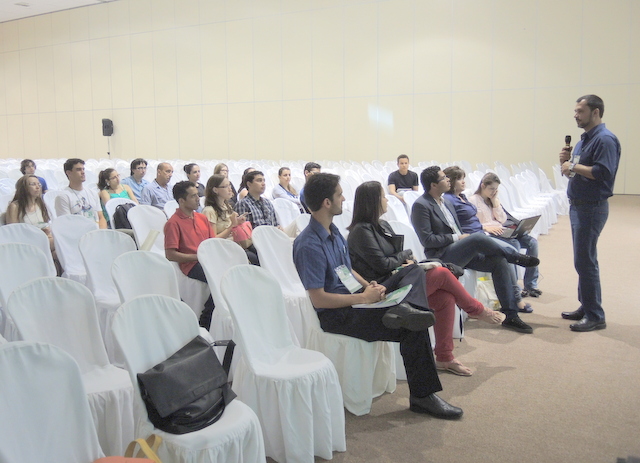
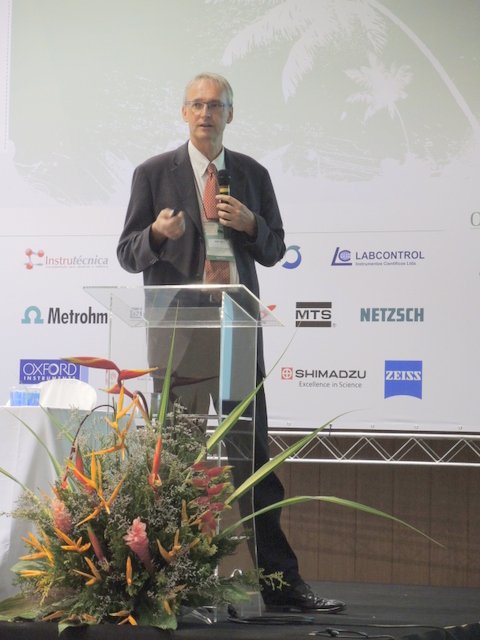
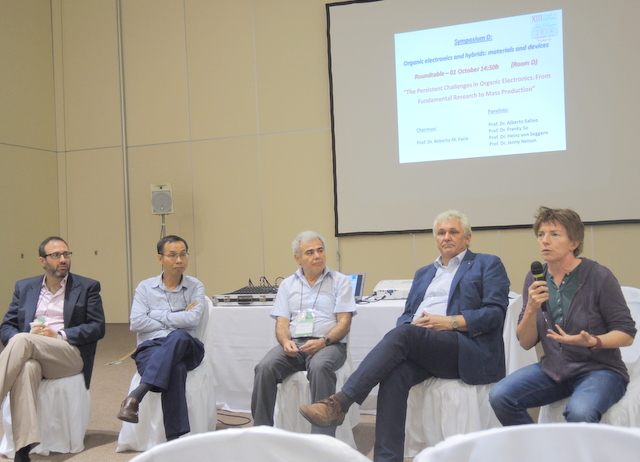
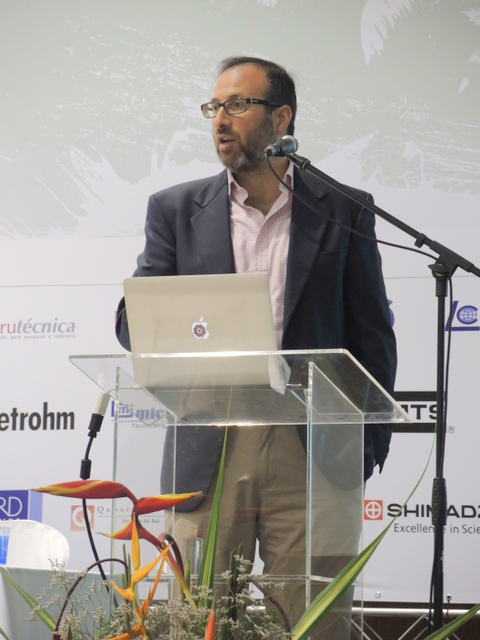
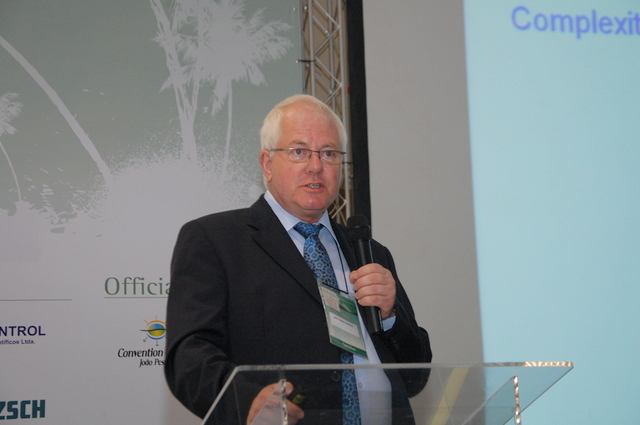
In 14 rooms, simultaneous presentations of the 19 symposia.

In addition to 105 invited lectures given by scientists from Brazil and several other countries, about 2,000 works, including oral presentations and posters, were presented and discussed at the symposia. This “universe” included topics such as organic electronics, materials for nanomedicine, hybrid interfaces, surfaces and coatings, chemical methods, sol-gel processes, magnetic materials, luminescent materials, graphene, carbon, electroceramics, advanced metals, anti-fouling materials, clays, cementitious materials, computational simulations, energy storage systems and technology transfer.

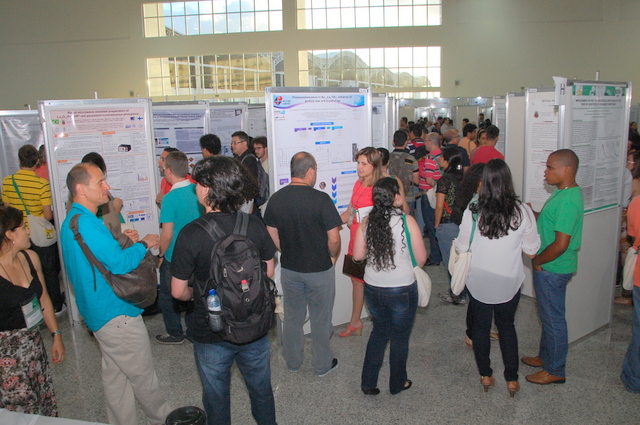
Much scientific discussion in the poster sessions.

The symposia at SBPMat meetings are selected from proposals that can be submitted to the event committee by any scientist from anywhere in the world. This edition of the event registered coordinators of symposia linked to universities, research institutes and companies, such as Petrobras, from the Southern, Southeastern and Northeastern regions of Brazil, as well as Argentina, France, Germany, Spain, Sweden, United Kingdom and USA.

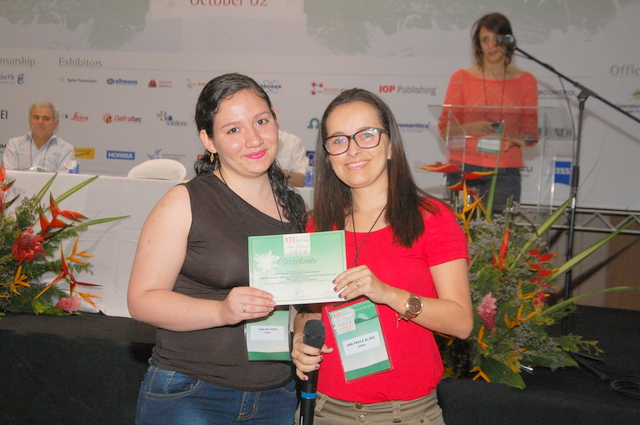
On the last day of the event, during the closing ceremony, the winners of the Bernhard Gross Award were announced. The award is granted by SBPMat to the best works of each symposium presented by undergraduate or graduate students, which represented 67% of the total attendees in this year’s meeting. The award honors another pioneer researcher in the field of Materials in Brazil, the engineer and physicist Bernhard Gross (1905 – 2002). This year, twenty young scientists received the distinction for their works, conducted within their master’s, doctoral or undergraduate researches in Brazilian universities.

A varied schedule

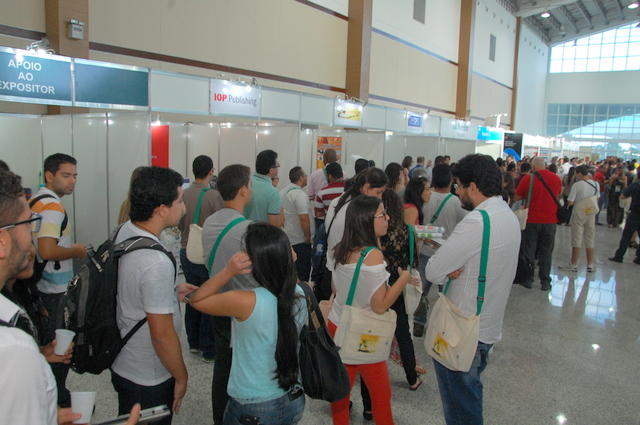
Coffee break and exhibition.

During the coffee breaks, it was hard to walk through the foyer, crowded with participants that, with coffee and a muffin or a sandwich in hand, visited the stands of the 30 exhibitors that were disclosing their scientific instruments, techniques, materials, services, projects and publications.

Those interested in learning more about Shimadzu/Tescan’s SEM with TOF SIMS detector, or about Sample Preparation with DualBeam™ and MET analysis by FEI had the opportunity to attend, right after a quick lunch and before the afternoon’s plenaries, the technical lectures of these companies, sponsors of the meeting.

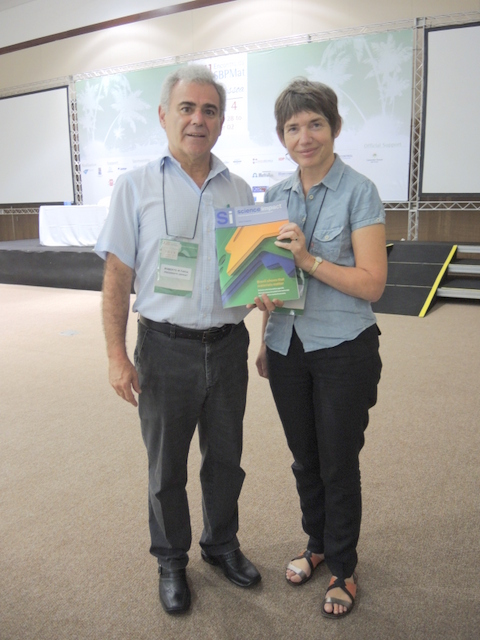
This SBPMat meeting was also the stage for the disclosure of two important actions undertaken in the context of the society during 2014. The first one was the creation of four units of SPBMat’s University Chapters Programme in the states of Minas Gerais, Piauí and São Paulo. This program, intended for undergraduate and graduate students, gathered for the first time at the meeting held in João Pessoa. The second disclosure concerned the release of a document produced by the Institute of Physics (IOP) for SBPMat about Materials Science in Brazil, which was distributed firsthand to each of the participants of the 13th Meeting.

Time to wrap it up…

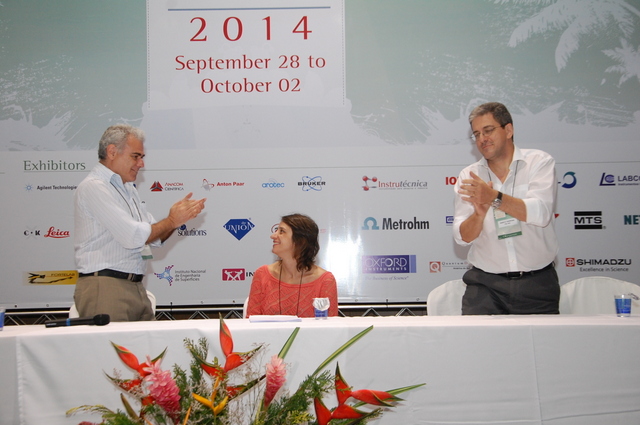
Applause for the chairlady at the end.

Following the ceremony of the Bernhard Gross Award, the time to close formally SBPMat’s 13th Meeting had come. Chairlady Iêda Garcia dos Santos presented a few of the event’s numbers and went to the acknowledgements: she thanked the participants, the organizing team, the volunteers from universities from the states of Paraíba and Rio Grande do Norte that helped in the organization, the committees, symposium coordinators, speakers, sponsors, supporters and exhibitors. At that moment, SBPMat’s President, Roberto Faria, spoke, expressing his gratitude to the coordinators of the event.

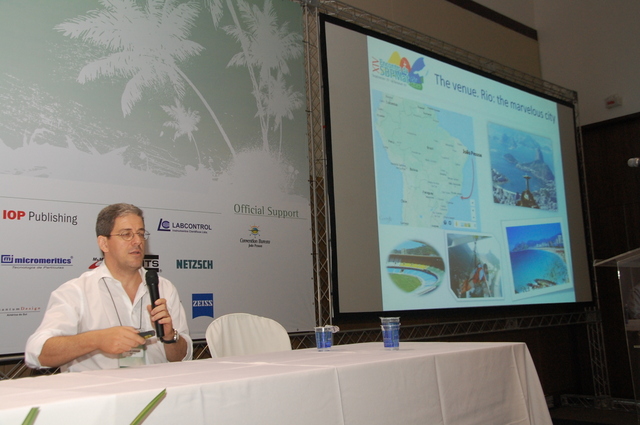
Announcement of the next SBPMat meeting.

To finish it all, Professor Marco Cremona, coordinator of the society’s next event, announced that the XIV SBPMat Meeting would be held in Rio de Janeiro, from September 27 to October 1 2015, at the SulAmérica Convention Center – a space easily and quickly accessible from any neighborhood of the “Wonderful City”.

With the double joy of taking part in a beautiful event, and the perspective of a reunion in twelve months, the participants, organizers and speakers that were still at the convention center socialized around a series of regional delicacies that left a taste of sea in the mouth, perhaps intensifying the desire of many to spend this afternoon on the beautiful beaches of Paraíba.

CAPES award for the best doctoral thesis in Materials: fast synthesis of strontium titanate compounds for gas sensors.

Postdoctoral student at the Institute of Chemistry at the São Paulo State University (UNESP), Luís Fernando da Silva received an award for the best doctoral thesis in the field of materials in 2014 by the Brazilian agency for the support and evaluation of graduate education (CAPES). The research, conducted during his doctoral studies at the University of São Paulo (USP), used a new method to synthesize chemical compounds displaying effective properties as gas sensors.

The thesis is titled Synthesis and characterization of SrTiO3 and SrTi1-xFexO3 compounds by microwave-assisted hydrothermal method, and the work was advised by Professor Valmor Mastelaro (from the São Carlos Institute of Physics – USP). Silva also used infrastructure of the laboratories of the Center for the Development of Functional Materials (CDMF) to perform his study. 

The researcher worked with strontium titanate compounds, both in its pure form or added with iron (SrTiO3 and SrTi1-xFexO3). Silva says that to produce such materials in the laboratory used to require an extensive amount of time, which would delay and complicate the synthesis process of the compound. “In my paper, I proposed the use of the microwave-assisted hydrothermal treatment to obtain this compound. The advantage of this method is the low temperature and the short amount of time.”

In general, the titanate synthesis takes 12 hours, at a temperature of 1200 °C. With the new method proposed by Silva in his doctoral thesis, the whole process takes 10 minutes at a temperature of 140 °C. The researcher explains that, in addition to making the compound synthesis faster, the microwave-assisted hydrothermal method also enables a better control over the titanate properties. “This compound managed to display interesting properties as a sensor for ozone gas and nitrogen dioxide, as well as photoluminescence and photocatalysis”.

Gas sensors are usually used by the industry as a key element for safety in production lines. The device helps to detect gases which are odorless and hazardous to human beings. Thus, the detectors play a major role ensuring safety in installations and preventing accidents.

To read the original thesis by Luis Fernando da Silva, click here.

About the CDMF

CDMF is one of the several Research, Innovation and Dissemination Centers (CEPID) supported by FAPESP. The center also receives funds from CNPq, through the National Institute of Science and Technology for Nanotechnology Materials (INCTMN), integrating a research network between UNESP, the Federal University of São Carlos (UFSCar), USP and the – Nuclear and Energy Research Institute (IPEN).

CAPES Award for Thesis

The CAPES award was created in the year of 2005, with the purpose of granting a distinction to the best doctoral thesis defended and approved in Brazilian courses. Its selection takes into account criteria of originality, innovation and quality, considering that the pre-selection is made by the graduate programs.

The award ceremony will be held in the CAPES office, in Brasília, on December 10th.

[Press release from the CDMF]

Bernhard Gross award 2014.

The Bernhard Gross Award, granted by the Brazilian MRS (SBPMat) highlights the best works in each symposium of the annual SBPMat meetings (an oral work and a poster per symposium, at most), presented by undergraduate or graduate students. Among the finalists, the best oral work and the best poster of all the meeting are chosen each year. The absence of the person who has been awarded or any member of the research group in the ceremony results in cancellation of the award. (Know more about Bernhard Gross, one of the pioneers of research on materials in Brazil).

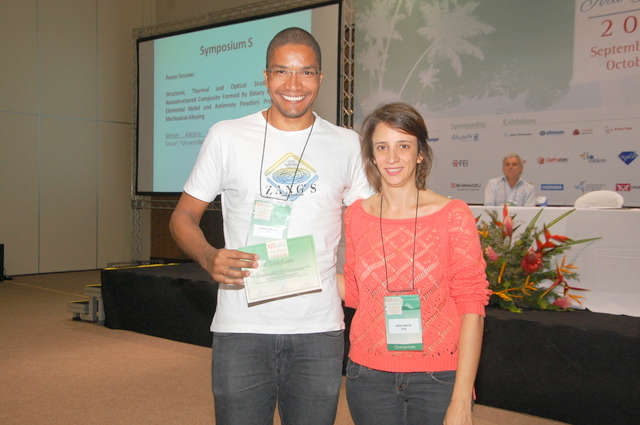
At the closing ceremony of XIII Meeting of SBPMat, in the morning of the 2nd of October 2014, at the Convention Center of João Pessoa (PB), the winners of the 2014 Bernhard Gross Award were announced and award certificates were handed in. The awarded papers this year may be part of a special edition in the open access magazine “IOP Conference Series: Materials Science and Engineering”.

Here is the list of the works distinguished with the 2014 Bernhard Gross Award.

– 2014 winners

Oral: Electrical Response Of A Columnar Liquid Crystal Applied In A Diode StructureJuliana Eccher1, Gregorio Couto Faria2, Harald Bock3, Heinz Von Seggern4, Wojciech Zajaczkowski5, Wojciech Pisula5, Ivan H. Bechtold11Universidade Federal de Santa Catarina, 2Universidade de São Paulo, 3Centre de Recherche Paul Pascal, Cnrs and Univ. Bordeaux, 4Technische Universität Darmstadt, 5Max-Planck-Institut For Polymer Research, Mainz

Poster: Sensor Development Exploiting Graphite-Epoxy Composite As Electrode MaterialAndré Luiz Maia Azevedo1, Renato Soares de Oliveira1, Eduardo Ariel Ponzio1, Felipe Silva Semaan11Universidade Federal Fluminense

– Simposium A winners
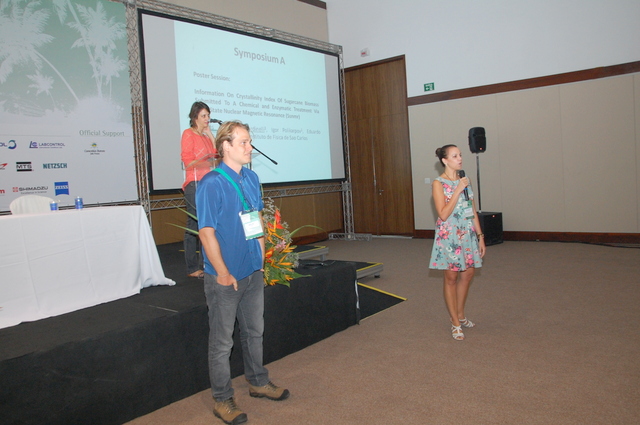
Poster: Information On Crystallinity Index Of Sugarcane Biomass Submitted To A Chemical and Enzymatic Treatment Via Solid-State Nuclear Magnetic Resonance (Ssnmr)Oigres Daniel Bernardinelli1, Igor Polikarpov1, Eduardo Ribeiro de Azevedo11Instituto de Física de Sao Carlos.

Simposium B winners

Oral: Synthesis Of Potassium Niobates By Microwave Assisted Solvothermal Method; Thiago Marinho Duarte1, Luzia Maria Castro Honório1, Juliana Kelly Dionízio de Souza1, Arnayra Sonayra Brito Silva1, Elson Longo2, Ricardo Luis Tranquilin3, Iêda Maria Garcia Santos4, Antônio Gouveia de Souza1, Ary da Silva Maia11Universidade Federal da Paraiba, 2Universidade Estadual Paulista, Campus de Araraquara, 3Universidade Federal de São Carlos – Campus: São Carlos,4Universidade Federal da Paraíba.

Simposium C winners

Poster: Magnetic Particles As Affinity Matrix For Purification Of AntithrombinAurenice Arruda Dutra Das Merces1, Jackeline da Costa Maciel2, Luiz Bezerra de Carvalho Júnior11Universidade Federal de Pernambuco, 2Universidade Federal de Roraima.

Simposium D winners

Oral: Electrical Response Of A Columnar Liquid Crystal Applied In A Diode StructureJuliana Eccher1, Gregorio Couto Faria2, Harald Bock3, Heinz Von Seggern4, Wojciech Zajaczkowski5, Wojciech Pisula5, Ivan H. Bechtold11Universidade Federal de Santa Catarina, 2Universidade de São Paulo, 3Centre de Recherche Paul Pascal, Cnrs and Univ. Bordeaux, 4Technische Universität Darmstadt, 5Max-Planck-Institut For Polymer Research, Mainz.
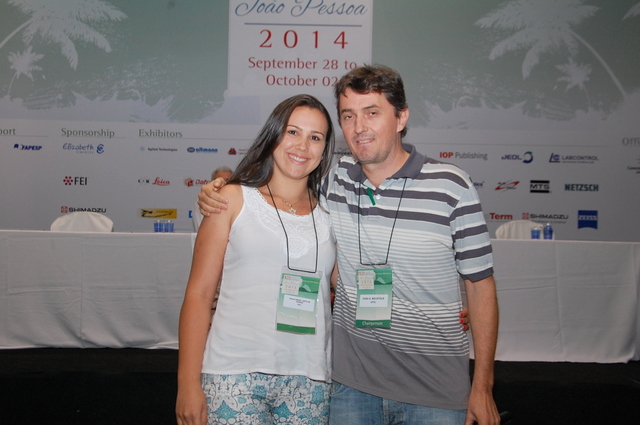
Poster: How Surface Interactions Freeze Polymer Molecules At Room Temperature: A Single Molecule ApproachFrancineide Lopes de Araújo1, Gustavo Targino Valente1, Roberto Mendonça Faria1, Francisco Eduardo Gontijo Guimarães11São Carlos Institute Of Physics, University Of São Paulo.

Simposia E/G/P winners

Oral: Bioactive Hybrid Aminopropyl-Silica Coating To Support Neuronal Growth and Suppress Astrocyte DevelopmentLarissa Brentano Capeletti1,2,3, Mateus B. Cardoso2, João Henrique Zimnoch dos Santos4, Wei He11University Of Tennessee Knoxville, 2Laboratório Nacional de Luz Síncrotron, 3Universidade do Rio Grande do Sul, 4Universidade Federal do Rio Grande do Sul.

Simposium F winners

OralEvaluation of polymeric coatings on their efficiency of inhibiting the formation of inorganic scale. Maria de Fátima B. Souza, Celso Aparecido Bertran, Mônica de Oliveira Penna.

Simposium G winners

Poster: Theoretical Investigation Of Optical and Structural Properties Of Ba-Doped Zno MaterialLuis Henrique da Silveira Lacerda1, Sergio Ricardo de Lazaro1, Renan Augusto Ribeiro11Universidade Estadual de Ponta Grossa.

Simposium H winners

Oral: Luminescence Mechanism Of Titanium Doped Rare Earth Oxysulfides Phosphors Obtained By Rapid Microwave PreparationJosé Miranda Carvalho1, Cássio Cardoso Santos Pedroso1, Miguel Aguirre Stock Grein Barbará1, Pawel Gluchowski2,3, Lucas Carvalho Veloso Rodrigues4, Maria Cláudia França da Cunha Felinto5, Jorma Hölsä2, Hermi Felinto Brito41Instituto de Química da Usp, 2University Of Turku / Turun Yliopisto, 3Institute Of Low Temperature and Structure Research, 4Universidade de São Paulo, 5Instituto de Pesquisas Energéticas e Nucleares.

Poster: Amino Funcionalization Of Y2O3:eu(Iii) Red Nanophosphor Monitored By Luminescence Spectroscopy and Transmission Electron MicroscopyAndré Lucas Costa1, João Paulo Gelamos1, Gabriel Mamoru Marques Shinohara2, Sergio Antonio Marques Lima1, Ana Maria Pires11Fct-Unesp Campus de Presidente Prudente, 2Instituto de Química da Unesp.

Simposium K winners

Oral: Automatic Reconstruction Of Austenite Grain Structure In Martensitic Eurofer-97 Steel From Electron Backscatter Diffraction Data; Verona Biancardi Oliveira1, Hugo Ricardo Zschommler Sandim11Escola de Engenharia de Lorena – Universidade de São Paulo.
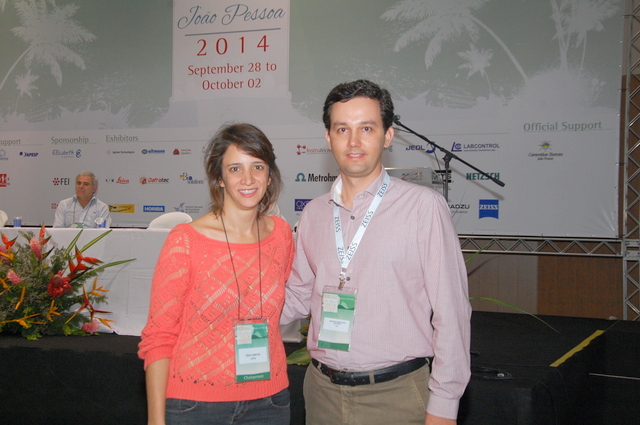
Poster: A Dilatometric Study Of The Continuous Heating Transformations In Maraging 300 Steel; Adriano Gonçalves dos Reis1, Danieli Aparecida Pereira Reis2, Antonio Jorge Abdalla3, Jorge Otubo1, Hugo Ricardo Zschommler Sandim41Instituto Tecnológico de Aeronáutica, 2Universidade Federal de São Paulo, 3Instituto de Estudos Avançados, 4Escola de Engenharia Química de Lorena – Universidade de São Paulo.

Simposium L winners

Oral: Photoelectrochemical Study Of Ta3N5 Nanotubes For Water SplittingSherdil Khan1, Marcos Jose Leite Santos1, Jairton Dupont1, Sérgio Ribeiro Teixeira11Universidade Federal do Rio Grande do Sul.

Poster: Hydrogen Production From Rice Husk Gray Obtained In The Pyrolysis ProcessSuelen Rodrigues Almeida1, Carolina Elicker1, Bruno Muller Vieira1, José Ramon Jurado Egea2, Pedro José Sanches Filho3, Mário Lúcio Moreira1, Sergio da Silva Cava1, Cristiane Raubach Ratmann1;1Universidade Federal de Pelotas, 2Consejo Superior de Investigaciones Científicas, 3Instituto Federal de Educação, Ciência e Tecnologia Sul.

Simposium M winners

Oral: Graphene Nanoribbons Decorated With Magnetic Fe3O4 Nanoparticles For Dna SensingBlanca Azucena Gómez Rodríguez1, Manuel Perez Caro2, Deborah Zanforlin3, Ana Laura Elías4, José Luiz Lima1,5, Antonio Gomes Souza Filho6, Mauricio Terrones4, José Albino Aguiar11Universidade Federal de Pernambuco, 2Texas State University, 3Universidade Federal de Pernanbuco, 4Penn State University, 5Departamento de Bioquímica – Ufpe, 6Universidade Federal do Ceará.
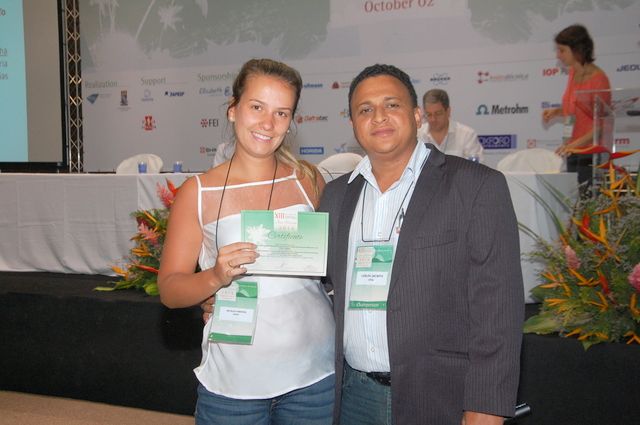
Poster: Adjusting Supramolecular Electrostatic Interactions To Produce Mucoadhesive Nanocarriers For Protein DeliveryLeonardo Miziara Barboza Ferreira1, Natália Noronha Ferreira, Charlene Priscila Kiill, Jovan Duran Alonso, Maria Palmira Daflon Gremião; 1Faculdade de Ciências Farmacêuticas-Unesp.

Simposium N winners

Poster: Preparation and Characterization Of The Lbl Films Based Nanoparticle Graphene Oxide Interacting With 3-N-Propylpirydinium Silsesquixane Chloride; Rodolfo Bonoto Estevam, Rodolfo Thiago Ferreira1, Alan Ben-Hur Bischof, Fábio Santana dos Santos, Cleverson Siqueira Santos, Sérgio Toshio Fujiwara, Karen Wohnrath, Jarem Garcia, Christiana Andrade Pessoa; 1Universidade Estadual de Ponta Grossa.

Simposium O winners

Poster: Layered Materials As Nanocarriers To Bioactive MoleculesCaroline Silva de Matos, Michele Aparecida Rocha1, Christine Taviot Gueho2, Fabrice Leroux2, Vera Regina Leopoldo Constantino11Instituto de Química da Universidade de São Paulo, 2Institut de Chimie de Clermont-Ferrand.

Simposium P winners

Poster: Sensor Development Exploiting Graphite-Epoxy Composite As Electrode MaterialAndré Luiz Maia Azevedo1, Renato Soares de Oliveira1, Eduardo Ariel Ponzio1, Felipe Silva Semaan11Universidade Federal Fluminense.

Simposium S winners

Poster: Structural, Thermal and Optical Studies Of A Nanostructured Composite Formed By Binary Mixtures Of Elemental Nickel and Antimony Powders Produced By Mechanical AlloyingGleison Adriano da Silva1, Sérgio Michielon de Souza11Universidade Federal do Amazonas.
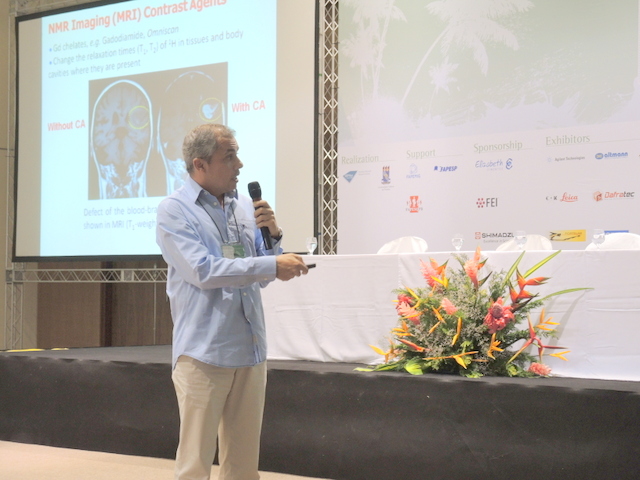
Proceedings of the “6th International Conference on Electroceramics” (ICE 2013).

The proceedings of the 6th International Conference on Electroceramics, held at João Pessoa on November 2013, under the auspices of SBPMat, were published online on Trans Tech Publications Inc.’s “Advanced Materials Research” (AMR) journal, volume 975.

The Publishing Committee, composed of Drs. Daniel Zanetti de Florio, Fábio Coral Fonseca, Eliana N.S. Muccillo and Reginaldo Muccillo, was responsible for the editing of this volume of AMR, after comprehensive peer review.

Each corresponding author has their login to access their articles online.

Access to this volume: www.scientific.net/AMR.975

SBPMat newsletter. English edition. Year 1, issue 9 – special: XIII SBPMat Meeting.


Brazilian Materials Research Society (SBPMat) newsletter

News update from Brazil for the Materials community


English edition. Year 1, issue 9. 

Greetings, .

Final arrangements for our meeting in João Pessoa!

– Read the message of the chairs of the event, which this year accepted 2,141 papers and has nearly 2,000 registrations from 28 countries so far. In the message, professors Ieda Garcia and Severino de Lima show the highlights of the program of this year’s meeting! Here.

– After lunch and before the afternoon plenary lectures, you can attend technical lectures of the meeting´s sponsors in João Pessoa: Shimadzu/Tescan will discourse about SEM with ion beam and TOF SIMS detector, and FEI will address DualBeam TEM. Learn more.

– Why is João Pessoa called “the sun door“? Learn more about the city, one of the oldest in Brazil, and its natural and cultural features. And get ready to dive into green waters at 28 °C! Read about João Pessoa.

– What to pack? Track the weather, whose temperatures should be between 20 °C and 30 °C. But pay attention, the meeting organization warns that, at the Convention Center, the air conditioner will make the room fresh … Link to weather in João Pessoa.

– Registration: here.

Program at a glance: here.

Detailed schedule. Search for times and locations of symposia presentations: here.

–  Some options of accommodation, car rental, transfers from the airports of the region, transportation from hotels to convention center, and tours: see on the home page of the site of the event.

– And what about the conference party? This year, it will be held on Wednesday evening at Espaço Caixa Econômica Federal in Cabo Branco. Tickets may be purchased in the information desk as of Monday 1 p.m..


Interviews with our plenary speakers

We interviewed Robert Chang, professor of the first department of Materials Science in the world at Northwestern University. Besides having a remarkable career as a researcher (his H index is 56), “Bob” has dedicated the past 20 years guiding the development of the Materials World Modules program, which develops educational, interactive and playful material (for example, card games) on Materials and Nanotechnology for pre-college students and their teachers. In his plenary lecture at the XIII SBPMat Meeting, Professor Chang will try to mobilize citizens of the world to solve global problems together. See our interview with the scientist.

We also spoke with Professor Colin Humphreys, a professor at the University of Cambridge.  Among other honors, the scientist was knighted by the Queen of England for his services to science. Besides being the author of over 600 publications, the professor developed materials for the industry that currently fly in aircraft engines and created low cost LEDs based on gallium nitride, material on which he specialized. In João Pessoa, he will show, among other issues, how gallium nitride could reduce electricity consumption by 25% in the world. See our interview with Colin Humphreys.


We interviewed the German physicist Karl Leo, specialist in organic semiconductors. Beyond being the author of more than 550 papers with more than 23,000 citations and 50 families of patents, the scientist has already participated of the creation of 8 spin-off companies. In his lecture at the XIII SBPMat Meeting, Karl Leo will speak on highly efficient organic devices, as OLEDs and solar cells. See our interview with Karl Leo.

We also spoke with the Portuguese physicist Antonio Luis Ferreira Martins Dias Carlos, of the University of Aveiro, who will perform a lecture in our meeting in João Pessoa on luminescence applied to nanomedicine. In the interview, the professor shared with us his most prominent works in the field of Materials. He also told us about some challenges in the area of luminescence for medical applications, both in medical imaging and intra-cellular temperature mapping, and cited examples of applications of luminescent materials that have already been used in the diagnosis and treatment of various diseases. See our interview with Luis Dias Carlos.


We interviewed the French scientist Jean-Marie Dubois (Institut Jean-Lamour), specialist in quasicrystals (ordered, but aperiodic structures on solid materials) and pioneer in patenting applications for them. He told us a little about his main contributions to the field of Materials and gave a teaser on the theme of his plenary lecture in the XIII SBPMat Meeting: he will talk about quasicrystal structures, found in metallic alloys, polymers, oxides and artificial nanostructures, and their unprecedented properties. In the picture, Jean-Marie Dubois (on the left) and Dan Shechtman, who received a Nobel Prize in 2011 for the quasicrystals, using equal ties, both decorated with the Penrose tiling, an example of aperiodicity.  Read our interview with Jean-Marie Dubois here.

We also interviewed the Italian chemist Roberto Dovesi (Universita’ degli Studi di Torino), one of the creators of CRYSTAL, a computational tool for ab initio quantum calculations used in the study of several solid materials properties. The CRYSTAL code is currently used in over 350 laboratories around the world.  In his plenary lecture in the XIII SBPMat Meeting, Dovesi will attempt to demonstrate that today quantum simulations may be very useful tools to complement experiments. See our interview with Roberto Dovesi.


We have interviewed Professor Alberto Salleo, from Stanford University, who is going to give a plenary lecture on organic electronic devices in the XIII SBPMat Meeting. Young, yet holding a career that stands out internationally, Salleo told us about the work conducted by his group, which has been developing a deeper understanding on the role provided by the defects in charge transport in organic semiconductors. He also shared with us his main papers, published in Nature Materials. Finally, Salleo discussed the next challenges and applications on organic electronics, and anticipated what he is going to address in the plenary lecture, which promises to be very informative while mild enough for a wider audience. Read our interview with Alberto Salleo.

To suggest news, opportunities, events or reading recommendations items for inclusion in our newsletter, write to comunicacao@sbpmat.org.br.
Unsubscribe here.


XIII SBPMat Meeting: sponsors´technical lectures.

Speaker: Shimadzu/Tescan.

Title: Scanning Electron Microscope with Focused Ion Beam and TOF SIMS Detector.

Abstract: The purpose of this lecture is to present a new technique for chemical analysis, applied to research and development, aiming to detect elements from H, with lateral and nanometric depth resolution, with excellent detection limits. This technique uses the TOF SIMS detector coupled with an ion cannon.

When: September 29th (Monday), from 13:30 to 14:00.

Where: plenary room of the João Pessoa Convention Center.

——————————

Speakers: Mauro Porcu and Daniel Phifer (FEI).

Title: Cutting-edge DualBeam™ sample preparation and TEM analysis for material science.

Abstract: Site specific sample preparation is becoming essential for advanced material science as innovative workflows have been developed to enable atomic TEM resolution. The DualBeam-TEM workflow saves time and offers possibilities for analysis of specific areas with optimized orientation. Low voltage FIB cleaning and advanced manipulation allow lifting out sampled from bulk substrates and thinning with little to no significant damage. When coupled with the new FEI TEMs, it is possible to capture better compositional information from both traditional TEM thin sections and cylindrical “pillar TEM samples”. TEM EDS has advanced so much and EDS tomography is routinely performed with the new EDS geometry and fast data processing. Atomic material characterization thus highly benefits from newer DualBeam-TEM-sample-preparation-methodologies.

When: September 30th (Tuesday), from 13:30 to 14:00.

Where: plenary room of the João Pessoa Convention Center.

Interviews with plenary lecturers of the XIII SBPMat Meeting: Sir Colin Humphreys (University of Cambridge, U.K.).

Professor Sir Colin Humphreys.

Sir Colin Humphreys, PhD from Cambridge and a BSc from Imperial College, is Professor of Materials Science and Director of Research in the Department of Materials Science and Metallurgy at the University of Cambridge (United Kingdom). His research covers three main areas: gallium nitride  (GaN) materials and devices, advanced electron microscopy, and ultra-high temperature aerospace materials. He has published hundreds of papers on electron microscopy and given many plenary and invited lectures throughout the world. He has received national and international medals for his research in electron diffraction and microscopy and on gallium nitride.

He founded a spin-off company (CamGaN) to exploit the research on gallium nitride of his group on low-cost LEDs for home and office lighting. The company was acquired in February 2012 by Plessey, which manufactures LEDs based on this technology. He is the founder and director of the Cambridge Centre for Gallium Nitride, a center with world-class growth and characterization facilities where research is carried out from fundamental studies on GaN to applications in LEDs and lasers. He also founded and directs the Cambridge/Rolls-Royce Centre for Advanced Materials for Aerospace, which developed materials that now fly in Rolls-Royce engines.

He is a fellow of the Royal Society, the self-governing Fellowship of many of the world’s most distinguished scientists drawn from all areas of science, engineering, and medicine, and of the Royal Academy of Engineering. He is also a fellow of Selwyn College, one of the Cambridge University 31 autonomous units in which students live, eat, socialise and receive some teaching sessions. In 2010 he was Knighted (receive a special honor and the title of Sir from the Queen of England) for services to science.

Professor Humphreys has authored over 600 peer reviewed papers with over 9,400 citations and his h-index is 43.

In his limited spare time he writes books on science and religion, such as “The Mystery of the Last Supper: Reconstructing the Final Days of Jesus”, which has recently been translated into Russian, German, Portuguese, Japanese and Greek.

Read our interview with the plenary speaker.

SBPMat newsletter: – Why do you think gallium nitride is one of the most important semiconductor materials? Which are the main challenges in the field of gallium nitride for materials scientists and engineers?

Sir Colin Humphreys: – I think gallium nitride is one of the most important semiconductor materials because of the huge range of potential applications and the benefits to mankind which will result from these applications. The main challenges to realising these applications are reducing the cost of GaN devices and improving the efficiency still further.

SBPMat newsletter: – Which are the principal contributions you have done for the development of Materials Science and Engineering?

Sir Colin Humphreys: – The principal contributions I have made for the development of Materials Science and Engineering are solving some fascinating problems in basic science and also developing materials for industry. For example, I direct a Rolls-Royce Centre in Cambridge on Advanced Materials, and some of the materials we have developed are now flying in Rolls-Royce engines. In addition, I direct the Cambridge Centre for Gallium Nitride, and the low-cost GaN LEDs on silicon that we developed are now being manufactured in the UK by Plessey.

SBPMat newsletter: – Brazil is making efforts to transfer technology to the industry. You have founded a spin-off company and research centers, in both cases having good technology transfer results. Based on these experiences, what would you say to the Brazilian Materials community about making technology transfer real?

Sir Colin Humphreys: – First, scientists and engineers have to have an idea for a new or better product. In order to convince industry, it is important that the scientists and engineers make prototype devices to show to industry. If the scientists and engineers decide to set up their own company, it is usually helpful to bring in a CEO from outside to run the company because most scientists and engineers are not so good at running a company. The choice of the CEO is critical. It is also possible to set up a company for virtually nothing, set up a website for virtually nothing, etc. It is really important to get lots of good advice. I was fortunate in setting up two companies, in that I got a lot of good advice for free because there are a lot of people around Cambridge in the UK that have set up companies and can give good advice. Finally, making technology transfer real is good fun, but also hard work! You may have lots of set-backs, but keep persevering! Also, be enthusiastic about your product, if you are not enthusiastic, no-one else will be! You have really to believe in what you are doing.

GaN LEDs on a 6-inch Si substrate.

SBPMat newsletter: – If possible, tell us a little about the topic of your plenary talk at SBPMat meeting.

Sir Colin Humphreys: – In my plenary talk at João Pessoa I plan to start by showing some striking atomic-resolution electron micrographs showing single silicon impurity atoms in graphene, and showing that they can occupy two different sites. I will also show images of dancing silicon atoms in graphene (I know Brazilians are experts in dancing!). I will then move on to talk about Gallium Nitride (GaN) and how this amazing man-made material is likely to save more energy and CO2 emissions than solar, wind-power and biomass together! I will describe how advanced electron microscopy and atom probe tomography have been used to solve the fascinating problem of why GaN LEDs are so bright when the dislocation density is so high. I will also describe how growing GaN LEDs on large area silicon substrates can substantially reduce the cost of LEDs, and this cost reduction is likely to enable GaN LEDs to be the dominant form of lighting in our homes, offices, streets, etc, in the near future. In addition, I will show how GaN-based power electronic devices are 40% more efficient than silicon power electronic devices, so replacing Si power electronics by GaN would save another 10% of electricity, on top of the 10-15% electricity savings from using GaN LEDs. So GaN could potentially save 25% of the world’s electricity consumption, which is amazing.

In addition to saving energy and carbon emissions, if aluminium is added to GaN, then deep-ultra-violet (UV) light is emitted and this can kill all bacteria and viruses. So such deep-UV LEDs could be used for water purification in the world, saving millions of lives. Finally I will talk about how optimised quality LED lighting can improve the health of all of us and the exam results of school children! My talk will range from basic science through to applications.

From sunrise to sunset, some attractions for your spare time in João Pessoa.

Behind, João Pessoa city. Ahead, coral reefs at Picãozinho, 1,500 meters far from Tambaú beach. Foto: Cacio Murilo.

João Pessoa is the third Brazilian oldest city, being the capital of the state of Paraiba located in the Northeast of the country. It has a population about 770,000, while its metropolitan area comprises 8 satellite cities with 1,223,000 inhabitants. With a hot humid climate, João Pessoa has an average annual temperature around 26o C, reaching 29o C between September and October.

João Pessoa is known as the “Sun Door” or as “the city where the sun rises first”, having the easternmost point of Brazil. It has also a very beautiful sunset which can be admired at the sound of Ravel´s Bolero, in the “Praia do Jacaré”. It is also one of the greenest cities of the world, due to the presence of two reserves of Atlantic Forest inside the city.

João Pessoa has an important local culture. The architectonic-historic collection is very rich with baroque buildings from the XVI century, which worth a visit.

“Cabo Branco” Science, Culture and Art Station. Foto: Cacio Murilo.

Another touristic point is the “Cabo Branco” Science, Culture and Art Station, located at the easternmost point of the Americas (Ponta do Seixas), which is both an educational and cultural institution as well as a national landmark. The complex, inaugurated in 2008, was created by Brazilian architect Oscar Niemeyer and is one of his latest projects.

But the main touristic attractions of João Pessoa are its 18 beautiful beaches of green warm water – with a water average temperature of 28oC. Seven of these beaches are located in urban areas, with easy acces, very inviting for a nice swim.

XIII SBPMat meeting: registrations, program highlights and thanks in the message from the chairs.

Dear readers,

We hope to see you at the XIII Brazilian Materials Research Society Meeting, held on 28 September to 02 October, 2014, in João Pessoa, PB, Brazil. This year the meeting has 2,141 accepted abstracts and, up to this moment, almost 2,000 inscriptions from Brazil and other 27 countries.

The XIII Meeting is comprised of 19 Symposia following the format used in tradicional meetings of Materials Research Societies, involving topics as synthesis of new materials, computer simulations, optical, magnetic and electronic properties, traditional materials as clays and cements, advanced metals, carbon and graphene nanostructures, nanomaterials for nanostructures, energy storage systems, composites, surface engineering and others. A novelty is a symposium dedicated to the innovation and technology transfer in materials research. The program also includes 7 Plenary Lectures presented by internationally renowned researchers.

This year, the B-MRS will present the results of two important actions from our society. The first one is the meeting of the B-MRS directory with the University Chapters (UC) already established and the students who want to establish other UC´s. The second one is the launch of the IOP publication on behalf of the B-MRS, Materials Science Impact, reporting advances in Materials Research in Brazil.

The Opening Ceremony will be followed by the Memorial Lecture “Joaquim Costa Ribeiro”, Progresses in Materials Research in Brazil by Professor José Arana Varela. During the Closing Ceremony the symposium coordinators will honor students with the “Bernhard Gross Award” for the best poster and the best oral presentation of each Symposium.

On behalf of Organizing Committee, we would like to thank the Brazilian Materials Research Society staff and board, the hired agencies, the symposium coordinators, the program, local and national committee members, for their commitment and great effort to make this Meeting possible.

We hope that the participants will have a very pleasant Meeting with stimulating exchange of scientific informations and establishment of new collaborations.

Ieda M. Garcia dos Santos and Severino Jackson Guedes de Lima

Meeting Chairs