
Sorry, this entry is only available in Brazilian Portuguese.
Category: News
B-MRS Newsletter. Year 6, issue 2.
|
|||||||||||||||||||||
|
|||||||||||||||||||||
|
Featured paper: Graphene and nickel films, the best catalysts for hydrogen production.
[Paper: Nanocatalysts for hydrogen production from borohydride hydrolysis: graphene-derived thin films with Ag- and Ni-based nanoparticles. Leandro Hostert, Eduardo G. C. Neiva, Aldo J. G. Zarbin, Elisa S. Orth. J. Mater. Chem. A, 2018,6, 22226-22233. DOI 10.1039/C8TA05834B]
Graphene and nickel films, the best catalysts for hydrogen production
Thousands of vehicles powered by hydrogen gas already circulate in some regions of the world releasing only water through the exhaust pipes. As a fuel or source of energy, hydrogen is in fact an extremely clean (does not generate harmful emissions) and efficient option (it can produce more energy than any other fuel). However, pure hydrogen does not exist in nature on Earth. It needs to be produced, and most of the hydrogen-generating methods known to date have both economic and ecological drawbacks.
An alternative to these methods was recently presented by a team of researchers from the graduate program in Chemistry of the Brazilian Federal University of Paraná (UFPR). These scientists have proposed a clean, efficient, simple and inexpensive method to produce hydrogen. The team developed new catalysts (compounds that modify the speed of a chemical reaction without being consumed during the reaction), made of graphene and metal nanoparticles, which made hydrogen production feasible through the hydrolysis of borohydride – a chemical reaction still little used in hydrogen generation, notwithstanding its enormous potential as it is clean and very simple.
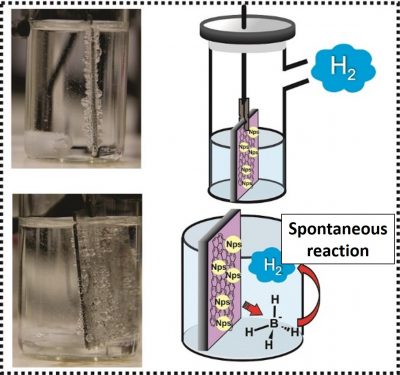
In this reaction, which is performed at room temperature, sodium borohydride (NaBH4) molecules, spontaneously react with water molecules generating hydrogen (H2) molecules. The process takes place in only one step, and is performed with catalyst materials, which accelerate the reaction rate.
“The main contribution of this work is the possibility of H2 generation through thin films of graphene nanocomposites,” says Professor Elisa Souza Orth, corresponding author of an article on the work, recently published in the Journal of Materials Chemistry A (impact factor = 9,931). “Nanocomposites of carbon-based materials and metallic nanoparticles have shown many promising applications and we have shown that for the less exploited borohydride hydrolysis they could also be used efficiently,” she adds.
Among the thin film catalysts produced by the UFPR team, the ones that presented better performance were those of reduced graphene oxide with nickel nanoparticles (rGO/Ni). In fact, this nanocomposite, produced with a relatively inexpensive metal, performed better than most of the catalysts previously reported in the scientific literature, including those prepared with noble metals, which cost much more.
In general, this means that small amounts of rGO/Ni (some tens of mg) generated large volumes of hydrogen (400 ml) in a short time (5 hours).
In addition, the films developed by the Brazilian team presented another important characteristic for a catalyst: they can be easily removed from the reaction vessel, washed and dried without damage, thus allowing their reuse. “In this work, we were able to reuse the same nanocatalyst in 10 consecutive cycles, without losing activity,” says Professor Orth.
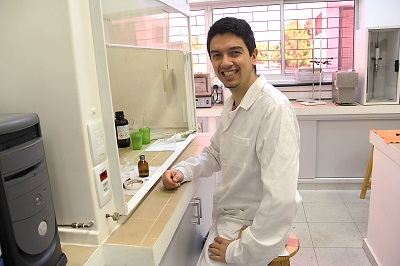
These results were made possible by combining competencies in the production of carbon nanomaterials from the Materials Chemistry Group, coordinated by Professor Aldo José Gorgatti Zarbin, with expertise in catalysis processes of the Catalysis and Kinetics Group, led by Professor Orth. These two UFPR groups have a history of collaboration in the application of carbon materials; initially, in the study of pesticides and, currently, in the development of multifunctional materials with extraordinary catalytic activity.
In addition to the development of catalysts and their application in hydrogen production, the work published in the Journal of Materials Chemistry A included an analysis of the various ways of measuring the catalytic activity of a material. The authors were able to standardize criteria and compare several results obtained in the laboratory and found in the scientific literature. “We have developed a kinetic study that complements the discussion of these complex reactions and can help guide us to a more concise understanding of catalytic activity,” explains Elisa Orth.
The research was carried out under the doctoral program in progress of Leandro Hostert, guided by Professor Orth, and was funded by Brazilian agencies CNPq, CAPES, Araucária Foundation, INCT Nanocarbono, as well as L’Oréal-UNESCO-ABC through the Award for Women in Science (2015 ) and International Rising Talents (2016) received by Elisa Orth.
Featured scientist: Juliana Davoglio Estradioto.
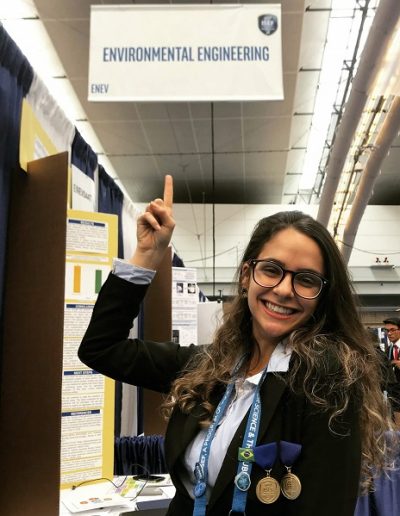
When she was little, Juliana Davoglio Estradioto dreamed of being a singer. Today, at age 18, she has other projects: she will pursue a scientific career. A career she has actually begun. When she was 15, Juliana first came across a scientific article and visited a research laboratory. From that moment, in just three years, she has won dozens of awards in competitions and science fairs (local, regional, national and international) for high school students. Among these distinctions, perhaps the most glamorous one is the one that in December of this year will take her to spend a week in Sweden alongside 24 other young researchers from around the world to attend the 2019 Nobel Prizes ceremony and celebrations in the company of laureates, besides visiting institutions and companies in Sweden and presenting her work to Swedish students.
Juliana was born and raised in Osório, a city of 40 thousand inhabitants, located 100 km from Porto Alegre, in the south of Brazil, surrounded by lakes, mountains and sea. There, in 2015, after finishing primary education in a public school, she enrolled at the Federal Institute of Education, Science and Technology of Rio Grande do Sul (IFRS) – Campus Osório, which had been inaugurated five years earlier, to attend the Technical Course in Administration (secondary education). Created by a law sanctioned in 2008, the Federal Institutes (IFs) are public and free institutions, linked to the Brazilian federal government, that specialize in the provision of professional and technological education from high school to postgraduate level. Extension and research activities are part of the FIs proposal for all levels.
In her first year at IFRS, Juliana was enthusiastic about an extension project aimed at the community of family farmers in the region, with social and environmental bias, coordinated by Professor Flávia Santos Twardowski Pinto. First as a volunteer and later with an IFRS scholarship, Juliana participated in three projects involving research and development over the three years of high school, always guided by Professor Twardowski.
Juliana’s first work resulted not only in the development of biodegradable plastic made from agricultural waste available in the region (passion fruit peel), but also in the creation of an application for this material: a packet for seedlings that does not need to be removed prior to planting. Juliana received several honors for this work, such as 4th place in Environmental Engineering at the largest science competition in the world for high school students, the Intel International Science and Engineering Fair (Intel ISEF) held in Los Angeles (USA) in May of 2017. Another important international recognition was the gold medal obtained at Genius Olympiad, a competition for high school projects addressing environmental problems and their solutions, held in Oswego, USA, in June 2018. At the national level, the main distinction Juliana received was for the work of plastic made of passion fruit– first place in the High School category in the 29th edition of the Young Scientist Award, granted by the National Council for Scientific and Technological Development (CNPq) and partner entities in a ceremony in December of last year, with the presence of the President of the Republic and several other governmental authorities.
At the end of last year, when Juliana graduated from high school in IFRS, she already had a concrete possibility for her undergraduate studies: a scholarship to study at the University of Arizona (USA), received as a prize at Intel ISEF in 2018, for a work she developed on adsorbent materials from agroindustrial residues for the removal of dyes in aqueous suspension. Now, she has at least one more option, since she was approved in the entrance exam for the course of Chemical Engineering of the Brazilian Federal University of Rio Grande do Sul (UFRGS). Will she stay in her homeland? Whatever the decision, the girl’s background makes you think she will be able to take advantage of the opportunities.
See our interview with Juliana.
B-MRS Newsletter: You have just finished High School integrated to Technical Administration. When you enrolled in the course, did you plan to work in the administration area? What led you to participate in scientific research projects?
Juliana Davoglio Estradioto: In order to enter the IFRS – Osório campus, you have to participate in a selective process, and before the process I had to choose between Administration and Informatics. It was very difficult to make that decision at age 14 and I ended up choosing Administration. I never imagined I would do research, much less that it would be on topics so different from what I had seen in the classroom. I find Administration a very important area, but I do not see myself working in the area; now that I am a Technician in Administration, I ended up falling in love with research!
As soon as I joined the course I became very interested in a rural extension project because my family is really involved with the area of agronomy. The coordinator was Professor Flavia and I had to undergo a selection process to enter the project. I remember the 14-year-old teenager who was dying of anxiety, but very excited about being able to do something different from the theoretical classes, since FIs offer a number of opportunities. Soon after, I was being mentored by Professor Flavia and admiring the work she does.
B-MRS Newsletter: Complementing the previous question, how / when did the desire to become a scientist come about? Was participation in the competitions important in this process?
Juliana Davoglio Estradioto: When I was a kid I liked to climb trees, observe insects and stay in touch with nature. However, throughout childhood we learn to be more restrained and our investigative spirit diminishes. So I never had the urge to be a scientist even though I was curious when I was a child. My childhood dream was to be a singer! And so I say that science chose me and not the other way around. I never imagined that it was going to be something I would be so passionate about. When I joined the Federal Institute, I got involved in projects and had a teacher who really encouraged me to follow in that area. Contact with science helped me face a difficult personal moment, made me want to be a better, more determined person, and determined as a scientist. Participation in science fairs was more important in my personal construction and helped in developing my communicative skills and empathy, while interaction in the laboratory and the willingness to do research showed me that I want to do this for the rest of my life.
B-MRS Newsletter: On the development of biodegradable plastic from passion fruit waste, briefly tell us the path taken, from idea to material and application. Have you consulted many scientific articles? Have you exchanged ideas with other researchers? Which labs did you use?
Juliana Davoglio Estradioto: The project of biodegradable plastic from the peel of passion fruit arose from a problem I had observed in my region from the rural extension project I participated in the first year of high school: that the fruit processing industry generates waste, seeing that in the passion fruit the residues correspond to 70% of the fruit. I wanted to bring a use to that peel and Professor Flavia was instrumental in motivating and stimulating me to go after a solution. We talked about ideas for the use of the peel and then I discovered what scientific articles were. It was a frightening because I was 15 years old and had not had any contact with articles until then. Articles are a more academic means of communication and I had to figure out a lot of things before I could read them because my high school classes were basic and management-oriented. I had to learn a lot about Chemistry and Biology before I could understand the articles, I talked to other researchers and consulted my advisor. In the middle of the project development (when it was all going wrong ahahahaha), we found by coincidence that my advisor’s first teacher, Simone Hickmann Flôres, was working with biodegradable plastic films. So, it was possible to use some laboratories from the Institute of Food Science and Technology of the Brazilian Federal University of Rio Grande do Sul to make more complex analyses, while I continued to do the research in the baking laboratory of the Osório campus (the only one available at that time). When I had good plastic samples, I began to question myself about the application I could give the material. And that’s when I remembered the visits to the farmers, where I had seen seedlings wrapped in black plastic (low-density polyethylene). I wanted to replace this material with my biodegradable plastic and it was quite difficult until I got to a packaging for seedlings. The coolest thing of this application is that the packaging can be planted together with the seedling, avoiding waste generation.
B-MRS Newsletter: In 2018 you started working on another project related to the development of a material from agricultural waste, also coordinated by Professor Flavia. Could you summarize what this work is about and its development status?
Juliana Davoglio Estradioto: The project began from the demand of one of the largest agro-exporters of macadamia nut here in Brazil, and nut is on the rise in the world market. Processing the fruit to obtain the nut that is marketed generates an agroindustrial residue which is the macadamia nut bark. This bark is normally intended for landfills or for the combustion and production of energy. What I wanted to do was a biotechnological application, so my hypothesis was whether it would be possible to use the agroindustrial residue of macadamia nut in the synthesis of a polymeric biomembrane. The project is still being developed and improved, I have already been able to prove my hypothesis in a positive way and I am looking to improve the appearance of biomembranes.
B-MRS Newsletter: To what factors and competencies do you attribute the success your work has had in national and international awards?
Juliana Davoglio Estradioto: I believe that my life would be completely different if I had not studied at the Federal Institute of Rio Grande do Sul, because it provides several opportunities that unfortunately are not yet offered in other elementary schools. Being a student of IF and guided by Professor Flavia made my view on education and science to change, I am very grateful for understanding the transformative role they have played in my life and in many other Brazilian realities.
B-MRS Newsletter: Your career in scientific research began with a lot of attention. What are your plans, from a professional point of view, for the next few years or the next decades of your life?
Juliana Davoglio Estradioto: I intend to continue researching in the areas that I am passionate about and to be a scientist, I really like the natural sciences and I believe I will never be able to abandon it. I want to work on themes that focus primarily on sustainability, because we need to find alternatives for the impacts we are causing on all ecosystems. However, besides being a researcher, I intend to work with education and scientific dissemination.
B-MRS Newsletter: When googleing your name, one can guess your life has changed a lot recently. There are many interviews in all types of media, travels, presentations, awards, formalities, congratulations from politicians and admirers … How do you deal with this change?
Juliana Davoglio Estradioto: It is a very positive change and it represents a lot to me at this moment, because I feel responsible for the dissemination of girls doing research in high school. These are activities that give me pleasure and believe we need to encourage other young people so that they see the scientific career as a possibility and an opportunity.
B-MRS invites the scientific community to submit abstracts to the XVIII B-MRS Meeting.
|
||||||||||||||||
|
||||||||||||||||
|
B-MRS member is named associate editor of international journal of Inorganic Chemistry.
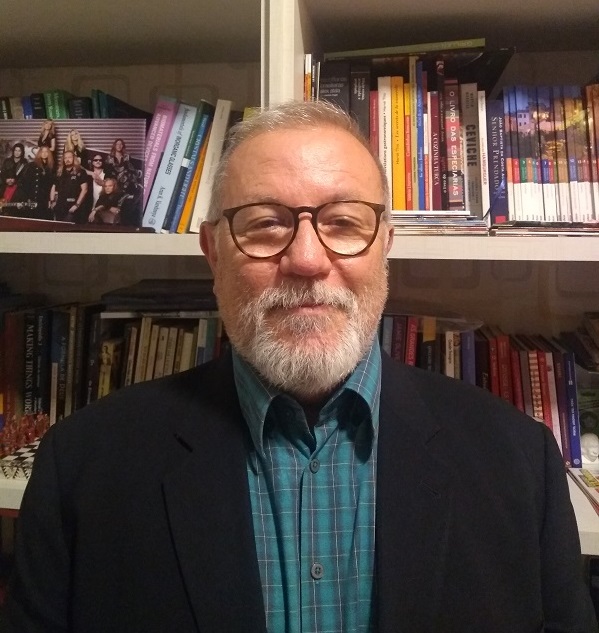
Professor Sidney J. L. Ribeiro (IQ-UNESP – Campus de Araraquara), member of B-MRS, was appointed associate editor of the journal Frontiers in Chemistry – Inorganic Chemistry.
Frontiers in Chemistry, whose impact factor is 4,155, is a journal of Frontiers – a publisher that publishes peer-reviewed scientific articles in the open access modality. With only a decade of existence, Frontiers currently occupies 4th place in the ranking of publishers with more citations per article.
Professor Ribeiro served as review editor in the journal and now he works as associate editor. He is also a member of the editorial board of the Journal of Non-Crystalline Solids and the Journal of Sol-Gel Science and Technology, both Elsevier editions.
New University Chapter established at UFPE.

The University Chapters (UCs) program of B-MRS begins 2019 with a new member, the UC of the Brazilian Federal University of Pernambuco (UFPE). With the creation of this unit, the program will have nine UCs distributed in the south, southeast, northeast and north of the country.
The interdisciplinary team of the new UC brings together 15 students (three undergraduate, five masters and seven doctoral students) from courses in Chemistry, Biological Sciences and Materials Science at UFPE. The tutor of the unit is Professor Petrus d’Amorim Santa Cruz Oliveira.
“What motivated us to create our UC was the need to explore the world of Materials Science, reinventing new ways to broaden and bring people from all parts, thus diversifying and strengthening our education more and more,” says Karolyne Santos da Silva, president of the UC. “Our highest expectation is to awaken young people to science, showing that there are possibilities to be innovative and have the opportunity to undergo new experiences with other researchers,” adds the doctoral student in Materials Science.
In the context of B-MRS’s UCs program, the team initially plans to hold a series of events: a holiday course, the 1st Meeting of Materials Science and Engineering of Pernambuco and annual workshops.
Get to know B-MRS’s UCs Program and the nine units it has so far in the states of Minas Gerais, Pará, Pernambuco, Piauí, Rio Grande do Sul and São Paulo: https://www.sbpmat.org.br/en/university-chapters/
B-MRS Newsletter. Year 6, issue 1.
|
||||||||||||||||||||
|
||||||||||||||||||||
|
Featured scientist: interview with Prof Daniel Mario Ugarte.
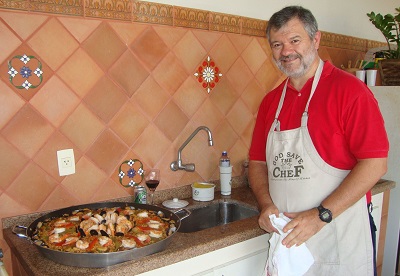
Daniel Mario Ugarte was born on March 23, 1963 in Cosquín, a small town in the mountains of the province of Córdoba (Argentina). He grew up in a family environment that was very stimulating to curiosity, learning and experimentation. After completing his elementary and secondary education in this city, he studied physics in the province’s capital, at the National University of Cordoba, the oldest in the neighboring country (founded in 1613). After graduation, he completed an internship in transmission electron microscopy at Université Paris-Sud, France, where he ended up doing his doctorate in nanoscience subjects (although at that time the “nano” prefix was not yet widely used). Ugarte received his Ph.D. in physics in 1990. He moved to Switzerland where he completed a post-doctorate internship lasting about three years at the École Polytechnique Fédérale de Lausanne (EPFL). There he continued to do nanoscience and nanotechnology and obtained results with great academic impact, notably the “nano-onions of fullerene”, which earned him, at the age of 29, his first article in the journal Nature, signed by him alone and highlighted in the cover of the issue. This paper, which today has more than 2,000 citations, would be the first of six articles published by Ugarte in the two main scientific journals of the world (Science and Nature), among dozens of publications in specialized scientific journals, also of very high impact, such as Nature Nanotechnology, Nano Letters, Physical Review Letters, among others.
In 1993, for personal reasons, Ugarte went to live in Brazil, and began to work with the team that was beginning the construction of the National Synchrotron Light Laboratory (LNLS) at the current site, in the city of Campinas (São Paulo state). It was in this context that he was able to make real his idea of constructing an electron microscope laboratory for research and training really open to the entire scientific community, including students. The Laboratory of Electronic Microscopy began its activities in 1999, directed by the Cordoban scientist, and was the seed of the current National Nanotechnology Laboratory (LNNano). Between 1994 and 1998, Ugarte also served as visiting professor at EPFL. In 2004, he left LNLS to take up the position of associate professor at the Gleb Wataghin Institute of Physics (IFGW), State University of Campinas (UNICAMP). Since 2007, he is a full professor of this institution. In addition, from 2004 to 2007, Professor Ugarte coordinated a research network on nanomaterials, NANOMAT, which included 23 institutions and 150 researchers.
Throughout his scientific career, Daniel Ugarte has delivered more than 100 invited lectures at international scientific events and received several prestigious awards for his exceptional academic contributions, such as the Prix Latsis Universitaire EPFL (Switzerland, 1994), the John Simon Guggenheim Fellowship (USA, 2002), the Scopus Brazil Award from Elsevier and CAPES (Brazil, 2008) and the Physics Award from The World Academy of Sciences, TWAS (Italy, 2018). In 2012, Ugarte was elected a member of the Brazilian Academy of Sciences (ABC). In addition, several students guided by him received prizes for their PhD theses, granted by the Presidency of the Republic, CAPES, the Brazilian Society of Physics (SBF) and the IFGW – UNICAMP.
Daniel Ugarte is the author of more than 100 articles published in international peer-reviewed journals. According to Google Scholar, his academic production received more than 16,600 citations and his h-index is 43.
Take a look at our interview with this founding member of B-MRS and learn more about his life story, his key findings, his criticisms of some trends in how to make science and his message to younger researchers.
B-MRS Newsletter: – We would like to know how / why you became a scientist. When did the desire to be a scientist come to you?
Daniel Ugarte: – I was born in Argentina, with the genetic information typical of that country: mother of Italian origin, and father of Spanish origin (Basque, to be precise), but trying to be English (I love rugby). I think the example of my parents’ curiosity, work, and varied interests had a majority influence on my choices. I was born and raised in a town in the middle of mountains in Argentina (the town of Cosquín, with approximately 10,000 inhabitants, in the province of Córdoba). My mother was a teacher of elementary school and always tried, with very scarce financial resources, to obtain books to continue studying and improve her classes (at that time there was no internet); we read together these new texts of history, dinosaurs, etc. My father, even though he attended school only until he was 12 years old, was always very curious and active. He did everything as an amateur and self-taught; very active, he was an actor, a painter, a musician, he repaired everything, made keys etc. Curiosity and childish spirit were always with him: every new thing, he wanted to dismount to see how it worked. If I had to define his profession, I would say that he made publicity posters. In his workshop, all the equipment was built by himself. In that room of constant mess, I played drilling irons, soldering wires, cutting wood, hammering things. We had few luxuries, no expensive toys, but there were always books, and I did very unusual things (supervised by my parents) in the eyes of other children, such as model airplanes, galena radios, a telescope, etc. With my mother, we always cooked new recipes (gnocchi, cakes, alfajores, sweets, etc.); at 10 years old, every Sunday at noon, I prepared the family barbecue. These experiments of chemistry and heat were very instructive (and tasty), flavors and aromas that I still try to reproduce accurately today. Finally, to complete, I was lucky enough to have some ease with logic and mathematics, which was in evidence when I went to school. I have to thank the Science and Mathematics teachers who worked hard to keep my motivation in that little town so that I could grow and develop this incipient talent. I think that with this childhood, the dream of doing science and working in a laboratory (or a kitchen) making discoveries and building wonderful instruments is the most natural consequence of the world (I must clarify that outside the laboratory my main hobby is to cook).
B-MRS Newsletter: – Briefly tell us what led you to work in the field of nanosystems.
Daniel Ugarte: – In fact I arrived in the “nano” world through electron microscopy. At the Universidad Nacional de Córdoba I studied physics, much more interested in the experimental profile and in the laboratory work using the hands. In the course, you must do a final dissertation to obtain your diploma. Among the various options of the Institute of Physics, I preferred to do a project associated with scanning electron microscopy and X-ray spectroscopy. A pragmatic choice aiming at having more employment options after my graduation. At that moment, I was lucky, an opportunity arose to go to France to do an internship in transmission electron microscopy, and after arriving there (Laboratoire de Physique des Solides, Université Paris-Sud, Orsay), I was invited to do a doctoral thesis to study the excitation of surface plasmas in small particles (in English at the time they were “small particles”, not “nanoparticles” as it is today). The term “nano” did not yet exist, and “plasmon” was only a curiosity (today it is one of the most active nanoscience themes). Once I finished my thesis, I was able to get a postdoctoral fellowship in Switzerland, in one of the first institutes to focus on the new properties of particle size reduction (Institut de Physique Experimentale, Ecole Polytechnique Féderale de Lausanne). In short, I started in the nano embryos and always continued to study small systems with high spatial resolution techniques associated with transmission electron microscopy. The atomic or nanometric resolution of this technique is imperative for basic or technological research in nanosystems, and expensive microscopes have become symbols to display the richness of each “nano” program.
B-MRS Newsletter: – What are your main scientific and technological contributions to the Materials area in your own assessment and why do you consider them to be the most relevant?
Daniel Ugarte: – Carbon nanostructures (fullerenes, nanotubes, graphene) represent a typical example of nanomaterials with novel properties. Considering dates, fullerenes were discovered in 1986, the solid of fullerenes in 1990, the nanotubes in 1991. Working in Switzerland in 1992, I accidentally observed that by irradiating carbon materials with the electron beam of a transmission electron microscope, everything turned into “fullerene onions” (concentric graphite spheres, like a Russian doll). This experiment generated a new member for the newly discovered fullerene family, and the work had an incredible repercussion worldwide. However, the interesting thing was that this was not my postdoctoral project, which was a research focused in the study of electronic diffraction of metallic nanoparticles. In Lausanne we had a complete microscopy lab with all the border equipment. And I noticed that no one wore them at night, so I decide to go and play there … to make exploratory, innocent, alternative experiments and, unintentionally, the onions appeared …. But when I first spoke of the results no one believed; a reviewer for the prestigious journal Physical Review Letters said that my data was as ridiculous as cold fusion (a highly controversial subject at that time); that was an insult of the worst level. But I kept defending my job, I got the same results over and over again, and they were the truth. I continued presenting the result in the conferences; I survived many violent and humiliating comments. To make things a bit out of the paradigm one must have “hard leather”. Finally, with the unexpected and spontaneous support of Sir Harry Kroto (who received the Nobel Prize in Chemistry in 1996), who did not know me and never spoke to me, my article was published in the journal Nature. I was less than 30 years old, very innocent, and I was very surprised by the enormous interest of the media; I reported to many countries, among them Japan, Germany, etc. It felt like the world was falling on my head. With naive (unpretentious) and out of context experiments done at night with advanced instruments, I had created work options that knocked on my door. However, at the moment, to the surprise of my French and Swiss colleagues, I took an alternative route, and in 1993 I choose to live in Brazil for personal and family reasons.
A few years later, in 1995, we were on a Saturday afternoon at the laboratory in Lausanne, making brainstorming proposals with my friend Walt de Heer (an incredible scientist considering depth and creativity). We decided to test one that came up there at the time: using carbon nanotubes (the tip is really thin) to produce a source of electrons. We put together a hydraulic press, plumb-type teflon tape, microscope grids, old mica, some lab things (vacuum chamber, oscilloscope, etc.) and set up something awful, dirty, grotesque, completely improvised, and … it worked !!! . The result was published in the journal Science. This experiment created a new area of applied research for the carbon nanotubes that several industrial laboratories tried to explore; until today it is an active area of research. Again, in my way, another innocent experimental proposal, but creative and relaxed (in this case the result was not accidental, but planned), which captured the interest of the international technological community.
In my group in Brazil, I decided to invest in a new line of research based on an irreverent experiment proposed in Spain by a researcher called Costa-Kramer (Nanowire formation in macroscopic metallic contacts: quantum mechanical conductance tapping a table top, Surf. Sci. 1995). If we add two pieces of gold and then separate them, at the end a very thin yarn (as with chewing gum) is formed which may even have an atom of diameter. By measuring the electric current through this wire during elongation, we can study quantum effects in electrical conduction by nanostructures. In Campinas, my student Varlei Rodrigues (who later received the SBF Prize for Best Doctoral Thesis in Physics in 2003) built an instrument specifically designed to carry out this study with high precision in ultra high vacuum (UHV) conditions. Later we were able to make electron microscopic images of the atomic arrangement of the wires generated by mechanical elongation and also theoretical calculations in collaboration with the group of Douglas Galvão. From this information we could understand in detail our experimental measurements; from these results I was invited to give almost a hundred lectures at international conferences. I believe that these results were very important from the Brazilian point of view, since all the research was done in the country: ideas, advanced experiments, construction of specific scientific instrumentation, theoretical calculations and understanding. In addition to the scientific impact, the research on metallic nanowires represents an important achievement, as it allowed us to show, by example, that competitive experimental nanoscience studies can be done in the country, combining work with originality and a certain degree of risk.
Speaking of results feeds our ego (the little Argentine that we all carry inside …); another aspect of our contribution to society comes when our effort is dedicated to community growth, in particular to raise the level of science in the country. In this sense, I would like to recall one of the most comforting works of my career: the idealization and creation of a multi-user electron microscopy laboratory in Campinas. This project had the constant and unconditional support of the LNLS directors at the time (Cylon da Silva, Aldo Craievich and Ricardo Rodrigues). Finally, the microscopes were acquired with resources (many resources !!!) from The São Paulo Research Foundation (FAPESP). From the initial idea, I worked so that the laboratory was open and available to Brazilian researchers (not in intentions, but in reality) and also had the training of human resources as a focus of their activities. Contrary to the general opinion of the community, in the microscopy laboratory all the observations were made by the undergraduate or graduate students involved in the projects, after a training process. Many students learned to work, and the instruments did not break at all, but we had to give ourselves the time to teach the interested researchers. This mode of operation aimed at avoiding the feudal system (“lord of instruments”) or application of psychophanism. I stayed in this lab until 2009. This laboratory grew and became what is now called the National Nanotechnology Laboratory (LNNano).
B-MRS Newsletter: – You have an unusual amount of articles published in high-impact journals (Science, Nature, PRL …), especially in the context of developing countries. To what factors and competences do you attribute this characteristic of your scientific production?
Daniel Ugarte: – In the previous question I tried to give several examples of some important moments of my scientific activity. Workload, much study, and the courage to take risks were essential to make daring and original experiments. But there is one thing I always try to teach my students: if we do a project, he must bring a relevant contribution (if it works …). If any publication is generated, it has to contribute with new knowledge, not of a lie, but of truth. We will not only choose research topics that generate quick results; probably our study will take time, we will have to understand and deepen in a lot of new thing. We may even need to develop tools / software to answer the scientific question. And my students ask: Will it work? I say, I do not know, if I knew it would work out, it would not have any emotion, but I can guarantee that you will grow a lot and get a solid background. For example, in the topic of gold nanowires we had to respond to comments (from a competitor) on what happened to mechanical elongation at low temperature. For this, we needed to perform an extremely challenging experiment and try to observe the mechanical deformation of nanowire in situ inside the microscope at low temperature with atomic resolution using a sample holder in liquid nitrogen. The student who came across the project (Maureen Lagos, who later won the CAPES thesis award in 2012) asked me: Will it be difficult? What do you think? My answer was: I think it will not work, but to answer this to the community we must test if it works or not, go, try to do your best and good luck (you will need a lot …). To my surprise, he got the measurements, very difficult and time consuming; these studies made here in Brazil receive until today (10 years later) many praises and recognition in the scientific community.
Another aspect, other than risk or daring, is quality; every student or colleague who worked with me knows that we always do the best we can, we don´t have “more or less”. Only the best is accepted, or you have to do the experiment again until you get the highest quality. Some students hate me, but recently an alumnus of UNICAMP (now a professor in the United States) published an article in the journal Nature, and sent me a message thanking me, because today he gives great value to what he has learned with me about drawing his limits. To give total quality to all the study content, in the experiments – which are the basis in our group -, in the theoretical study, in the interpretation, in the modeling, etc. As in all professions, we build our reputation over the years, and it may be prestigious or not. It has always been a pride for my group that our colleagues and competitors receive our works with attention, believing that we have done our best for each published result (but they not always agree with our conclusions / interpretations … as everyone we have many articles rejected).
When I was part of the committee that analyzes projects at CNPq, I was surprised by the number of Brazilian researchers who publish more than, say, 50 articles a year, some of them having high administrative or management positions in Brazilian teaching or research institutions, which requires concentrated effort 24 hours a day. Considering my ability to do research, I find it totally impossible to think about producing almost one publication per week !!! And that if I stayed in the lab all day with the students. At this point I would like to return to the concept of quality, considering the number and the scientific contribution of articles generated by a group or researcher. We can assume that it follows a statistical distribution with Gaussian form described by two parameters with a mean and a width (notes from 1 to 10). I know researchers with a little incoherent production, able to do the best (work note 10), and at the same time, the worst (some papers deserve very low grade, say 1-2). Let´s consider a hypothetical group in which the average contribution to knowledge per publication is good / very good (average 6 or 7), and several dozen publications are generated. Statistically, you must publish a high-quality (top-of-the-distribution and far-out-of-the-middle) article that will get community recognition (hopefully, published in a high-impact magazine). But if you make 100 publications a year and none reaches a certain relevance in your area, our simple statistical model indicates that the average contribution of your work should be moderate. In addition, the width of the distribution can also be moderate; in this situation, the production / work is consistent, in a narrow range of quality level. The causes can be varied; in some cases, it is reasonable to associate a moderate contribution to, for example, the researcher’s youth, poor infrastructure or limited funding. The critical point is when the problem is at the root, and the causes of moderate quality are associated with scientific / technical targets of minor importance and low risk. What to expect from an environment where both funding agencies as well as the researchers themselves (not only the agencies’ fault) accept that this serious disability can be fully compensated for by the number of publications? The result will be that the numbers will increase, but the impact will decrease.
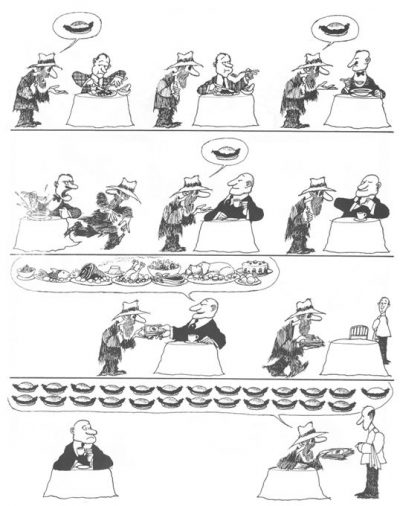
Maybe I’m irresponsible, stubborn (Basque roots help), but my work over the years has followed certain standards. I prefer to make a high-gastronomic dish (sometimes half-burned) than to make hundreds of rice and beans dishes. I prefer to do less things and not have numerous irrelevant publications involving work that did not include any risk (I also have these jobs), and so take the time to update myself, challenge myself, study and see things out of my main interest. So I have the opportunity for new ideas, innocent, irresponsible, that with luck will work. It is important, first, to have clearly in mind what new / different thing we are going to do in our research; if there is nothing new / risky, how will the contribution to the generation of knowledge be? In fact, this line of thinking is not very popular if we look closely at most of the projects funded in the Brazilian community (however, many discourses and plans define it as essential). On the contrary, viability is often more important than relevance and originality. We could also mention other issues that make it difficult to increase the relevance of nanoscience research in Brazil, such as experimental physics, scientific instrumentation, multidisciplinarity, where the contrast between discourse and reality gives great sadness. As in gastronomy, I prefer “slow food”, a good dish, good wine and time to enjoy. We must stand up against “fast science” (short-term projects), as this is leading to shallow-knowledge.
It is sad to see the evolution of Brazil, the numbers grow, the impact decreases … Many can see positively the publication in journals of high impact, but not everyone agrees. Let me give you an example. I decided to study some new subjects where I consider that there are opportunities for very original and interesting things. To ask deeper questions, one must understand. Learning takes time … So, my activity report had problems to be approved for low productivity: I did not reach the average. I have never had much diplomacy or political skills, so joining all my revolt, and being Argentine and Basque at the same time, I wonder: am I terribly inefficient and should I retire, which at least allows me to maintain my spirit, my freedom and form of work intact? There are many discourses on how to stimulate cutting-edge research and train researchers; I think my way of contributing is to work “in my own way” and to give an example to anyone who considers it valid.
I cannot forget to thank CNPq’s Universal system, where I know I can always send crazy ideas, and the review system respects my story and relies on my “irresponsibility”. It’s little money (if compared to international standards), but I get a lot of freedom !!!, and that’s essential to be creative!!!
B-MRS Newsletter: – Now we invite you to leave a message for readers who are starting their scientific careers.
Daniel Ugarte: – Scientific work requires being dreamy and passionate, a lot of effort in study and work. We have to be able to associate knowledge, originality, infrastructure, technical ability, etc. I think it is very important to show young people that it is possible to dream and do cutting-edge research in Brazil. The scientific milieu can be very aggressive, but we must be clear that merit is the most important parameter, and that although the research environment is extremely competitive, it is essential to develop our activities while maintaining the human qualities, professionalism and ethics.
Throughout a scientific career we must face many different situations. My academic life in Brazil had many stages, some were resplendent, with work, challenges, productivity and with excellent and motivated students (the laboratory was paradise). But I also experienced very sad, disappointing stages associated with local mediocracies. However, the stones thrown in our path have been completely overcome by our work, our results and our ethics. Always, always, merit and competence will win in the game of science.
Featured paper: Nanoclays to overcome toxicity.
[Paper: Reaching Biocompatibility with Nanoclays: Eliminating the Cytotoxicity of Ir(III) Complexes. Malte C. Grüner, Kassio P. S. Zanoni, Camila F. Borgognoni, Cristiane C. Melo, Valtencir Zucolotto, and Andrea S. S. de Camargo. ACS Applied Materials & Interfaces 2018 10 (32), 26830-26834. DOI: 10.1021/acsami.8b10842.]
Nanoclays to overcome toxicity
Working in laboratories of the São Carlos Institute of Physics (IFSC – USP), a scientific team developed a strategy that eliminates the cytotoxicity (ability to destroy cells) of a group of compounds with very interesting photophysical properties for health applications . The study made viable the use of these substances, once toxic, in the study of living organisms and in the diagnosis and treatment of diseases. In addition to eliminating cytotoxicity, the strategy modifies some properties of compounds by adding new functions that can be harnessed for intracellular oxygen sensing and to improve the efficiency of luminescent devices such as OLEDs.
The work was reported in an article recently published in the journal ACS Applied Materials and Interfaces (impact factor 8,097).
It all started in an informal conversation between three postdoctoral fellows linked to IFSC-USP laboratories: Malte C. Grüner and Kassio P. S. Zanoni, both linked to the Laboratory of Functional Materials Spectroscopy (LEMAF), and Camila F. Borgognoni of the Group of Nanomedicine and Nanotoxicology (Gnano). Zanoni had worked with iridium (III) complexes during his doctorate, and wanted to take advantage of some properties of these compounds to use them as photodynamic therapy agents. Such therapy refers to a set of treatments for diseased tissues, such as those affected by cancer, in which an external radiation source is used for the activation at the appropriate time of a compound inserted into the body, which is responsible to destroy the cells that need to be eliminated.
The post-doc Zanoni’s desire, however, came up against the high cytotoxicity of iridium (III) complexes. The postdoc Grüner then had the innovative idea of trying to use laponites (materials he had studied in his doctorate) to inhibit the cytotoxicity of the compounds. From this idea, Grüner and Zanoni carried out the preparation and characterization of the materials in LEMAF, coordinated by Prof. Andrea S. S. de Camargo. At GNano, coordinated by Prof. Valtencir Zucolotto, the post-doc Borgognoni and the student Cristiane Melo were in charge to investigate the interactions of the nanoparticles with the cells.
Strategy and applications
One of the main properties of iridium (III) complexes is their intense luminescence (emission of light not resulting from heat) in a wide range of colors. This feature may be useful for illuminating cells within living organisms in bioimaging techniques, used for both research and for diagnosis and treatment of diseases.
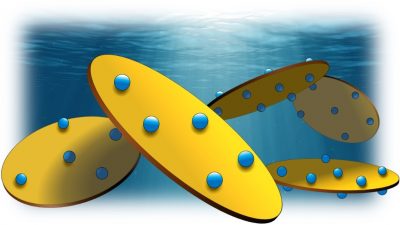
In turn, laponites, which are synthetic nanoclays fully compatible with living tissues, have often been proposed in the scientific literature as nanoplataforms for transporting drugs and other compounds within living organisms. The laponites are about 25 nm in length and only 1 nm in height.
In the work of the IFSC-USP team, a new material was developed as a result of the adsorption of iridium (III) complex molecules on the surface of laponite nanodiscs.
The researchers found in the laboratory (in vitro) the ability of the new material to be absorbed by cells, its luminescence within cells and its low citotoxicity. For this, they used liver cells and observed their interaction with the new nanomaterial, comparing it with the interaction with the pure iridium (III) complex. The results were highly favorable to iridium (III) laponite nanodiscs, which proved to be harmless to the cells, besides presenting good penetration and high luminescence – characteristics that make them very suitable for application in bioimaging techniques.

“In this work, it was demonstrated for the first time that the adsorption of iridium (III) complexes (in general, highly toxic) on the surface of laponite nanodisks is capable to completely extinguish the cytotoxicity of these compounds “, summarizes the post-doc Kassio Zanoni , who in 2017 was the winner of B-MRS Young Researcher Award. “This makes it highly feasible to use previously toxic compounds in cell media without impairing the integrity of the medium and therefore has the potential to expand the research of new biocompatible materials for use in cell mapping, theranostics and photodynamic therapy”, he adds.
According to the authors, the new nanomaterial could act as a photodynamic therapy drug, since, when irradiated with certain types of radiation, it produces a molecule (the singlet oxygen) that acts in the destruction of cancer cells. In this way, the nanomaterial also becomes promising in the field of theranostics, which proposes the combination, on the same platform, of the diagnosis of diseases by bioimaging with its cure through photodynamic therapies.
In addition, the nanomaterial can be used as a sensor to accurately determine the amount of oxygen distributed inside a cell. “As demonstrated in our work, the emission intensity of this nanomaterial is a variable as a function of the concentration of oxygen”, justifies Zanoni.
Finally, the nanomaterial, in the form of a thin nanometric film, could also be applied to organic light-emitting diodes (OLEDs) – devices that are already used, for example, in cellular screens. “This is because the iridium (III) complex adsorbed on laponite aggregates photophysical, photochemical and electrochemical properties that are strategic for the development of more efficient devices”, explains Zanoni.
This research was carried out with funding from The São Paulo Research Foundation (FAPESP).