
Sunday of Short Courses: from Microfluidics to Forensic Science
October 1, 2023, Sunday morning. We are in Maceió, capital of the Brazilian state Alagoas. The city will host, for the first time, the B-MRS Meeting, an annual international event organized by the Brazilian Materials Research Society (B-MRS/ SBPMat) that has already been held in 12 cities in Brazil. The meeting will be held at the Ruth Cardoso Cultural and Exhibition Center – a space that hosts fairs and conferences as well as cultural presentations of all sizes.
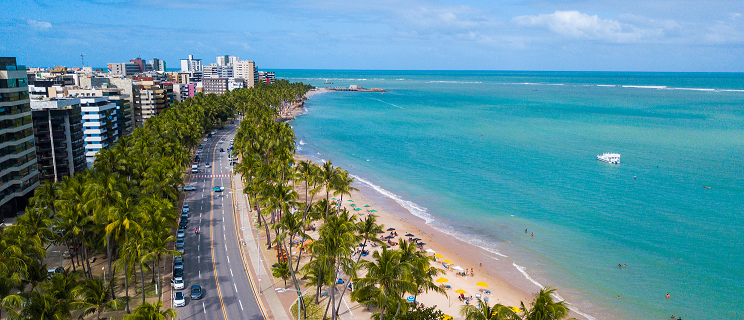
Around 10 am, dozens of people enter the convention center and head to the Ipioca room, on the first floor. The name evokes one of the beautiful beaches in Maceió, but, on this hot Sunday morning, these people exchanged a possible tourist trip for participation in the short courses that the XXI B-MRS Meeting offered, at no additional cost, to those registered for the event.
In this edition, for the first time, the pre-event program began in the morning, with the mini-course on research in Microfluidics. Given by professor Glauber T. Silva, from the Federal University of Alagoas (UFAL), the two-hour course showed how the development of specific materials is essential to the advancement of microfluidics, especially for the development of technologies known as “lab-on-a chip”, which integrate, into small portable devices, all the analysis steps that normally require complete laboratories and qualified teams to, for example, diagnose diseases.
At 1:15 pm, in the same room, the traditional Young Researchers’ School began – a tutorial by Valtencir Zucolotto, professor at IFSC-USP and editor of two scientific journals. The tutorial aims to help participants develop skills for high-impact research and publication in the best journals of the field. The course, which lasts around two hours, also includes tips on how to prepare to apply for a position at the university.
At the end of the afternoon, the last mini-course of the XXI B-MRS Meeting addressed the development of materials for forensic investigation. Professor Adriana Santos Ribeiro (UFAL) and the Federal Police Criminal Expert Alexandro Mangueira Lima de Assis, who is also a professor at UFAL, spoke about the materials that can help find evidence at a crime scene and analyze it.
In total, more than 320 people participated in the mini-courses, which opened up perspectives for training and professional activity.

Opening of the event: unity to face humanity’s greatest challenges
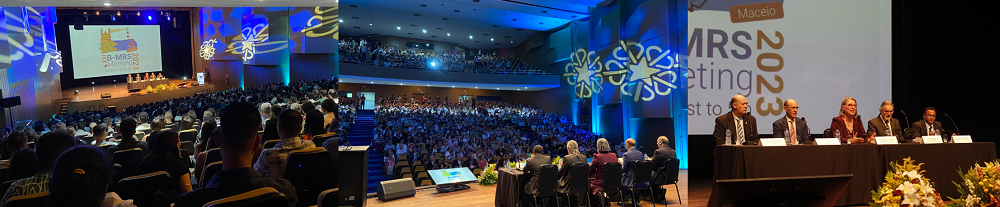
Still on Sunday, at around 7 pm, the convention center theater, decorated with blue lighting, began to receive hundreds of people who arrived to attend the official opening of the XXI B-MRS Meeting. Thus, when professor Ivan Bechtold, financial director of B-MRS who acted as master of ceremonies, took the floor, more than 1,000 people occupied the main audience and the theater’s mezzanine.
At the opening table sat professors Josealdo Tonholo, rector of UFAL, Osvaldo Novais de Oliveira Junior (IFSC-USP), president of the International Union of Materials Research Societies (IURMS) and Monica Cotta (IFGW – Unicamp), president of B-MRS, in addition to the event chairmen, UFAL professors Carlos Jacinto da Silva, from the Institute of Physics, and Mario Roberto Meneghetti, from the Institute of Chemistry and Biotechnology.
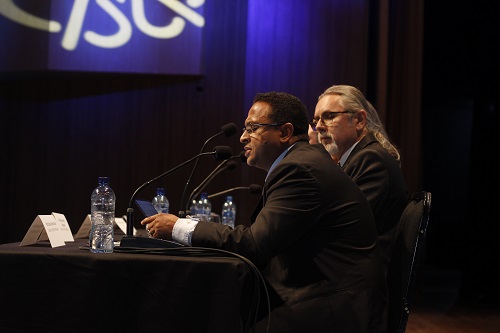
In her speech, Professor Cotta highlighted the multidisciplinary nature of the B-MRS Meeting, which always includes chemists, physicists, engineers, dentists, biologists… “We need quality science, no matter which area, the tag” she said. The B-MRS president, who is at the end of her second term, also expressed her satisfaction at holding the last event of her mandate in the Northeast of Brazil “which voted against the government that denied science”, she said, referring to the results of the 2022 presidential election.
The rector of UFAL returned to this topic in his speech. “It’s great to meet this people after the pandemic and after the assassination attempt of STI in the country”, expressed Tonholo, who, as a researcher, has already carried out several works in the field of Materials.
Representing IUMRS, an entity that brings together materials research societies from all continents, Osvaldo Novais de Oliveira Junior highlighted the importance of empowering global organizations to overcome humanity’s major current problems, such as wars and climate change. “We need to walk together,” he said.
In turn, Carlos Jacinto da Silva focused on the importance of materials science in addressing the most urgent problems. “From sustainable energy solutions to advanced healthcare technologies, our field is at the forefront of innovation and progress,” he said, and called for unity. “Together we have the power to shape a sustainable future, and I have no doubt that the discoveries and collaborations that emerge from this conference will leave a lasting impact,” said the chair.
“May this event catalyze new collaborations and consolidate old ones”, said Mario Roberto Meneghetti, at the end of the opening of the XXI B-MRS Meeting.
Memorial Lecture for Gilberto de Sá
Afterwards, Sidney José Lima Ribeiro, professor and director of the Chemistry Institute at Unesp, was invited to take the stage to represent the great honoree of the night: Gilberto Fernandes de Sá, professor emeritus at UFPE, who was unable to be present due to health problems.
Gilberto de Sá was chosen to give this year’s Joaquim da Costa Ribeiro Memorial Lecture, an honor granted by B-MRS to senior researchers with an outstanding career within the Brazilian Materials research community.
The honoree was responsible for creating, in 1975, the UFPE Rare Earth Laboratory, the cradle of impactful research in the area of rare earth spectroscopy, luminescent materials and, more recently, advanced photonic materials. Furthermore, he was one of the founders of the university’s Department of Fundamental Chemistry, created in December 1982.
In the Memorial Lecture file, Professor Gilberto highlights the lasting collaborations he established with renowned researchers around the world, such as Professor Larry Thompson, from the University of Minnesota-Duluth, and the outstanding Brazilian researchers he helped to train – among them, Professor Sidney Ribeiro.
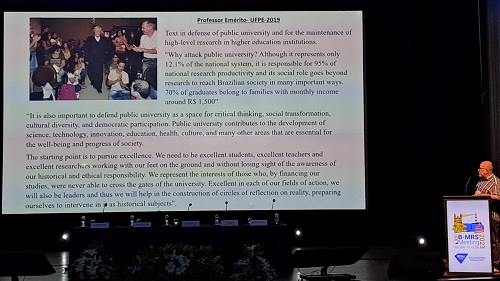
In a brief and humorous presentation, Ribeiro spoke with affection and admiration of his former doctoral advisor and shared with the public a document written by Professor Gilberto and distributed by him in 2019, at the ceremony in which he received the title of Professor Emeritus from UFPE. At a time when the public university was the target of repeated verbal and budgetary attacks by the Bolsonaro government, Professor Gilberto made public his defense of the institution.
After the Memorial Lecture, participants went to the foyer of the convention center to have, in many cases, the first conversations of the week with collaborators and friends from the most diverse parts of Brazil and the world.
Round Table with the ministers of science and technology from Brazil and Portugal
The first session of the event, on Monday morning, was totally different in this edition of the B-MRS Meeting. The Minister of Science, Technology and Innovation of Brazil, Luciana Santos, and the Minister of Science, Technology and Higher Education of Portugal, Elvira Fortunato, arrived shortly after 9 am at the convention center to participate in a round table on opportunities for materials research with the director-president of the Alagoas State Research Foundation (Fapeal), Fábio Guedes Gomes, and the president of B-MRS, Monica Cotta.
The composition of the table brought some atypical participants to the audience: members of the Government of Alagoas and the Embassy and Consulate of Portugal, as well as public managers in the area of science and technology and several journalists.
Opening the discussion, Professor Cotta highlighted the importance of collaborations between two sister countries such as Brazil and Portugal in an area that directly changes everyone’s lives. “About 200 years ago, human beings used only 3 elements: carbon from wood and coal, calcium from cement and iron. Today, we use more than 70 elements from the periodic table in the materials that are present in our daily lives”, she said, handing the floor over to the president of Fapeal.
“It is an honor for me to be a minority at this table,” he expressed, alluding to the presence of three women on the panel. In his speech, Guedes Gomes, who also chairs the Northeast regional board of the National Council of Research Foundations (Confap), highlighted the strength of the Brazilian system of science, technology and innovation, made up of three federal agencies and 27 state foundations , which survived attacks by the previous government. He also spoke about Fapeal’s investments in research grants. “Science can be done anywhere; just give the opportunities,” he said.
The third to speak was the Portuguese minister. A materials scientist with a brilliant career, whose outstanding contributions to “green” electronics received many distinctions and citations (her h-index is 92), Elvira Fortunato participated several times in the B-MRS Meeting, including as a symposium organizer and as a plenary speaker. As minister, she presented data on the exchange that exists in the scientific area between Portugal and Brazil, highlighting the presence of Brazilians in Portuguese higher education. She ended the speech by remembering that “science has no borders, it is global”.
Finally, the Brazilian minister, Luciana Santos, defended the importance of research in advanced materials and nanotechnology for the country’s development. “These are disruptive and future-bearing areas, fundamental to consolidating the innovation ecosystem, training human resources and increasing interaction between academia and industry,” she said. Santos also highlighted the need for international cooperation in science, technology and innovation to face global challenges such as extreme weather events, access to water and food and health emergencies.
After the initial speeches, the president of B-MRS raised a question for the ministers: what can be done to open up professional opportunities for highly qualified young people who complete a postgraduate degree? Luciana Santos responded that, in Brazil, it is necessary to improve the interaction between research and industry, the dialogue between scientists and the productive sector. “To have a strong economy, we need science,” she said. In turn, Elvira Fortunato commented on some measures taken in Portugal with the aim of retaining talent: the effective hiring of professionals who work in large research laboratories and who take years to master certain techniques; the autonomy granted to institutions of the scientific system to open vacancies, and the creation of consortia that bring together universities, companies and government to solve applied research problems.

Symposia: discussing today’s science to generate sustainable innovation tomorrow
Between Monday and Thursday, more than 1,800 research works were presented and discussed at the Maceió convention center within the 25 thematic symposia that, this year, made up the B-MRS Meeting. Under the coordination of the chairmen, around one hundred researchers from fifteen countries participated in the organization of these symposia.
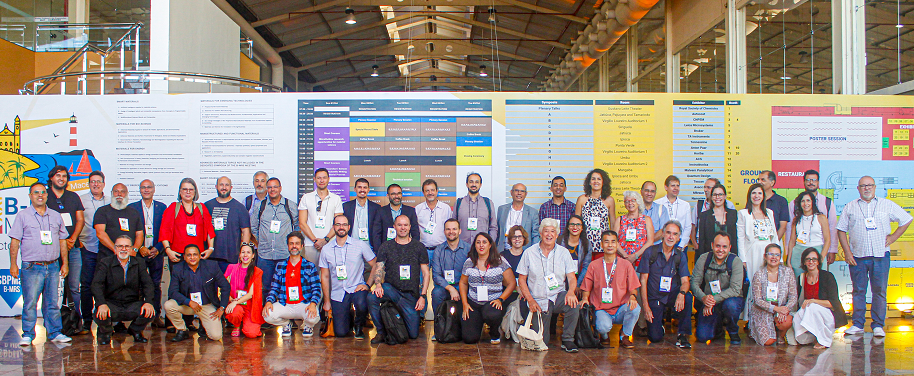
The set of topics covered in the symposia showed, once again, the transversality of materials science and technology. There, advances were discussed in the discovery, synthesis and characterization of materials as diverse as natural polymers, smart nanomaterials, biomaterials and topological materials, among many others. Progress in the application of these materials in sectors such as energy, health, agriculture, environmental remediation, optoelectronics and 3D printing was also presented. “Looking at the 25 symposia of this year, we can briefly say that we will deal with “Innovation and Sustainability with Materials,” topics of utmost importance in the global context”, summarized the chair Carlos Jacinto.
In 12 different rooms, the symposia carried out their oral sessions in parallel, which included more than 500 presentations, including invited lectures (many of them from renowned scientists from abroad) and contributions from students and researchers (the majority, coming from more than 100 institutions of all Brazilian regions).
The scientific level of the presentations was praised by the symposium organizers. “The high quality of the invited talks led to very fruitful discussions,” highlighted the organizers of the symposium U, which discussed advances in materials for the sustainable production of electronics using printing methods. “The excellent talks by Brazilian presenters highlighted the quality of research carried out in the country, despite the persistent funding cuts we have faced in recent years”, commented the organizers of the R symposium, dedicated to electronics, photonics and organic bioelectronics.
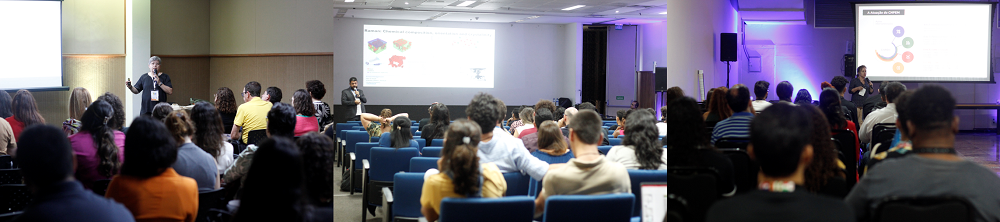
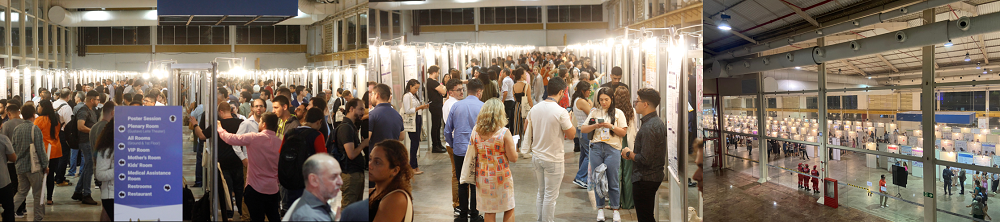
The poster sessions were also impressive, in part because of their size. More than 1,300 works were presented in three sessions, held in a large space on the ground floor of the convention center, on Monday, Tuesday and Wednesday from 6:30 pm to 8 pm. The presenters, mainly undergraduate and postgraduate students, who represented 55% of the participants, were able to interact with researchers of all levels of training. “The enthusiasm of the students who participated in the symposia deserves to be mentioned and motivates us to continue with persistence”, highlighted the organizers of symposium V, dedicated to nanocomposite materials and their applications in lasers, solar cells, optical amplifiers and displays.
Lectures on Tuesday afternoon: a range of options on current topics
On Tuesday afternoon, the B-MRS Meeting program brought another new feature. The symposiums stopped for an hour so that participants could attend one of the seven technical lectures that were held at the convention center.
For those interested in updating themselves in characterization techniques, there were three options, offered by scientific instrumentation companies. Horiba gave a talk on innovations and advanced uses of Raman spectroscopy. Jeol brought a presentation on using TEM and STEM microscopy to probe materials at the picometer level. Anton Paar spoke about the benefits of combining Rheology with Tribology to characterize materials.
In turn, scientific publishers offered lectures on the “art” of writing and publishing scientific articles. The representative of the Royal Society of Chemistry (RSC) gave tips for paper authors on how to attract the attention of editors, reviewers and readers amid the enormous amount of works that are submitted to journals daily. In turn, the lecture by the publisher of the American Chemical Society (ACS Publications) brought an open discussion: the technical and ethical implications of using artificial intelligence systems such as ChatGPT in the preparation of scientific articles.
Another interesting option during this time was the lecture given by the Brazilian Center for Research in Energy and Materials (CNPEM). Located in Campinas (SP), CNPEM is the “home” of the state-of-the-art synchrotron light source Sirius and many other laboratories with advanced tools for materials research. These facilities are open to the entire scientific community, and the center offers training to use them profitably. The lecture showed the opportunities that CNPEM offers to researchers of all levels of training.
The program also included a round table with three researchers who have or have had experience of entrepreneurship and technological innovation within the materials area. The debate focused on the contribution that scientists can make to meet the growing demand for products with high technological content.
Conference Party: fun for everyone
At the end of a Tuesday of intense programming, many participants still had energy to enjoy the exclusive party for event participants and their companions, which this time was held at Maikai, one of the main nightclubs in Maceió. With around 650 people, it was the biggest of the B-MRS Meeting parties. On stage, singer Thyago Correia and his band pleased all age groups with a sequence of Brazilian music classics from the most diverse styles, from the 80s to the present. Everyone or almost everyone sang and danced both on the dance floor and in the mezzanine boxes. And, at the request of their colleagues, young researchers with musical talent took the stage and rocked it!
Exhibitors: products, facilities and opportunities for materials research
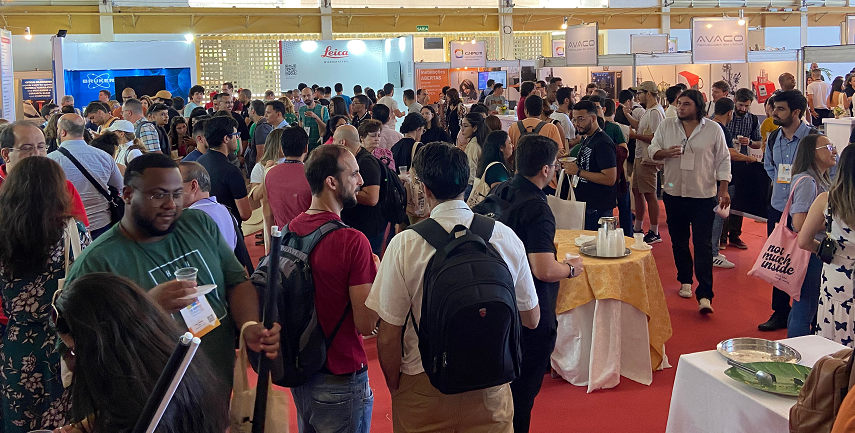
At the entrance to the convention center, between the registration desk and the access to the rooms, 25 companies and institutions displayed their products, services and facilities in beautiful stands that received many visits from participants.
The group of exhibitors included manufacturers and sellers of equipment and inputs for scientific research, two startups (Autocoat, dedicated to developing solutions in the blade coating technique, and FabNS, specialized in instrumentation and software for Raman spectroscopy), two scientific publishers (ACS Publications and RSC) and two entities of the Ministry of Science, Technology and Innovation, CNPEM and GraNioTer.
GraNioTer is a technological hub focusing on graphene, niobium and rare earths which aims to promote strategic projects that have already advanced into the initial stages of the technological maturity scale. At the XXI B-MRS Meeting, the hub proposed a challenge to the participants: to present ideas to solve everyday technological problems of two partner companies. The first problem, from the company Zextec, was to develop a process for adding graphene to cementitious materials. The winner was Douglas de Souza Rocha, an undergraduate student at UFRJ. The second problem, proposed by Ionic Technologies, was removing rare earth elements from magnets in end-of-life equipment. The winning idea was by Bruno Lessmann Fertig, a master’s student at UFSC. Both winners received Ipads as a prize.

Plenary Sessions: high-quality science for sustainable development
The plenary lectures of the XXI B-MRS Meeting brought together, every day, a few hundred participants from all the symposia, always in the theater of the convention center.
Given by very prominent researchers in their fields, these lectures showed how multidisciplinary and quality science is the basis of new sustainable technologies that bring benefits to people’s lives and, at the same time, minimize the impact on the environment.
Professor Luisa De Cola (University of Milan, Italy) spoke about the development of intelligent porous nanomaterials, capable of delivering and capturing substances within the organism, and their applications in healthcare, tested through in vivo experiments. The scientist, who heads the Materials for Health unit at the Mario Negri Institute of Pharmacological Research, enchanted the public by showing nanocages based on organosilica that function as tiny smart capsules, capable of directly delivering the medication they carry into tumor cells. Professor Luisa also showed microporous materials based on zeolites that capture serotonin and dopamine, with applications in the area of mental health.
In another fascinating plenary session with an impact on the health sector, Daniel Jaque Garcia, professor at the Autonomous University of Madrid (Spain), addressed the development of luminescent nanoparticles and their use as tiny thermometers that travel inside the body to measure the temperature of certain cells, allowing, for example, the diagnosis of tumors and cardiovascular and neurological disorders. One of the main experts in luminescent nanothermometers, the scientist spoke about the numerous scientific challenges already resolved and to be resolved in order to bring this technology to hospitals and doctors’ offices.
Within the list of plenary sessions, two of them directly addressed the development of carbon nanomaterials. Andrea Ferrari, founder and director of the Graphene Center at the University of Cambridge (United Kingdom), spoke about advances in graphene research and development that could make this material a vector of disruptive technological innovation. In turn, Fernando Lázaro Freire Junior, professor emeritus at PUC-Rio, presented his contributions to the synthesis and characterization of carbon-based materials, from DLC films to graphene nanostructures.
On the occasion, the Brazilian scientist received the José Arana Varela Award, granted by B-MRS to researchers from national institutions, with an established career, who stand out for the results achieved in the field of Materials Science and Technology and for their contributions to the community. President of B-MRS from 2006 to 2009, professor Lázaro was director of the Brazilian Center for Physical Research (CBPF) between 2011 and 2015, member of the Superior Council of the Research Support Foundation of the State of Rio de Janeiro (FAPERJ) from 2012 to 2018 and national coordinator of the National Institute of Surface Engineering from 2009 to the present.
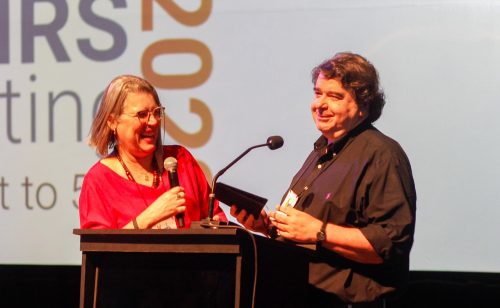
The plenary session by scientist Conchi Ania, a researcher at the French National Center for Scientific Research, was about one of humanity’s most important challenges: ensuring safe drinking water for everyone. She presented the development of sustainable and low-cost materials and processes that can be used to eliminate the enormous amount of new micropollutants that we dump into water every day and that escape conventional treatments. For this work, some of which was tested outside the laboratory in treatment plants, the scientist won a “For Women in Science” award from L’Oréal Unesco.
The need for truly sustainable economic development opened the plenary lecture by Rodrigo Martins, professor at Universidade NOVA de Lisboa (Portugal) who has already presided over the European Materials Research Society (E-MRS) and IUMRS and played an important role in building bridges between B-MRS and these societies. The scientist addressed the development of materials and devices for so-called printed electronics, a “greener” and more versatile technology than conventional silicon electronics. In this new technology, electronic circuits are manufactured using printing techniques on flexible, lightweight, biodegradable and recyclable substrates, such as paper and fabrics, transforming these passive materials into interactive platforms.
The last plenary of the event was given by Christel Marian, senior professor at the University of Düsseldorf (Germany). A specialist in applying computational methods to the study of materials, the researcher showed that modeling based on Density Functional Theory can help improve the performance of OLEDs, flexible light-emitting devices based on organic films, widely used in television screens, monitors and cell phones, which combine energy efficiency, flexibility and transparency.

Closing Ceremony: exciting end to an intense week
Thursday, October 5th. Last day of the XXI B-MRS Meeting. At around 11:30 am, the theater of the Maceió convention center becomes the stage for the traditional Awards and Closing Ceremony of the event, long awaited due to the revelation of the winners of the student awards.
In his presentation, chair Carlos Jacinto da Silva showed the excellent numbers of the event, which had 1,629 participants from 38 countries and 25 Brazilian states. He thanked everyone who made the event possible, from the sponsors and supporters to the secretariat team and the coordinator of the Program Committee, professor André de Lima Moura (UFAL).
The ceremony included this time the farewell of the president of B-MRS. “We are all B-MRS and, in these four years, it has been an honor to be at the head of this society”, said Monica Cotta, taking the opportunity to thank the team and directors who accompanied her in both terms, as well as the event chairmen, for the excellent work.
Special thanks went to professors Ivan Helmuth Bechtold (UFSC) and Iêda Maria Garcia dos Santos (UFPB), for their dedication to the Board of Directors and the Program and Awards Committees of B-MRS. “They have done a lot of hard work in recent years to coordinate, together with the symposium organizers, the delivery of our awards to students”, highlighted Mônica. On stage, the honored directors received hugs and regional souvenirs.
In turn, the president was also surprised with a tribute from the directors and the B-MRS team, currently formed by Aline Barros, executive secretary, Alexandre Souza, manager of the B-MRS Meeting, Leandro D´Agostino, responsible for systems and Verónica Savignano, responsible for communications. Along with the directors, the staff handed a plaque and a souvenir to Mônica. In a brief speech, the team highlighted the president’s commitment to inclusive, diverse, multidisciplinary and quality science, as well as her dedication to every task without sparing efforts and with infinite energy.

The closing featured another speech on stage, read by an event participant. Student Denisson Guimarães do Carmo recalled that, on that same day, the Day of Struggle for Brazilian Democracy was taking place, promoted by the Brazilian Society for the Progress of Science (SBPC), an entity to which B-MRS is affiliated. In his motion in support of this initiative, the young man recalled the attacks against Brazilian democracy perpetrated on January 8th and, as a result, the need to continue consolidating democracy in the country. “In dictatorial regimes, reflection, questioning, doubt and truth, pillars of science, are stifled, allowing oppression, torture and persecution to thrive,” said Denisson.
A moment of great excitement was created with the announcement of the B-MRS Meetings for 2024 and 2025. The first, to be held in Santos with the coordination of professors Laura Oliveira Péres Philadelphi (Unifesp) and Lucas Fugikawa Santos (Unesp). The second, to be held in Salvador, with Luiza Amim Mercante (UFBA) and Daniel Souza Corrêa (Embrapa Instrumentação) as chairs.
The Santos event coordinators, who were sitting at the closing table next to the Maceió chairs, took the floor for a quick presentation about the city of Santos and the convention center. Located on the coast of the state of São Paulo, 85 km from the center of the capital, the city is abundant in beaches, forests and historical and cultural attractions, as well as an outstanding gastronomy.
- See the XXII B-MRS Meeting website (Santos, September 29th to October 3rd, 2024).
- See the event’s call for symposia, which is open until November 21, 2023.

Finally, the long-awaited moment of the awards ceremony arrived, which began with the announcement of the JALCOM Award – an award created this year by the Journal of Alloys and Compounds (JALCOM, Elsevier), in partnership with B-MRS, to distinguish researchers from Brazilian institutions with outstanding contributions on certain topics in the areas of Materials and Energy. Professor Valmor Mastelaro, editor at JALCOM, announced Conrado R. M. Afonso (professor at UFSCar) as winner of the prize for advanced career researchers, and doctors Gisele Amaral Labat (INPE) and Piter Gargarella (UFSCar) as winners of the prize for young researchers .
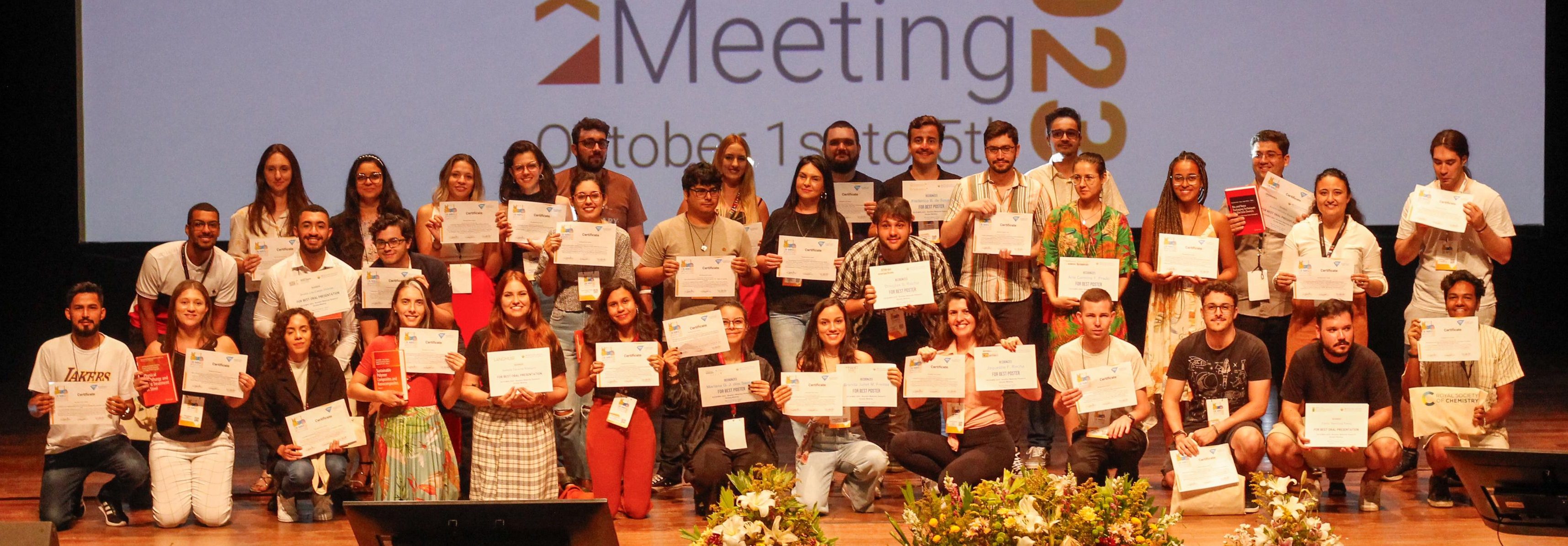
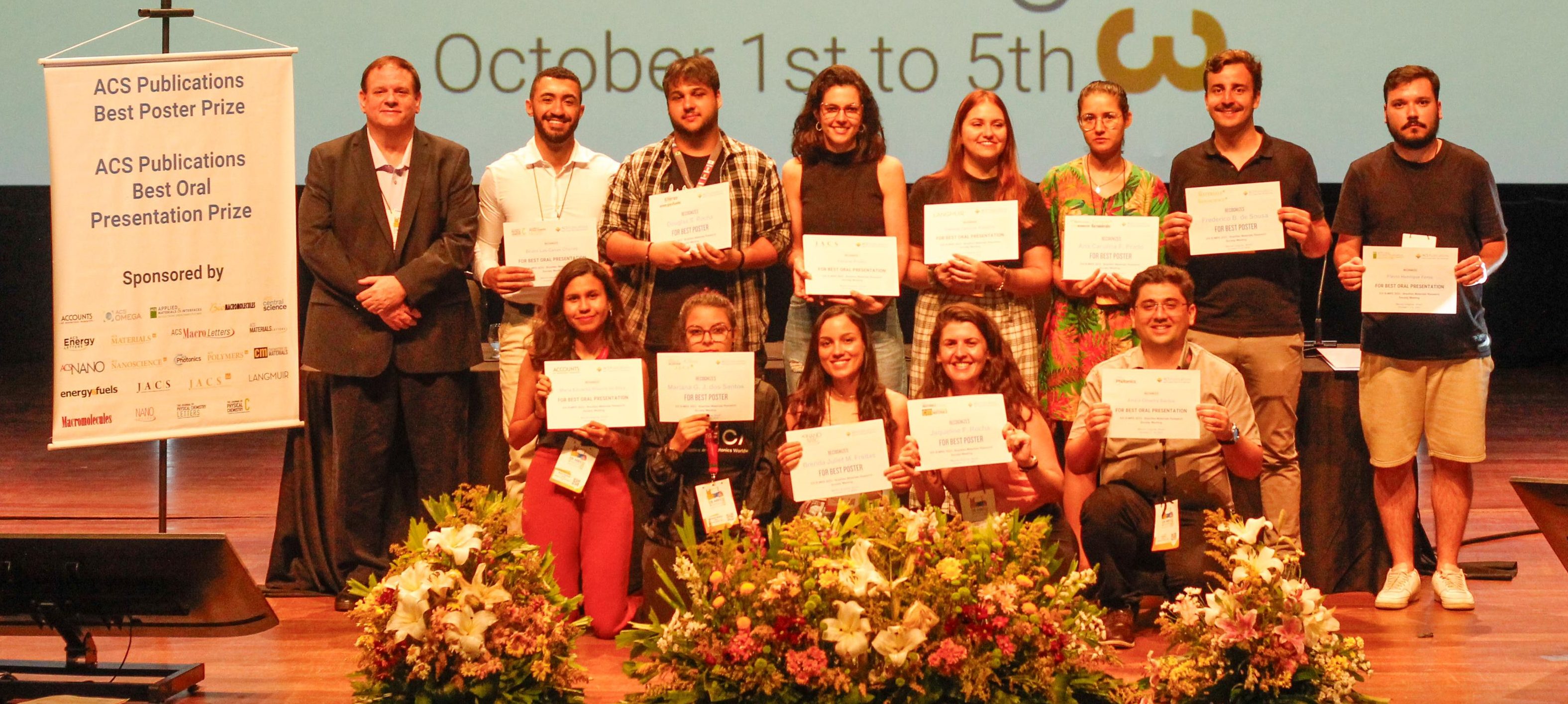
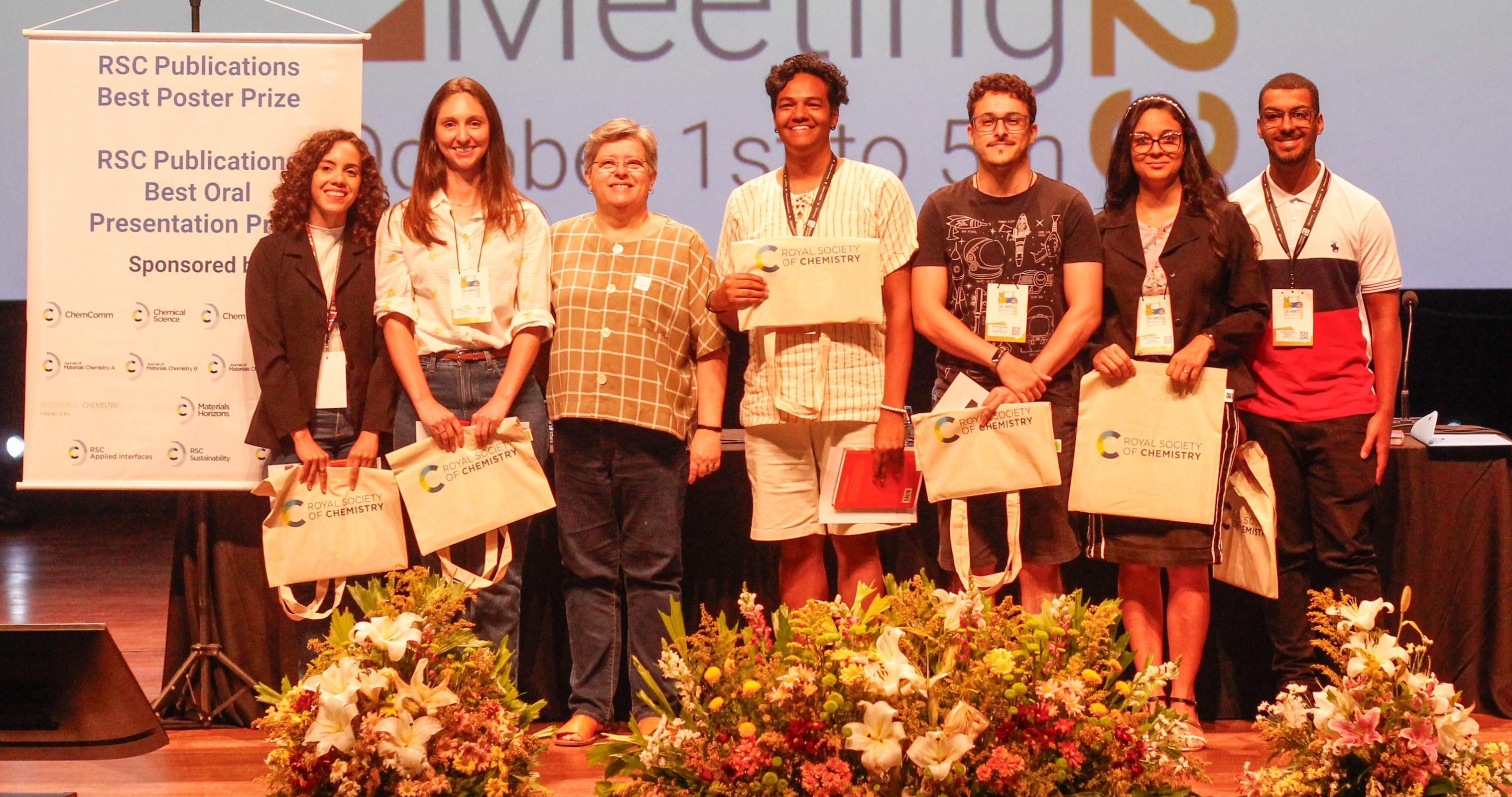
Subsequently, within the B-MRS Bernhard Gross Award, aimed at undergraduate and postgraduate students, the Awards Committee and the president of SBPMat awarded certificates to the 38 authors of the best contributions presented at each symposium – students from institutions in the states of São Paulo, Rio de Janeiro, Minas Gerais, Rio Grande do Sul, Amazonas, Ceará, Paraná, Pernambuco and Santa Catarina. Among these finalists, the authors of the best works from the entire event received cash prizes from ACS Publications and book vouchers RSC.

Thus, the XXI B-MRS Meeting came to an end as a large gathering of people from all over the world who are dedicated to understanding today’s materials and developing tomorrow’s materials and their applications. “As we conclude this meeting, I encourage you to carry forward the enthusiasm, newly acquired knowledge and connections made here,” said Chair Carlos Jacinto in his closing remarks. “Let us continue to pioneer our respective fields and champion a sustainable future through the incredible world of materials science,” he concluded.
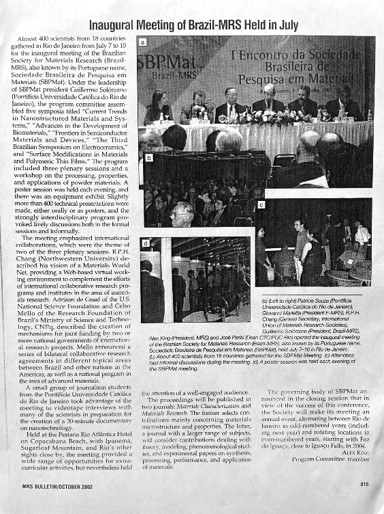
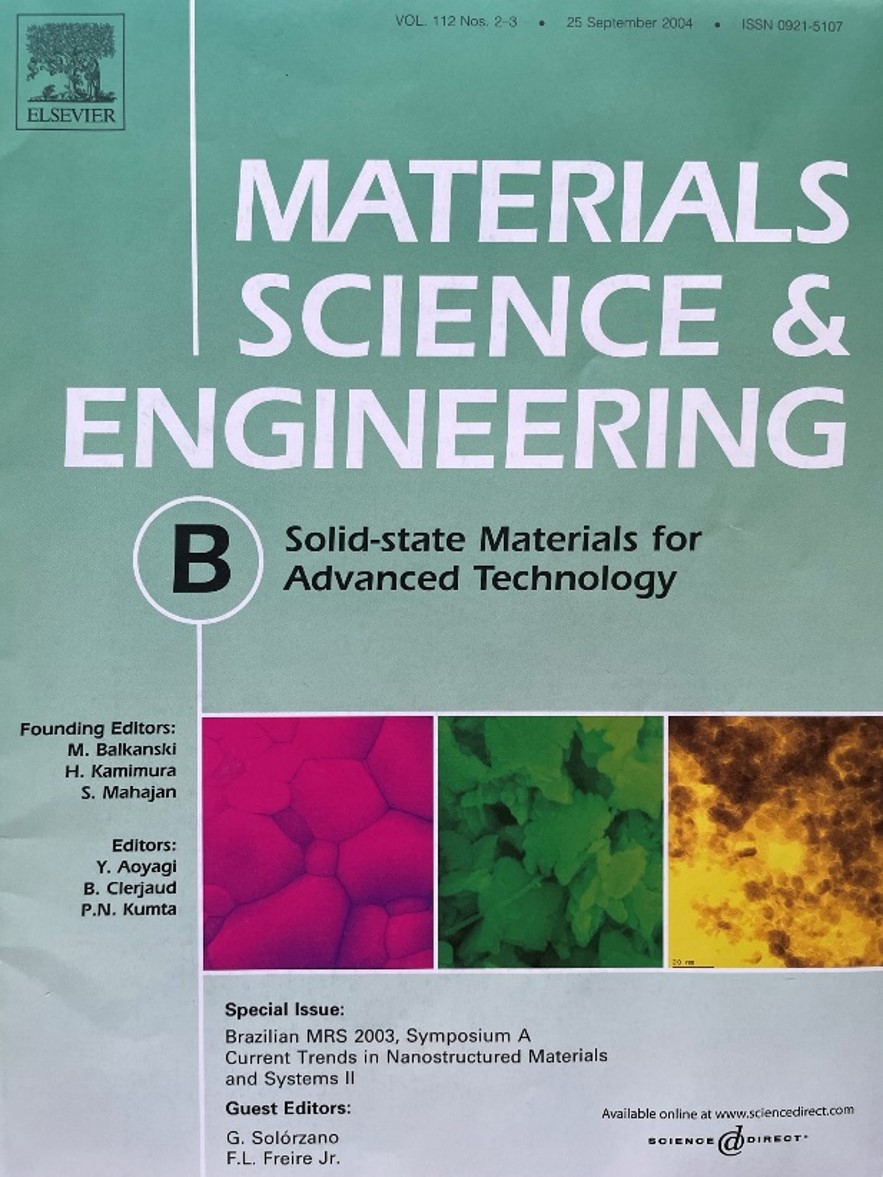
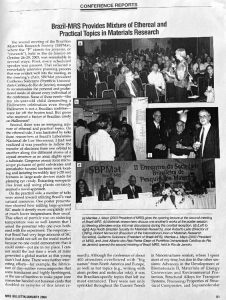 On October 26th-29th 2003 the second BMRS meeting took place also in Rio de Janeiro. The program, augmented to six symposia, covering a wider spectrum of subjects including on Nanostructured and Biomaterials II, Materials for energy conversion and environmental protection, Structural alloys for transport systems, composite and supramolecular materials, and a workshop on Semiconductors group III nitrides. High light of this meeting were two plenary sessions on international collaboration: one session in the scope of the Inter-American Collaboration Program –CIAM, with authorities of the Brazilian funding agencies CNPq and FINEP, the NSF and MRS president (also representing the US National Academy of Sciences). The event also hosted a Pan American Advanced study institute, funded by NSF, with the participation of students from Brazil, the US and other Latin American countries. The meeting also provided a commercial exhibition of products and services of interested to the community of materials researchers. With close to 500 participants and held at the Pestana Rio Atlantica Hotel Convention Center, on Copacabana beach with Rio other sights closed by, the meeting provided a wide range of opportunities for extra curriculum activities, but nevertheless held the attention of a well-engaged audience.