
Sorry, this entry is only available in Brazilian Portuguese.
Category: News
B-MRS Newsletter: Year 12, issue 8
|
|||||||||||||||||||||||||||||||||
|
|||||||||||||||||||||||||||||||||
Report from the XXIII B-MRS Meeting: the biggest event in B-MRS history, in the joy of Bahia
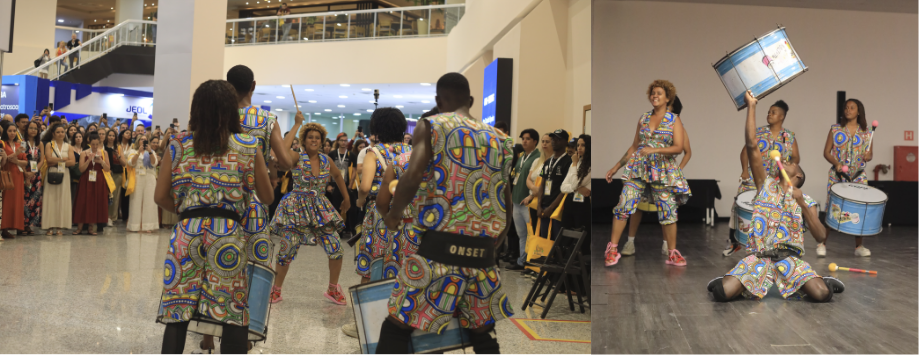
The sound of drums reminded us that we were in the city of Salvador, one of the main centers of Afro-Brazilian culture.
It was the first day of the XXIII B-MRS Meeting, Sunday, September 28, 2025, at the Salvador Convention Center, an event venue located by the sea, whose pavilions seem to open their arms to the Atlantic Ocean and the African continent.
Hundreds of people had entered the convention center to attend the opening ceremony and, as in previous editions of the event, were scattered throughout the corridors, stopping to chat when they met friends and collaborators.
But this time, in the foyer, the percussion group “Meninos da Rocinha do Pelô” concentrated all attention with the sound of percussion, their body movements, and the colors of their clothing. Guided by conductor Elem Silva, six young people with their instruments, led the participants until they entered the main room of the event.
And, in addition to bringing a bit of Bahian culture to the participants, coming from 36 countries and 26 Brazilian states, Elem and the boys helped ensure that everyone was in the room on time for the opening session.
Opening ceremony: a strong and creative community
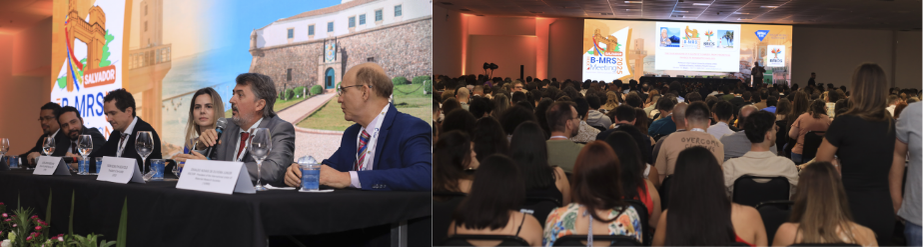
With approximately 1,300 people in attendance, the room was completely full.
Seated at the opening table on the stage were the event chairs Luiza Amim Mercante (professor at UFBA) and Daniel Souza Corrêa (researcher at Embrapa Instrumentation); the president of B-MRS, Ivan Bechtold (professor at UFSC); the president of the International Union of Materials Research Societies (IUMRS), Osvaldo Novais de Oliveira Junior (professor at IFSC-USP); the Secretary of Technological Development and Innovation of the Brazilian Ministry of Science, Technology and Innovation, Daniel Gomes Almeida Filho, and the director of the Institute of Chemistry at UFBA, Martins Dias de Cerqueira.
“Looking at this room, it’s wonderful to see how much B-MRS events have grown year after year,” said Luiza. Indeed, at the end of the event, statistics would show that the 23rd edition of the meeting was the largest ever. There were 2,107 participants, surpassing by 20% the previous record, set in 2024 in the city of Santos.
In their brief speeches, the members of the opening panel highlighted the role of materials research and cooperation in building a better future. “In the face of wars and attacks on science, it is important to see so many young people here, showing that we have a future,” said the president of IUMRS. “We just have to keep going in the right direction, that of knowledge and multilateral cooperation,” he added.
The president of B-MRS addressed some words to the students, who made up the majority of the event: 40.5% of the participants were master’s or doctoral students and 18% were undergraduate students. “Make the most of this international and multidisciplinary conference to initiate collaborations and discuss results,” said Ivan.
Finally, the chairs welcomed all those present. “I invite you to take advantage of the next few days to connect, so that we can build an even stronger and more creative community,” said Daniel.
Actually, connections happened intensely throughout the week, in all the spaces of the event: the symposium rooms, the exhibitors’ stands, the coffee break tables, the huge poster room, the restaurant set up in the convention center… Many of these interactions were recorded in stories shared by participants on B-MRS Instagram, showing the satisfaction of meeting in person a collaborator from another country, hug a former group colleague, or take a picture with a very renowned scientist. Or even ask a question about laboratory equipment at the manufacturer’s booth.
After the opening session, the room was in total silence for 60 seconds in honor of Marcia Bicalho, who served as executive secretary of B-MRS until 2023 and passed away prematurely in March of this year. Ieda Garcia dos Santos, administrative director of B-MRS, recalled the important contributions that Marcia made to the community, including organizing the society’s events from the beginning and coordinating the secretariat, where she was always available to help with a wide range of issues.
Short courses: Sunday is a day for learning
Anyone who thinks Sunday is for leisure isn’t keeping up with the evolution of the B-MRS Meetings. Here, Sunday is for technical short courses.
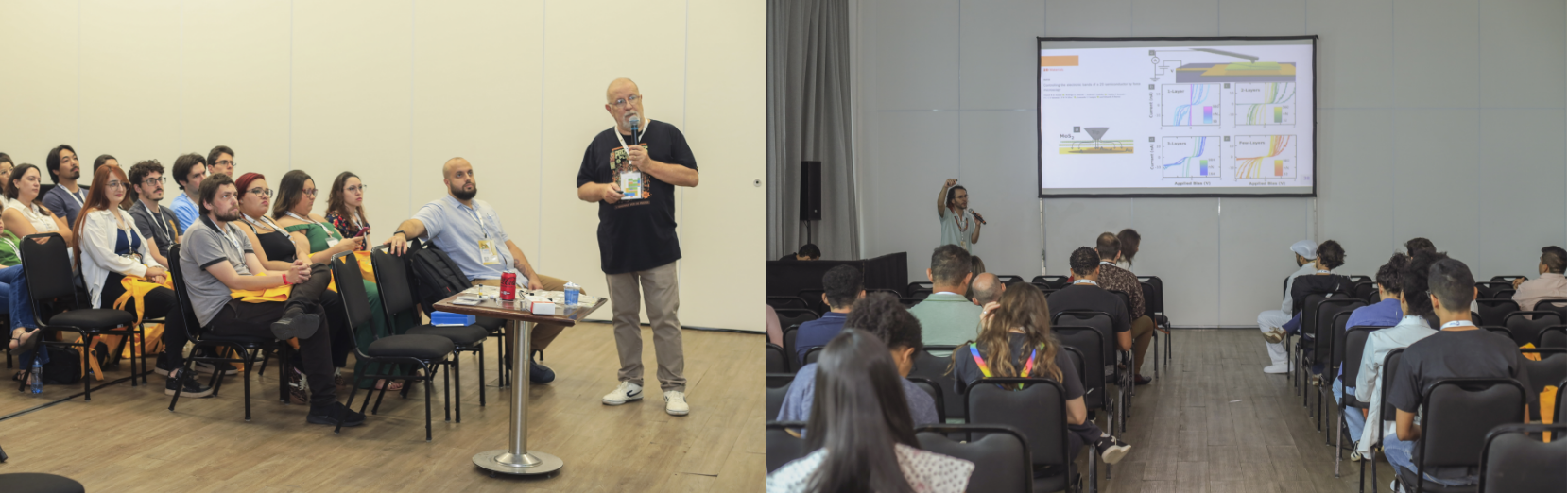
With each new edition, the event offers more options, attracting more and more participants. This year, more than 350 people filled the spots in the seven short courses, ranging from two to six hours in duration, which were proposed and prepared by community members who are experts in the topics presented.
Among the options was the traditional Young Researchers’ School, organized by Professor Valtencir Zucolotto (IFSC-USP), with support from Elsevier, and which was the first short course offered at B-MRS event, back in 2019. The “mini-school” program covered tips on advanced scientific writing, paper formatting and publication strategies, as well as guidance on preparing for university teaching positions.
In addition, there were five short course options on experimental techniques and theoretical tools used in the preparation, classification, and characterization of various materials, and one option on technology-based entrepreneurship, presenting concepts, practical tools, and cases.
BRICS Meeting: Materials and Nanotechnology in the Global South
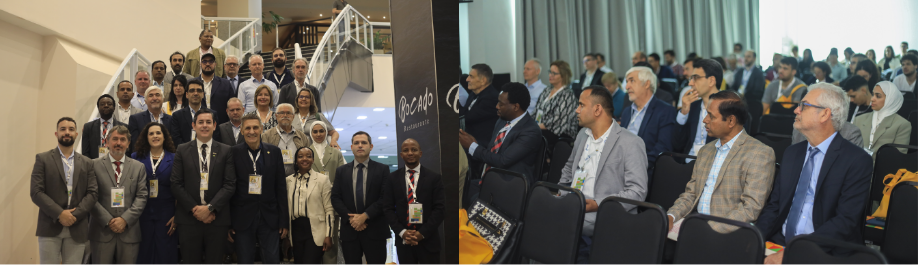
In two sessions of the event, it became evident that the proportion of foreign participants was especially higher. We are referring to the open sessions of the 7th BRICS Meeting of the Working Group on Materials Science and Nanotechnology. This event was held in parallel with the B-MRS Meeting by the Brazilian Ministry of Science, Technology and Innovation, in partnership with B-MRS.
BRICS is a group of countries from the so-called “Global South” whose mission is to strengthen cooperation between these nations in various areas. The group is formed by Brazil, Russia, India, China, and South Africa, as well as the new members Saudi Arabia, Egypt, the United Arab Emirates, Ethiopia, and Iran. In 2025, Brazil presides over BRICS and has an official calendar of events; among them, the meeting held in Salvador.
Throughout the five days of the parallel event, delegates from Brazil, India, Iran, Russia, South Africa, and the United Arab Emirates, along with representatives from the Brazilian Ministry, participated in an intense program that included two sessions open to all participants of the XXIII B-MRS Meeting.
In the first session, held on Sunday afternoon, approximately 80 people attended the opening session of the meeting. The audience listened to presentations by delegates on the opportunities their countries offer for interaction with scientists from other countries in the Global South. Representing Brazil, the Secretary of Technological Development and Innovation gave an interesting presentation on the Brazilian landscape of science, technology and innovation, which today ranks 13th in the world in scientific production and 52nd in innovation.
In the second open session, held late Wednesday, more than 100 people filled the room to attend the discussion panel on BRICS opportunities in materials and nanotechnology, in which delegates showcased some of their countries’ infrastructure and priority research areas; possible avenues for scientific collaboration such as student mobility and the use of laboratories; and calls for submissions of collaborative projects.
Thematic symposia: over 2,000 contributions from the community presented
Under the coordination of chairs Luiza and Daniel, more than one hundred researchers from eleven countries participated in organizing the 22 thematic symposia that addressed advances in the study and development of a wide variety of materials.
“Organizing Symposium B for the first time at this event was highly rewarding,” says Professor Carlos Cava, from UTFPR, who highlighted the packed rooms, the engagement of many participants, and the valuable discussions stimulated by the invited lectures. The focus of this new symposium was on sensor materials combined with artificial intelligence for application in advanced analytical techniques and forensic science.
In addition to the new entrants, this edition featured several symposia that have been held regularly at B-MRS events, such as Symposium N, on nanotechnology in medicine and agriculture, which celebrated its tenth anniversary at the B-MRS Meeting. “This milestone was marked by an impressive number of high-quality presentations, featuring invited speakers, as well as junior and senior researchers,” said Professor Juliana Cancino-Bernardi (USP Ribeirão Preto), who organized the symposium together with Professor Valtencir Zucolotto.
Within the symposia, more than 2,000 contributions reporting scientific advances were presented by their authors in oral and poster sessions. “The quality and diversity of the contributions, encompassing fundamental studies and device innovations, were outstanding!” celebrated Rafael Furlan de Oliveira, a CNPEM researcher who co-organized the symposium on organic electronics and bioelectronics.
The symposia as a whole covered a wide range of topics, from materials design to their use in devices for health, energy, agriculture, electronics, photonics, environmental remediation, forensic science, and 3D printing, among others fields. The recycling of materials and the assessment of their toxicity were also addressed.
In the thirteen symposium rooms, participants were able to update themselves on the most recent advances in their research topics, discuss their work with highly specialized individuals, initiate collaborations, and share moments of friendship. One example was the moving tribute to Professor Cid de Araújo (UFPE) on his 80th birthday, held in Symposium F, dedicated to photonic materials, which he organized.
See the organizers’ comments about the symposia and short courses.
Award-winning lectures: recognition for two scientists from the Northeast of Brazil
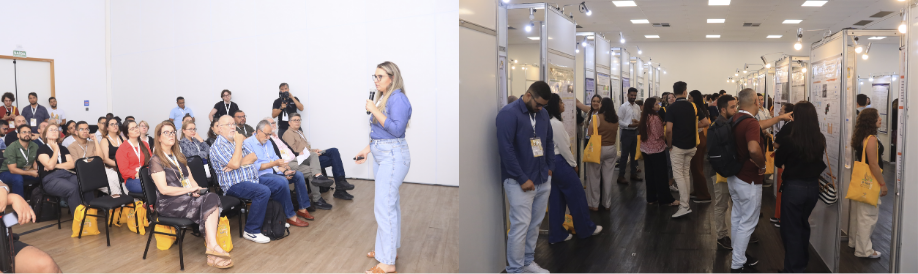
The two B-MRS awards for scientists from the Brazilian Materials community were granted this year to researchers from the Northeast region: Professor Antônio Ferreira da Silva, from UFBA, and Professor Dulce Maria de Araújo Melo, from UFRN.
Professor Antônio was honored with the Joaquim da Costa Ribeiro Memorial Lecture, an award given by B-MRS to senior researchers with outstanding careers in the field of materials. In the lecture, held on Sunday evening after the opening ceremony, Ferreira recounted how he built his scientific career, based on extensive study and work done in several Brazilian cities as well as in Sweden, Japan, and the United States. Along this path, physics increasingly engaged with other disciplines, ranging from materials to biotechnology and artificial intelligence.
On Wednesday afternoon, Professor Dulce gave a lecture as part of the Jose Arana Varela Award ceremony – a distinction given to researchers with established careers who stand out for their scientific or technological results achieved in the field of materials and/or for their contributions to our community. Dulce was introduced by the administrative director of B-MRS, Ieda Garcia, as a researcher who has done a great deal for materials research in Brazil, and especially in the Northeast region, building research infrastructure from scratch while developing a remarkable scientific career. Grateful, Dulce recounted that it was Jose Arana Varela, along with Elson Longo, who greatly supported her idea of creating a doctoral program in materials at UFRN in the late 1990s.
The scientist delivered a didactic lecture on the work she has been doing with her research group at UFRN to develop, on laboratory and industrial scales, a sustainable method for producing hydrogen from biogas using perovskite catalysts, making an important contribution to the energy transition. With her closing words, the professor moved the audience, who gave her a standing ovation: “Our essence is not the numbers of our careers. Our essence is being moved in this moment. And numbers don’t define who we are, but rather what we can do for others.”
Read our interview with Dulce Maria de Araújo Melo.
Special sessions: choose your favorite
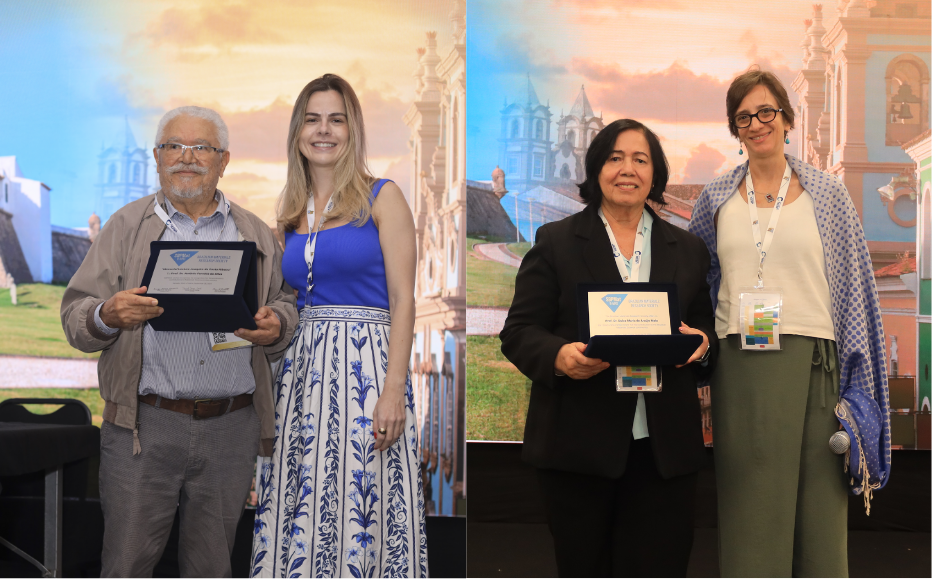
On Tuesday afternoon, the symposia included a one-hour break in their schedule so that participants could enjoy the special sessions, which addressed topics relevant to all research areas, such as tips for publishing scientific articles, as well as topics of high interest to specific groups, such as the secrets of some materials characterization techniques. In total, nine sessions, including lectures and panel discussions, were held simultaneously.
Continuing the success of the previous year, the panel discussions on science communication, women in science, and entrepreneurship addressed these important issues for the community. In addition, a discussion on materials for renewable energy was held for the first time, jointly promoted by B-MRS and the European Materials Research Society (E-MRS).
This session brought together two researchers with in-depth knowledge of renewable energy sources, one from Brazil and the other from Spain: Professor Ana Flávia Nogueira (Unicamp), director of the Center for Innovation on New Energies (CINE), and Professor Juan Ramón Morante (University of Barcelona), director of the Catalan Energy Research Institute (IREC). Guided by questions from Professor Ieda Garcia (UFPB), the experts discussed the role of technological innovation in the energy transition and the challenges faced in developing technologies in this area and bringing them to market.
This year’s panel on scientific dissemination focused on presentations of dissemination and outreach activities carried out by members of the community and was organized by Professor Ingrid Weber (UnB), who is a scientific director of B-MRS and coordinator of the University Chapters program. Opening the presentations, Professor Ana Maria Percebom (PUC-Rio), creator of an Instagram profile that unveils the science behind cosmetics and related topics, spoke about the motivations and difficulties of doing science outreach. Following her, doctoral candidate Júlia Ketzer Majewski, a participant in the B-MRS University Chapter at UFPR, described the numerous activities the group has promoted in various spaces outside the university, with the goal of bringing science to girls, young people, and citizens in general. In the third presentation, Professor Tania Giraldi (Unifal – Poços de Caldas) spoke about the organization of the “Mais Ciência Por Favor” festival, an event open to the public that brings together hundreds of children and teachers on the Unifal campus to experience science through various activities. Finally, Professor Priscila Alessio (UNESP – Presidente Prudente) spoke about the “Praça da Ciência” project, which will create a playful, open, and accessible space for science outreach in a public square.
The panel on women in science and innovation in the field of materials was a large round table discussion that brought together women of all generations, as well as some men, to discuss the unique challenges women face in traditionally male-dominated fields and strategies for overcoming them. The conversation included presentations by three talented researchers from the community who work in research and innovation (Professors Ana Sofia de Oliveira and Lucimara Stolz Roman, from UFPR, and Sibele Berenice Castellã Pergher, from UFRN). Professor Mônica Alonso Cotta (Unicamp), former president of B-MRS, organized and moderated the discussion.
Organized by Professor Lucas Fugikawa Santos (UNESP – Rio Claro), scientific director of B-MRS, the panel on innovation and technology-based entrepreneurship promoted a comprehensive reflection on the role of highly qualified researchers in various spheres of activity and sectors of the economy. To that end, the session brought together three researchers in the field of materials with experience in entrepreneurship and technological innovation (Laura Peres, Hugo Souza, and Hernane Barud), who discussed how to explore opportunities to meet the growing demand for high-tech products in the market.
In addition to the sessions on Tuesday, the event featured a special activity on Thursday morning, ACS on Campus, organized by the American Chemical Society. With a full room, seven editors and other professionals from ACS Publications spoke to the audience about how to prepare scientific articles for publication in high-impact journals and how to publish them at no cost, among other topics.
Conference party: the B-MRS Carnival
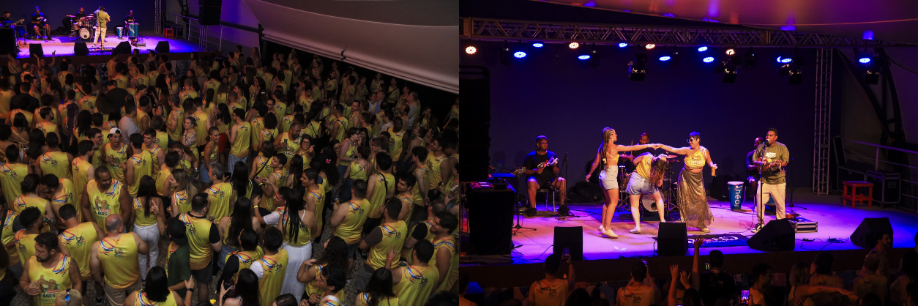
Was it an out-of-season Carnival parade? No, it was the Conference Party for the B-MRS Meeting!
It took place on Tuesday night at Casa Rosa, a beachfront cultural space located in Rio Vermelho, a Salvador neighborhood famous for its vibrant nightlife. More than 500 participants of the XXIII B-MRS Meeting entered the venue wearing yellow “abadas” (Carnival shirts) with the event logo.
The abada is a symbol of Salvador’s Carnival. It’s a shirt that identifies participants of a particular group, guaranteeing their entry to the reserved area. To allow each person to tailor the abada to their body and taste, Salvador has a tradition of customization, employing specialized seamstresses. Cuts, adjustments, embellishments… anything goes! And of course, participants of the XXIII B-MRS Meeting had the opportunity to customize their abadas. The service was offered to those interested at the convention center itself.
At Casa Rosa, the party was very lively. The participants sang and danced to hits of Bahian pagode, axe, and other genres of Brazilian music with the band that played that night after the DJ.
International plenary sessions: inspiration for conducting cutting-edge research with high social impact
Throughout the event, five prominent scientists from institutions in Canada, Singapore, USA, and UK spoke on scientific, technological, and ethical topics of great impact in areas such as health, electronics, and the environment.
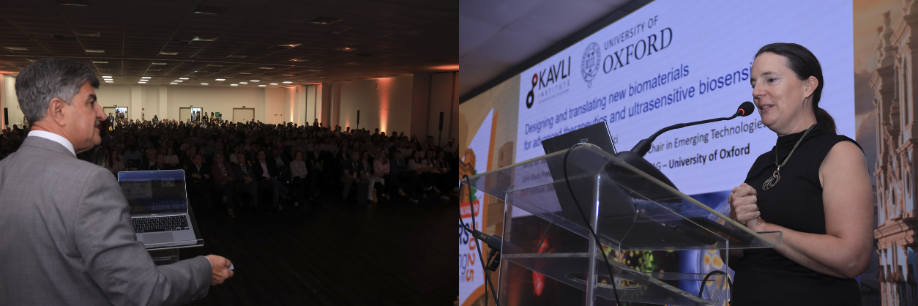
In the first plenary session of the event, sensors developed from the combination of nanoparticles, the SERS technique, and artificial intelligence tools impressed the audience. Professor Xing Yi Ling, from Nanyang Technological University (Singapore), demonstrated breathalyzers being used at a Singapore airport to non-invasively detect Covid-19 and systems that identify the flavors present in wine better than a sommelier, among other examples. The speaker is the Editor-in-Chief of a family of eight ACS journals dedicated to the study of materials and their applications.
A parody of a famous song by The Police opened the second plenary session of the event. “Roxanne” became “MXenes,” the name of a growing family of two-dimensional materials that stands out for its exceptional properties, ease of large-scale production, and use of abundant and economical elements. The speaker was the “father” of MXenes, Professor Yury Gogotsi, Director and founder of the Drexel Nanomaterials Institute (USA). Used as building blocks, these materials can serve to develop emerging technologies with the potential to change the world in many sectors, including energy and the environment. And their impact can already be measured, for example, in the more than 300,000 citations of Gogotsi’s articles, which today has an impressive h-index of 255 on Google Scholar.
Developing accessible technologies that solve health problems is the main motivation of the research group of Molly Stevens, Professor of Bionanoscience at the University of Oxford (England). The group is composed of more than 70 students and post-docs from various countries and backgrounds. In her plenary session, the scientist presented a portfolio of technologies for disease diagnostic, monitoring, and treatment developed within her group, several of which have been brought to market through startups and companies. Some examples include: 3D-printed capsules for delivering drugs that degrade in a programmed way within the body, a portable HIV detector, and a system that makes genetic analysis accessible to breast cancer patients.
In the fourth plenary session, Orlando Rojas, from the University of British Columbia (Canada), spoke about his outstanding work with natural polymers, mainly cellulose nanocrystals and chitin nanofibers – renewable and biodegradable materials that could become essential in a circular economy. The scientist highlighted the methods he developed to produce materials such as films and foams from these raw materials, both in water and at water-oil interfaces.
The final plenary session of the event was a call from a scientist to raise social and environmental awareness about the energy transition. Daniel Kammen, Professor of Sustainability at the University of California, Berkeley, and currently Professor at Johns Hopkins University, demonstrated the geographic, racial, and social inequalities present in both the origin of carbon emissions and the access to sustainable technologies. The scientist presented evidence-based ideas that help reduce these inequalities and achieve a socially just energy transition. Kammen has held leadership positions in renewable energy at organizations such as the World Bank, and has participated in the Intergovernmental Panel on Climate Change (IPCC). Furthermore, he is well-known to the general public for his articles in daily newspapers, his podcast, and his resignation as Science Envoy for the United States government, publicly submitted to President Donald Trump in 2017.
Community meetings
As a unique gathering point for the Brazilian materials science community, the B-MRS Meeting usually hosts several in-person meetings.
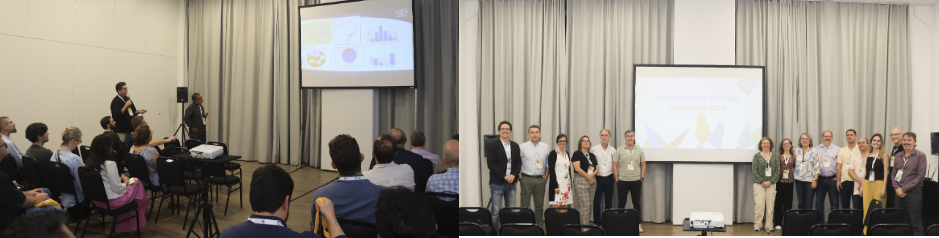
On Monday, the event hosted the meeting of the Materials Area from CAPES, the Brazilian agency that evaluates graduate education programs. Professors Edvani Curti Muniz (UEM), coordinator of the area, and Edson Cavalcanti da Silva Filho (UFPI), adjunct coordinator, discussed with participants the new guidelines for program evaluation for the period 2025-2028.
On Tuesday, two B-MRS meetings were held. In the afternoon, a meeting of the University Chapters (UCs) took place with the new coordinator of the program, Professor Ingrid Weber, and representatives from the already established units of UFPR, UNESP Presidente Prudente, and the University of Caxias do Sul, as well as academics from other universities interested in joining the program.
That same evening, the meeting of the Executive Board and the Deliberative Council of B-MRS took place. The agenda included the presentation and discussion of the annual reports and future plans of the board, the communications sector, the University Chapters program, the finance department, and the annual event.
Closing ceremony and awards: an hour and a half of emotion and joy
On Thursday, October 2nd, at 12:30, the event has come to an end.
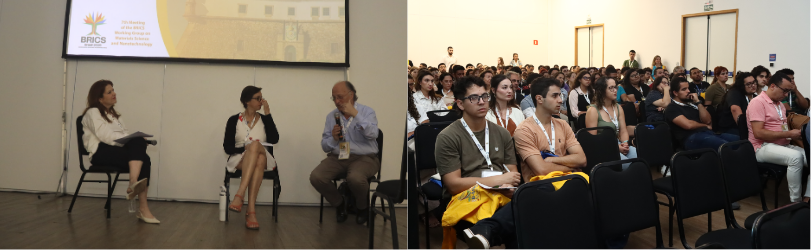
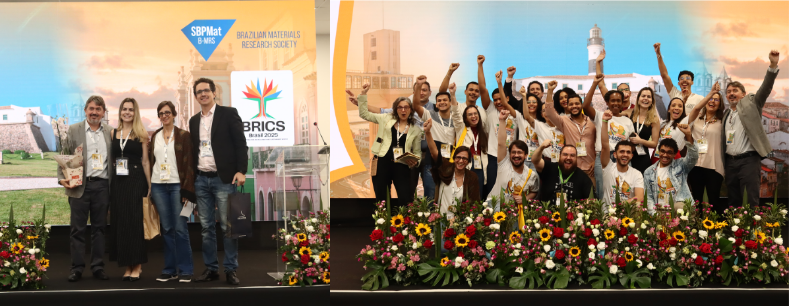
In the packed room, more than 850 people attended the closing ceremony and awards presentation, applauding tirelessly for almost an hour and a half.
In her opening remarks, the chair Luiza thanked everyone who made the event possible, including the participants. “Thank you for being here over these past few days,” she said. “It was truly inspiring to see this meeting come alive through the exchange of ideas and the integration of people from different areas, regions, countries, backgrounds, races, and genders. That diversity is what makes our community stronger and more innovative,” she expressed.
Luiza gave special thanks to Monica Cotta, who, in September 2023, invited her to coordinate the 2025 event. At the time, the then-president of the society mentioned that Luiza would be the youngest chair in the history of the society’s annual meetings. “To be honest, that scared me,” confessed Luiza. “I didn’t want the possibility of not doing a good job to negatively impact the future opportunities for other young researchers, especially women, but despite my fears, I decided to accept her invitation,” she said.
Next, the chair Daniel presented the event data, which stood out for its record number of participants.
Representing the B-MRS board, President Ivan and Administrative Director Ieda expressed their gratitude to the two chairs for their excellent work. “This event was particularly challenging because it grew much larger than expected,” highlighted Ieda.
At that moment, Professors Gregorio Couto Faria (IFSC-USP) and Paula Cristina Rodrigues (UTFPR) took the stage to present the next B-MRS Meeting. In a playful manner, through questions and answers, the duo revealed the host city (Curitiba, the capital of Parana state), the dates (September 27th to October 1st, 2026), the event location (the modern event spaces of the UP Experience complex), and the confirmed speakers (five prominent scientists from Australia, Brazil, Spain, Sweden, and the United States). The chairs showed a video of the city, which showcased Curitiba’s multiculturalism, modernity, and sustainability, as well as the region’s tourist attractions.
After that, the audience joyfully received another piece of news: the host city for the 2027 event has already been decided. It will be Fortaleza, the capital of Ceara state.
The microphone was then passed to Professor Ivan, who, with emotional and spontaneous words, thanked Professor Ieda for her strong partnership in managing the society. “And I thank you for always giving me work to do,” joked Ieda.
The organizers then called the B-MRS staff to the stage to receive gifts and a round of applause from the audience: Alexandre Alves, event manager, and his assistant Lara Cristovam Campos; Aline Barros, B-MRS executive secretary; Veronica Savignano, responsible for communications; and Leandro D’Agostino and his assistant Vinicius Sabino, in charge of managing the event and member systems.
And finally, the most anticipated moment of the ceremony arrived: the unveiling and awarding of prizes to the event participants, which this year included a new addition, the science popularization award.
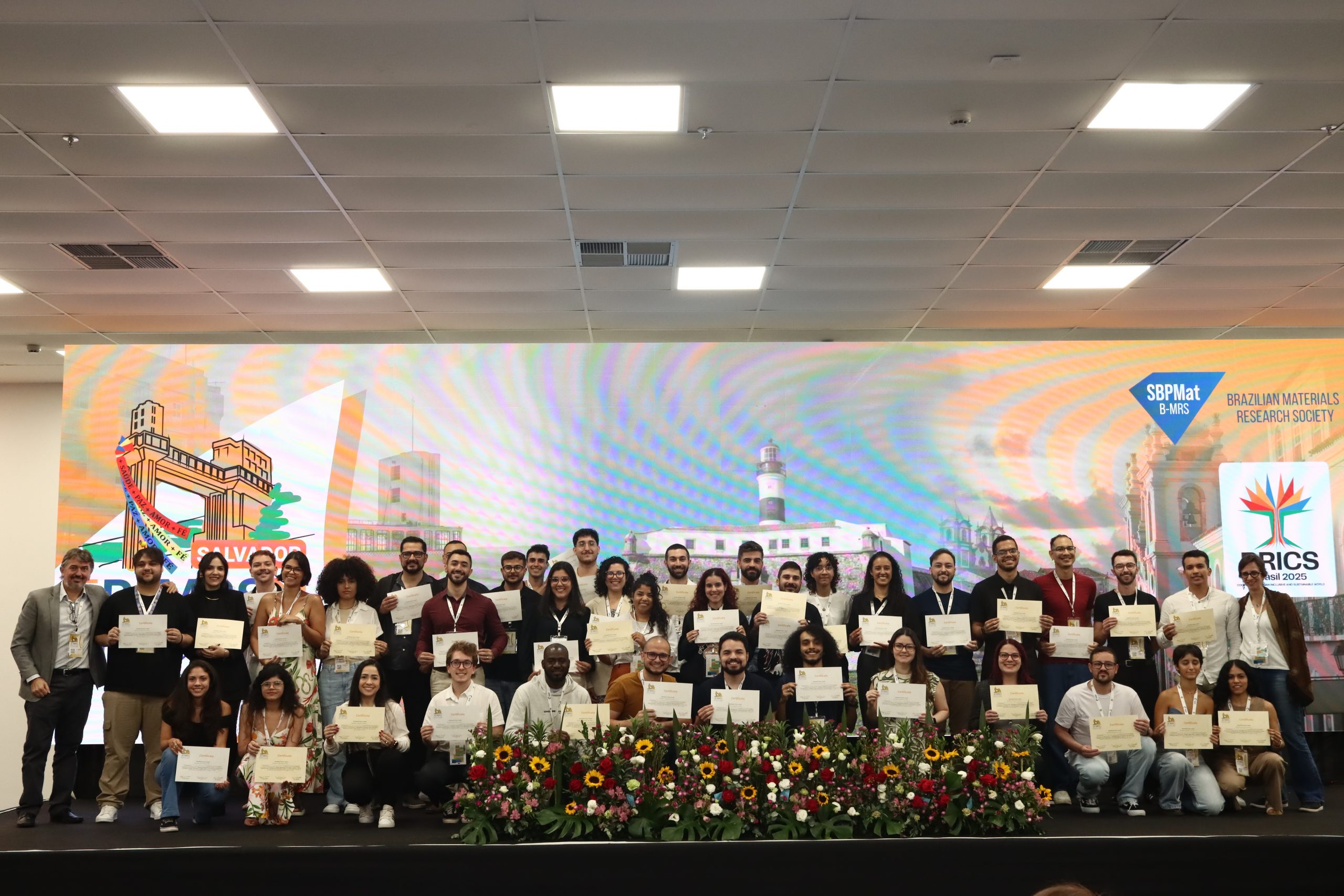
In its 13th edition, the awards for the best student presentations in oral and poster sessions had 42 finalists, four of whom were undergraduate students and the rest master’s and doctoral students. Among the Brazilian states, São Paulo stood out: 24 of these finalists performed their work at institutions in the state. Among the finalists, the six posters and six oral presentations with the best evaluations were declared winners and received cash prizes from the scientific publishers of ACS and the Royal Society of Chemistry.
Sponsored by the scientific journal Electronic Materials, from MDPI, the second edition of the award for early career women distinguished a young PhD who presented her work in an oral session at the event. The selection was made from among 22 candidates who submitted extended abstracts, based on an analysis of the work presented at the event and the researcher’s recent production.
Finally, the winners of the first edition of the science poularization prize, sponsored by the startup Krilltech, were revealed. The award committee challenged event participants to produce short videos for Instagram that presented their research in a simple and engaging way. The competition received 64 videos from participants, from undergraduate students to Professors and from all regions of Brazil, as well as Germany and France. The videos were published on B-MRS Instagram profile, and those that received the most likes were evaluated, resulting in four winners.
See the list of award winners.
See the photos from the closing ceremony and awards presentation.
“Participating in the organization of the XXIII B-MRS Meeting was very enriching,” said the chair Daniel at the end of the event. “Seeing the enthusiasm of the participants, especially the students, the quality of the discussions and lectures, and the integration between researchers from different generations and areas only reinforces the importance of this traditional scientific meeting, which certainly contributes, as a relevant forum, to the advancement of materials science and engineering in Brazil and the world,” he added.
See you in Curitiba, community!
XXIII B-MRS Meeting: comments on the symposia and short courses
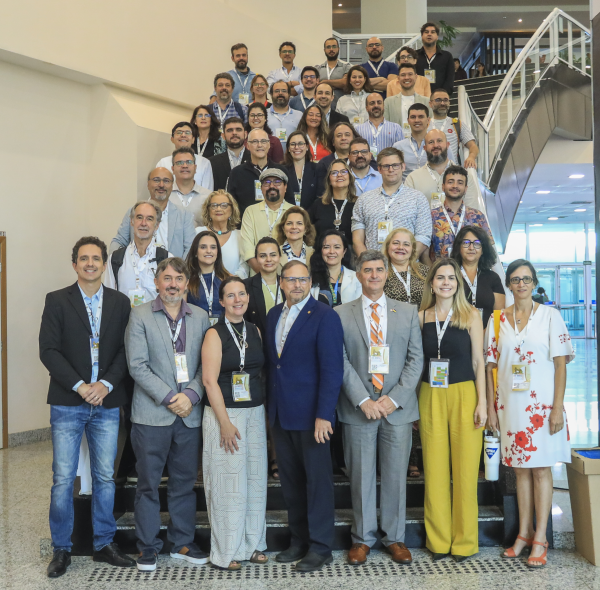
Check out the comments from some organizers about their symposia and mini-courses, as well as the chairs’ comments about the event.
About the XXIII B-MRS Meeting
Luiza Mercante (UFBA), chair: It was a very rewarding experience to coordinate the activities of the XXIII B-MRS Meeting. The event brought together researchers and professionals from different states and countries in high-level plenary sessions, symposia, roundtables, and short courses on strategic and current topics in the field of materials, promoting an environment of scientific excellence and exchange of experiences, marked by the joy and welcoming atmosphere characteristic of Bahia.
Daniel Souza Correa (Embrapa Instrumentation), chair: Participating in the organization of the XXIII B-MRS Meeting in Salvador was very enriching. Seeing the enthusiasm of the participants, especially the students, the quality of the discussions and lectures, and the integration between researchers of different generations and areas only reinforces the importance of this traditional scientific meeting, which certainly contributes, as a relevant forum, to the advancement of materials science and engineering in Brazil and the world.
About the symposia
Symposium B – Sensing materials combined to artificial intelligence for advanced analytical and forensic tools
Carlos Cava (UTFPR), organizer: Organizing symposium B — focused on sensing materials combined with artificial intelligence for advanced analytical and forensic tools — for the first time at this event was highly rewarding.
Merging this symposium with the one on materials for forensic analysis proved to be an excellent decision, fostering fresh and innovative ideas in the field. The presentations covered a wide range of applications, including sensors for detecting diseases in humans, animals, and plants, as well as for identifying illicit drugs, explosives, and system classifications. A unifying theme was the strong integration between novel materials and artificial intelligence, emphasizing the originality and relevance of this research area.
The symposium counts on four invited speakers, among them two international guests. The oral sessions count on the engagement of many participants, with the room fully occupied. The invited lectures were particularly successful, attracting significant interest from researchers, forensic community and stimulating valuable discussions. Although the poster session was relatively short for the number of submissions, it offered an excellent opportunity for focused, in-depth exchanges on each presented work.
In conclusion, the quality of the contributions exceeded our expectations. Both the overall congress and our symposium were exceptionally well organized, supported by a dedicated and efficient team. We look forward to offering this symposium again in future editions to the materials science community.
Symposium H – Molecular and Polymer-based Materials and Devices for Next-generation Organic Electronics and Bioelectronics
Rafael Furlan de Oliveira (CNPEM), organizer: Symposium H on molecular and polymer-based materials and devices for next-generation organic electronics and bioelectronics was a remarkable success, reinforcing our commitment to excellence in this important field. This year, we broadened the scope to incorporate emerging and increasingly relevant topics, such as covalent organic frameworks, bioelectronics, and neuromorphic devices, reflecting the expanding frontiers of our community. The symposium brought together leading international experts and a strong representation from Brazilian institutions, fostering stimulating discussions and collaborations across different topics. The quality and diversity of the contributions, encompassing fundamental studies and device innovations, were outstanding! We are grateful to all participants for their enthusiasm and scientific excellence and look forward to another inspiring edition next year in Curitiba.
Symposium K – Bioinspired and biomimetic materials and their applications
Marcos Malta dos Santos (UFBA), organizer: The symposium K, themed “Bioinspired and Biomimetic Materials and Their Applications”, was an inspiring session coordinated by Prof. Marcos Malta and Prof. Regina Geris from the Institute of Chemistry at the Federal University of Bahia (UFBA), together with Prof. Souad Ammar-Merah from Université Paris Cité (ITODYS, France). The event brought together around 50 researchers from different regions of Brazil to discuss innovative studies on bioinspired and biomimetic materials, including functional biomaterials, nanocomposites, hydrogels, and controlled-release systems for biomedical, environmental, and agricultural applications.
Among the highlights were keynote lectures by Prof. Susana Inés Córdoba de Torresi (University of São Paulo), who discussed the toxicological implications of plasmonic nanoparticles in aquatic biological models; Prof. Thibaud Coradin (Sorbonne Université, LCMCP), who presented advances in type I collagen-based hydrogels applied from tissue models to drug delivery systems; Prof. Nguyet-Thanh HA-DUONG (Université Paris Cité, ITODYS), who showcased plant virus-based nanomaterials for in-solution SERS sensing applications; and Prof. Renato Grilo (UNESP, Ilha Solteira), who introduced biohybrid materials designed for the controlled release of agrochemicals.
Together, these contributions illustrated how the synergy between biotechnology and materials science is driving the development of innovative, sustainable solutions inspired by nature.
Symposium N – Nanotechnology in Medicine and Agriculture: Multifunctional Applications and Toxicological Impact
Juliana Cancino – Bernardi (USP – campus Ribeirão Preto) and Valtencir Zucolotto (IFSC-USP), organizers: This year, the N symposium – Nanotechnology in Medicine and Agriculture: Multifunctional Applications and Toxicological Impact celebrated its 10th anniversary within B-MRS. The milestone was marked by an impressive number of high-quality presentations, featuring invited speakers as well as junior and senior researchers. This anniversary reinforces the importance of B-MRS in advancing nanotechnology applied to health and highlights the valuable connections fostered through this conference, which plays such a key role in the field. We look forward to seeing you again next year!
Symposium Q – Ferroics-based materials: fundamentals, properties and applications for energy converters
José Antonio Eiras (UFSCar) and Ivair Aparecido dos Santos (UEM), organizers: As organizers of the symposium on Ferroics-based materials: fundamentals, properties and applications for energy converters, held biennially at the B-MRS Meetings, we sincerely thank you for your participation.
This year, the symposium was part of the activities of the 7th Meeting of the BRICS Working Group on Materials Science and Nanotechnology, which took place during the XXIII B-MRS Meeting.
As in previous editions, we consider symposium Q a great success. It featured more than 50 presentations, encompassing oral and poster formats. Notably, several contributions were made by representatives of the BRICS member countries participating in the Working Group, enriching the international scope and collaborative spirit of the event.
Prototypes of energy converters based on ferroic materials, highlighting the progress of some Brazilian research groups in this strategic field, were exhibited at the GRANIOTER booth.
The symposium provided a dynamic platform for the exchange of recent scientific advances in the field of ferroic materials, in basic and applied research, focusing on the processing, characterization, and development of energy converter prototypes.
We look forward to your participation in future editions of this symposium.
About the short courses
Introduction to Principal Component Analysis: Applications in the Classification of New Materials
Marcio Luis Ferreira Nascimento (UFBA), organizer: This short course is part of the undergraduate Statistics Applied to Chemical Engineering curriculum at the Federal University of Bahia. It begins with an introduction to principal component analysis, which is considered by some to be the first tool in artificial intelligence, and provides a brief history of the technique. We introduce the biographies of several mathematicians, such as Pearson, Hotelling, and Cauchy, presenting a brief intuitive overview of the technique. This is followed by a brief formal introduction, including applications/uses in materials. This is followed by a step-by-step example using matrix algebra, and concludes with a classic example.
In order to apply PCA to the classification of new materials, it is important to understand its fundamentals.
Young Researchers´School: Tutorial on Scientific Writing and the Editorial Process
Valtencir Zucolotto (IFSC – USP), organizer: The traditional Young Researchers’ School, held during the XXIII B-MRS Meeting with the continued support of Elsevier, once again attracted strong participation and enthusiasm. The short course offered comprehensive sessions on advanced scientific writing and preparation for public selection processes for faculty positions, complemented by targeted lectures on scientific manuscript formatting, publication strategies, and research visibility. With an audience of + 80 participants and an engaging atmosphere, the event reaffirmed its role as a valuable and inspiring training platform for emerging researchers, continuing a successful tradition as a pre-event course.
Manifesto sobre o baixo número de bolsas de pós-doutorado júnior
Rio de Janeiro, 09 de outubro de 2025.
Baixo número de bolsas PDJ – Chamada CNPq Nº 49/2024
A Sociedade Brasileira de Pesquisa em Materiais (SBPMat) manifesta preocupação com o baixo número de bolsas Pós-Doutorado Júnior (PDJ) disponibilizadas através da Chamada CNPq Nº 49/2024. O número de bolsas equivale a 10% dos pedidos recebidos nas áreas de Física, Química e Engenharia de Materiais.
Vale ressaltar que estas áreas representam a grande maioria das pesquisas na área de materiais avançados no Brasil, com aplicações em setores estratégicos do país, como: nano e biotecnologia, energias renováveis e sustentabilidade, agronegócio, medicina, entre outras.
As bolsas PDJ oportunizam os recém-doutores a continuarem suas pesquisas após a formação qualificada recebida nos programas de pós-graduação brasileiros. Isso garante o retorno do investimento em sua formação para a sociedade e a continuidade das pesquisas científicas brasileiras, que acontecem majoritariamente em instituições de ensino e pesquisa. A falta de oportunidades no Brasil inevitavelmente motiva nossos doutores(as) a buscarem oportunidades no exterior, levando o conhecimento brasileiro para fora do país.
Desse modo, entendemos a extrema necessidade de aumento de oferta de bolsas para manter o desenvolvimento científico do país e a competividade internacional nas áreas estratégicas mencionadas acima.
O engajamento de todos os setores da sociedade é fundamental.
Ivan H Bechtold
Presidente da SBPMat
XXIII B-MRS Meeting Awards and Prizes
B-MRS Early Career Woman Scientist Prize
(It recognizes the best work presented within the oral sessions of the B-MRS Meeting symposia by a woman with a PhD degree at the beginning of her scientific career. Sponsored by the journal Electronic Materials (MDPI))
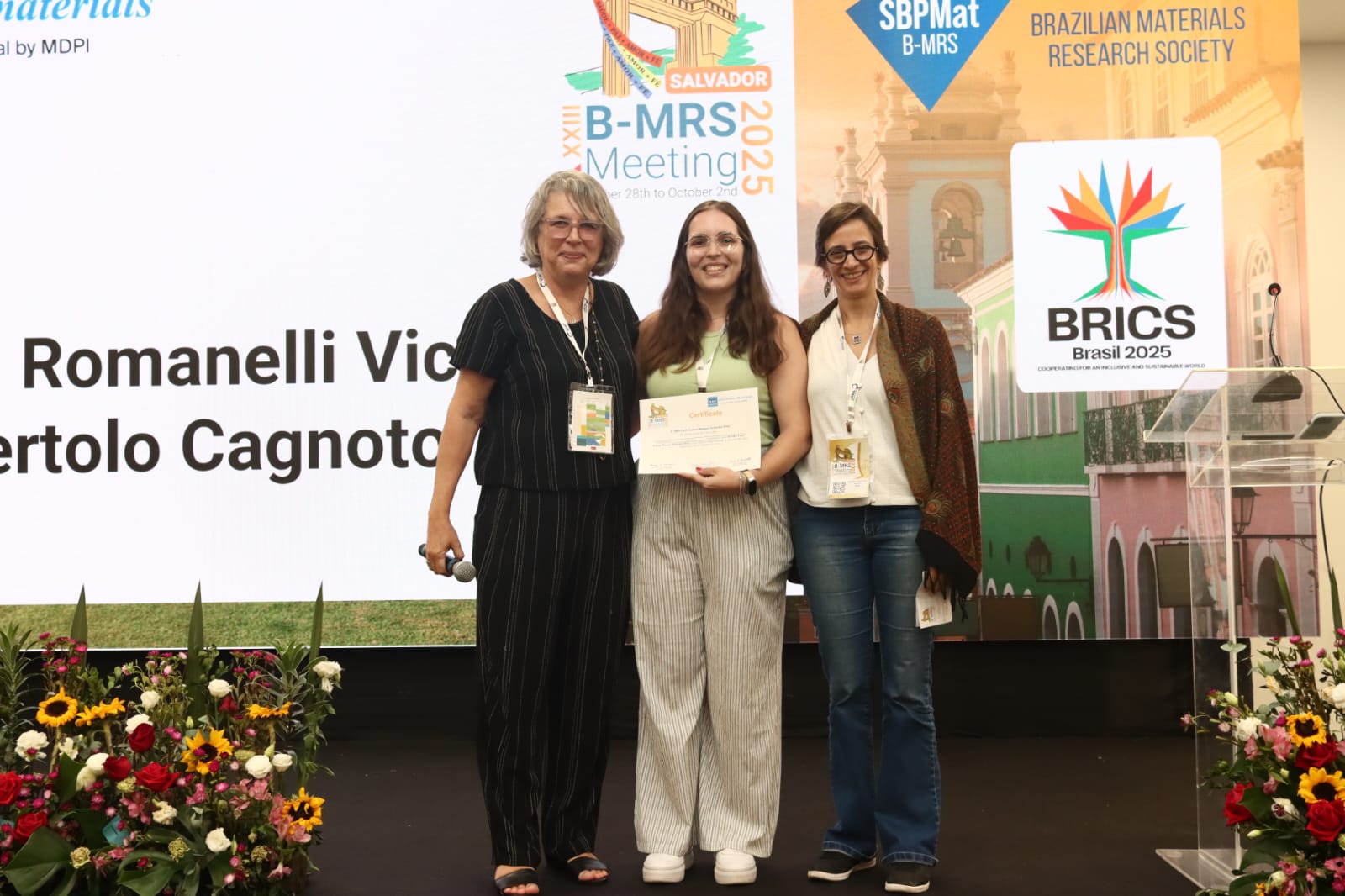
Winner: Mirella Romanelli Vicente Bertolo Cagnoto.
Honorable mentions: Larissa Tessaro.
Bernhard Gross Student Awards
(Established by B-MRS in honor of Bernhard Gross, a pioneer of Brazilian materials research. It distinguishes the best oral and poster contributions presented by students in each symposium)
Symposium A – Poster – Gabriel Xavier Pereira. Halide “perovskenes”: a study on the mechanical and thermodynamic stability of these emergent materials.
Symposium A – Oral – Pedro Henrique Machado Zanineli. Advances in understanding the complex dynamics of (nano)ceramics with machine learning interatomic potentials.
Symposium B – Poster – Jonatas de Oliveira Souza Silva. Blow-Spun Fiber-based Stabs for Forensic analysis of semen stains.
Symposium B – Oral – Marina di Oliveira. Improvement of electrochemical activity of screen- printed carbon electrodes using a portable air plasma- pen treatment for forensic applications.
Symposium C – Poster – Diego Pereira. Impact of incorporating nanosilica on the properties of bio-based polyurethane films created from cellulose and lignin as polyols during the polymerization process.
Symposium C – Oral – Douglas Scarabello. Development and Characterization of MXene/Cellulose Conductive Gels for Advanced Energy Storage Applications.
Symposium D – Poster – Júlia Fernanda da Costa Araújo. Fe₃O₄/ZIF-8-90: An Integrated Nanocarrier for Cancer Therapy.
Symposium D – Oral – Giovanna de Amorim Grasser. Synthesis, Characterization, and Biological Activity Evaluation of Chitosan Scaffolds with SrMoO₄.
Symposium E – Poster – Douglas de Souza Rocha. Fluid-Driven Fractionation for Phase Separation of SiO₂–Graphene Nanoplatelets from Rice Husk.
Symposium E – Oral – Bruno Las-Casas. Cellulose Nanofibril Films for High-performance Packing: The Role of Enzymatic Treatments and Lignin Nanoparticle Incorporation.
Symposium F – Poster – Diego F. de Oliveira. Quantifying the two-photon absorption cross-section of neutral and cationic functionalized Tetraphenylporphyrins in the near-infrared.
Symposium F – Oral – Aminu Habib Adamu. Synthesis and Characterization of Yttrium Iron Garnet Crystals in PbO and BaO Based Glass-Ceramics: Effects of Y₂O₃ and Fe₂O₃ Doping on Magneto-Optical Properties.
Symposium G – Poster – Leticia Cerqueira Vasconcelos. Multifunctional nanoplatform based on Nd³⁺, Yb³⁺ and indocyanine green (ICG) for use in nanothermometry and photothermia.
Symposium G – Oral – Leonardo Figueiredo Saraiva. Switching to enhanced brightness: Enlightening the role of vibronic coupling in the intersystem crossing of Eu³⁺ complexes.
Symposium H – Poster – Milton Alves Faria Neto. Electrostatic Charging in 3D Printing: Engineering Triboelectric Generators with Printed Electrets.
Symposium H – Oral – Isabela Berndt Paro. Designing light-sensitive organic semiconductors for tailored photoelectrochemical transistor performance.
Symposium I – Poster – Matheus Fernandes Sousa Lemes. Numerical Optimization of Plasmonic Bowtie Architectures for Enhanced TMD Single-Photon. Emitters
Symposium I – Oral – Letícia Mara Vieira Ildefonso. Single step fabrication of transition metal dichalcogenide lateral heterojunctions using helium focused ion beam lithography.
Symposium J – Poster – Gustavo Coqui Barbosa. Development of duralumin alloy via powder metallurgy from recycled raw materials.
Symposium J – Oral – Maria Eduarda Lima Costa. The effect of applying electropulsing treatment in the microstructure of DP780 steel sheets.
Symposium K – Poster – Mariana Monteiro de Lima Honorato Forini. Engineering supraparticles for controlled release of fertilizer: développement and soil mobility evaluation.
Symposium K – Oral – Matheus Elias Rosa. Biohybrid interfaces of acetogenins and mucoadhesive gold nanoparticles with protozoa-mimetic membranes: towards biomimetic strategies for antiparasitic drug delivery.
Symposium L – Poster – Douglas Henrique Vieira. Paper-Based Printed Photodetectors using Transistors with Different ZnO Nanostructures.
Symposium L – Oral – Nicole Pessôa Martins. Impact of Citric Acid on Carboxymethylcellulose (CMC) Hydrogels Rheological Behavior for 3D Bioprinting.
Symposium M – Poster – Thais de Andrade Silva. Plasmonic immunosensors based on spoon-shaped waveguides for fast and on-site ultra-low detection of ochratoxin A in coffee samples.
Symposium M – Oral – Rafael Resende Assis Silva. Sustainable colorimetric–electrochemical ammonia sensor with RFID integration for next-generation smart food packaging.
Symposium N – Poster – Laura Carolina Dinamarco. Study of the stability of plasmonic nanoparticles applied to photothermal therapy using the rotational central composite design and the response surface methodology.
Symposium N – Oral – Jéssica Menezes de Melo Luzardo. Sugarcane-derived nanocarbons as a soil conditioner: effect of the exfoliation time in BET surface area.
Symposium O – Poster – Juscelino Valter Barbosas Junior. Inkjet Printed rGO Electrodes on Biodegradable Substrates for Sustainable Organic Electronics.
Symposium O – Oral – Ana Larissa Soarez Cruz. LASER surface remelting to restore corrosion resistance in sulfide-compromised austenitic stainless steels.
Symposium P – Poster – Yosthyn Manuel Ariza Florez. Understanding the role of Br-2PACZ deposition methods in PM6:Y6-based organic solar cells.
Symposium Q – Poster – Gabriel Rolando Colombo. Synthesis and Characterization of magnetite nanostructures with different morphologies for energy converters.
Symposium Q – Oral – Shedrach Yakubu. Growth and Characterization of Pb(Mg₁/₃Nb₂/₃)O₃-PbTiO₃ single crystals produced by the Bridgman technique.
Symposium R – Poster – Raphaella Tamyres Siqueira Gonçalves. Exploring hollow carbon spheres and molybdenum disulfide supported on pyrolyzed paper for green hydrogen generation and storage.
Symposium R – Oral – João Victor Morais Lima. Impact of Sulfur Functionalization on Melanin-Based Carbon Electrodes for Sustainable Supercapacitors.
Symposium S – Poster – Cecília Balduíno da Silva. CuInS₂ Quantum Dots Applied in Heterogeneous Photocatalysis for Ciprofloxacin Degradation.
Symposium S – Oral – Jessica Gil Londoño. Al₂W₃O₁₂ in a new light: unveiling its photocatalytic performance and mechanism under visible light.
Symposium T – Poster – Ayle Lua Reis de Oliveira. Oxygen vacancy effects in SrFeO₃-δ: structural analysis for solar energy conversion.
Symposium T – Oral – Guilherme Boenny Strapasson. Tuning the exsolution of multimetallic particles from high-entropy oxides.
Symposium U – Poster – Caíque Moureira Tavares. Combating counterfeiting with luminescent GdAlO₃:Eu³⁺ phosphors: sol-gel vs urea combustion routes.
Symposium U – Oral – Douglas Henrique Vieira. Eco-Friendly Honey-Gated Transistors on Wood for Artificial Synapse Emulation.
Symposium V – Poster – Gisela Camila Paz Sales. Poly(acrylonitrile-co-vinylpyrrolidone) hydrogels as an orienting medium in NMR.
ACS Publications Student Prizes
(Sponsored by journals of ACS Publications, a division of the American Chemical Society. Prizes for the best student contributions of all the event)
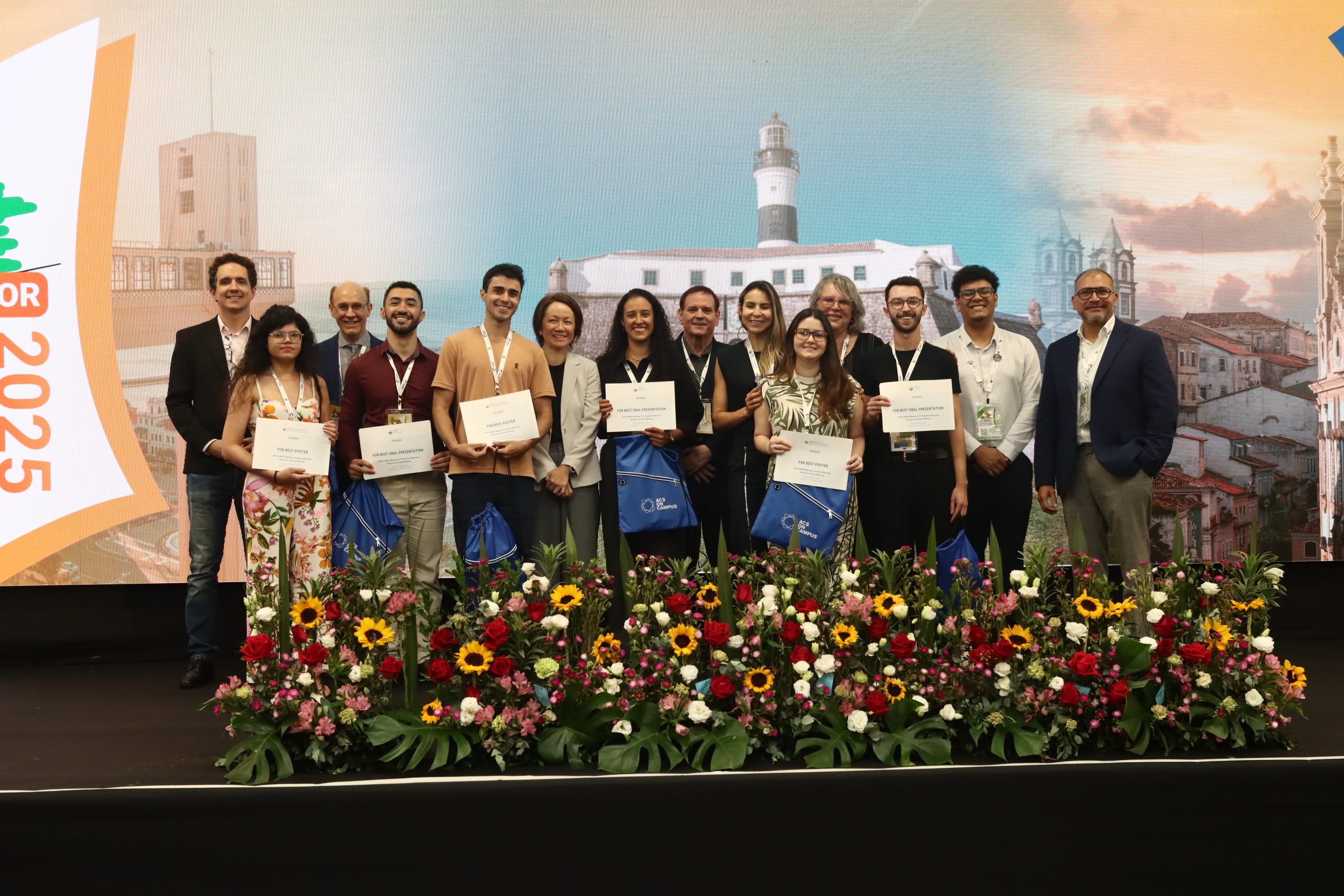
Symposium H – Poster – Milton Alves Faria Neto. Electrostatic Charging in 3D Printing: Engineering Triboelectric Generators with Printed Electrets.
Symposium R – Poster – Raphaella Tamyres Siqueira Gonçalves. Exploring hollow carbon spheres and molybdenum disulfide supported on pyrolyzed paper for green hydrogen generation and storage.
Symposium G – Poster – Leticia Cerqueira Vasconcelos. Multifunctional nanoplatform based on Nd³⁺, Yb³⁺ and indocyanine green (ICG) for use in nanothermometry and photothermia.
Symposium I – Oral – Letícia Mara Vieira Ildefonso. Single step fabrication of transition metal dichalcogenide lateral heterojunctions using helium focused ion beam lithography.
Symposium E – Oral – Bruno Las-Casas. Cellulose Nanofibril Films for High-performance Packing: The Role of Enzymatic Treatments and Lignin Nanoparticle Incorporation.
Symposium T – Oral – Guilherme Boenny Strapasson. Tuning the exsolution of multimetallic particles from high-entropy oxides.
RSC Student Prizes
(Sponsored by journals of the Royal Society of Chemistry. Prizes for the best student contributions of all the event)
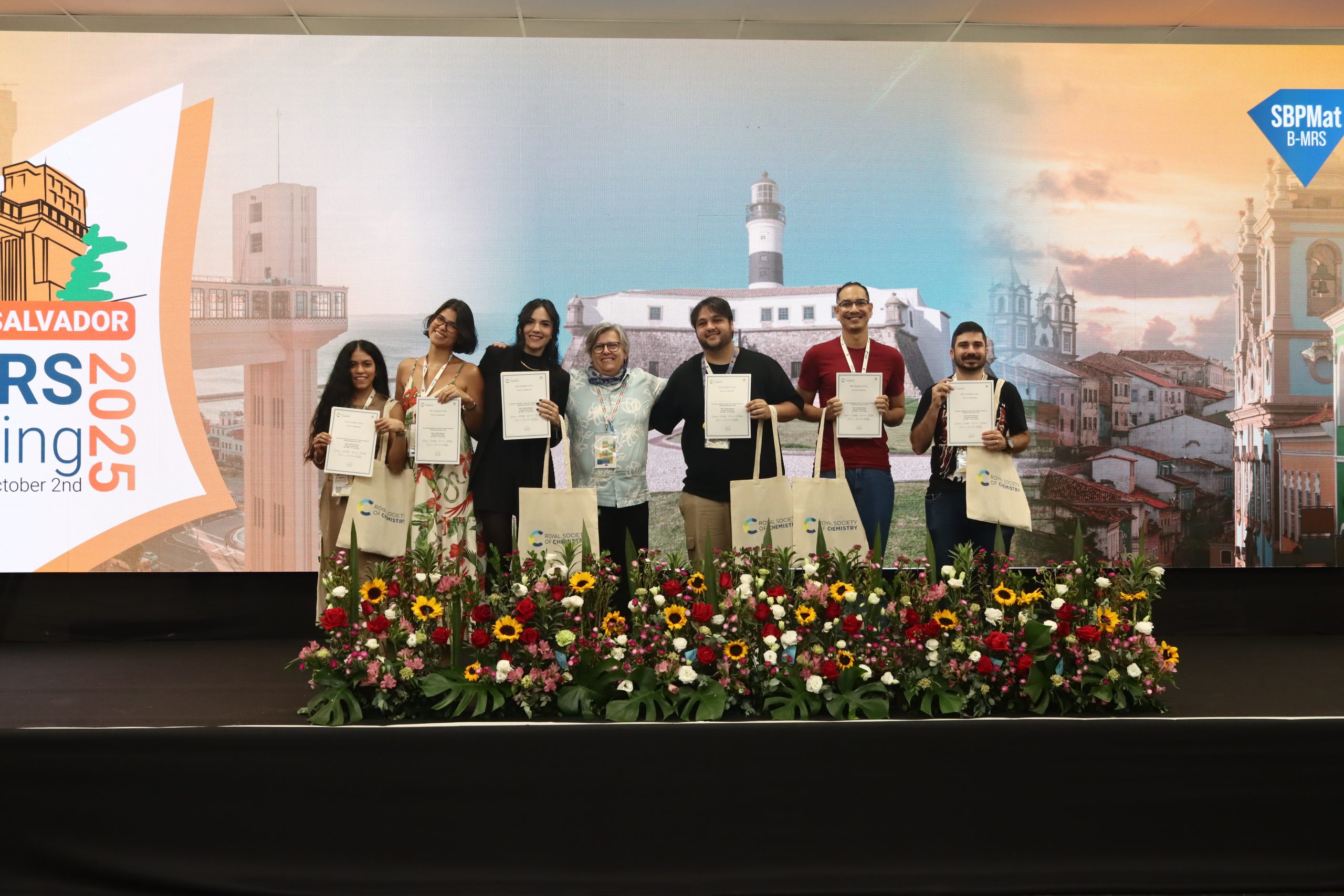
Symposium E – Poster – Douglas de Souza Rocha. Fluid-Driven Fractionation for Phase Separation of SiO₂–Graphene Nanoplatelets from Rice Husk.
Symposium B – Poster – Jonatas de Oliveira Souza Silva. Blow-Spun Fiber-based Stabs for Forensic Analysis of Semen Stains.
Symposium D – Poster – Júlia Fernanda da Costa Araújo. Fe₃O₄/ZIF-8-90: An Integrated Nanocarrier for Cancer Therapy.
Symposium S – Oral – Jessica Gil Londoño. Al₂W₃O₁₂ in a New Light: Unveiling Its Photocatalytic Performance and Mechanism under Visible Light.
Symposium N – Oral – Jéssica Menezes de Melo Luzardo. Sugarcane-Derived Nanocarbons as a Soil Conditioner: Effect of the Exfoliation Time on BET Surface Area.
Symposium U – Oral – Douglas Henrique Vieira. Eco-Friendly Honey-Gated Transistors on Wood for Artificial Synapse Emulation.
Prêmio de Divulgação Científica da SBPMat
(Patrocinado pela Krilltech. Prêmios para os melhores vídeos curtos para público leigo produzidos por participantes do evento.)
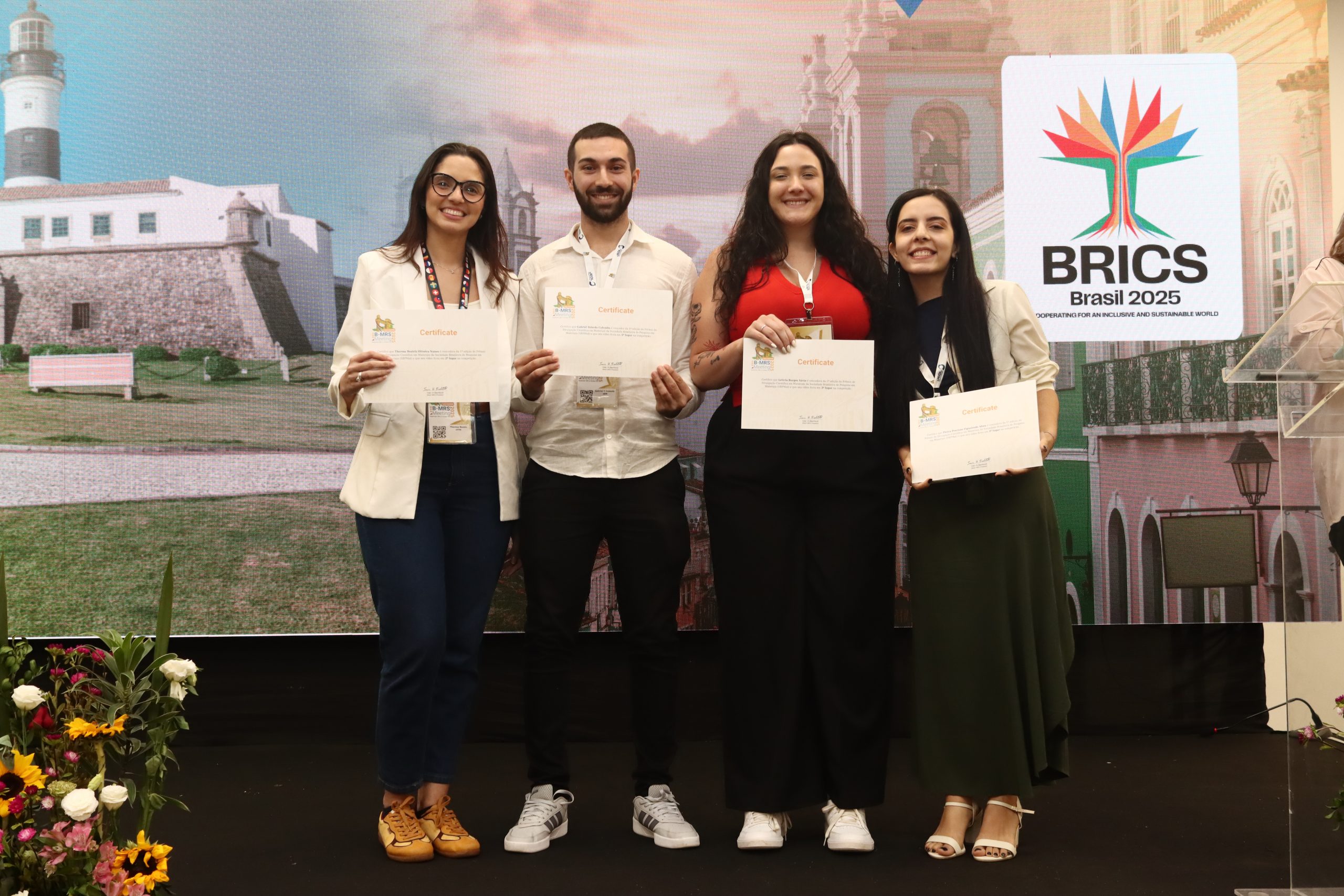
1º lugar:
Gabriel Tolardo Colombo (estudante de mestrado da Universidade Estadual de Maringá). Vídeo.
2º lugar:
Theresa Beatriz Oliveira Nunes (estudante de doutorado da Universidade Federal do Rio Grande do Norte). Vídeo.
3º lugar (empate):
Pietra Precioso Figueiredo Alves (estudante de graduação do Instituto de Química da Universidade de São Paulo). Vídeo.
Letícia Borges Sávio (estudante de graduação da Universidade de Araraquara). Vídeo.
The photos of the Closing and Awards Ceremony are available here.
Featured scientist: interview with Dulce Maria de Araújo Melo, winner of the José Arana Varela Award
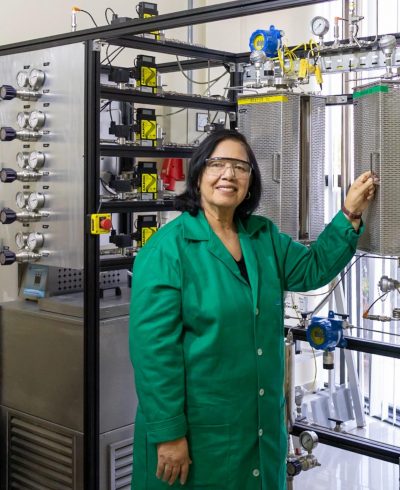 Dulce Maria de Araújo Melo was just a child when she invented an efficient method for extracting oil from castor beans, a fuel that was artisanally produced by her family for use in lamps.
Now 71, this distinguished Brazilian scientist, who remains active in her laboratory, boasts a vast academic output: 300 articles published in international journals, 20 patents filed or granted, and nearly 200 completed supervisions.
Dulce Maria fell in love with chemistry laboratories during her undergraduate degree in Pharmacy at the Federal University of Ceará (UFC). In 1979, she graduated and became a civil servant, but her passion prevailed, and the young woman sought scientific training in São Paulo.
In 1982, she completed her master’s degree in Inorganic Chemistry at USP and was hired as a professor at the Federal University of Paraíba (UFPB). In 1985, she began her academic career at the Federal University of Rio Grande do Norte (UFRN). At the same time, she began her doctorate at the University of São Paulo (USP), also in Inorganic Chemistry, receiving her diploma in 1989.
At UFRN, Dulce Maria played a key role in establishing the doctoral program in Materials Science and Engineering, the Cement Laboratory, and the Environmental Technology Laboratory. She also coordinated the graduate programs in Chemistry and Materials Science and Engineering.
At B-MRS she served as scientific director for two terms (from 2004 to 2025 and from 2010 to 2011) and also coordinated the 6th B-MRS Meeting, held in Natal in 2007.
In 2025, she was honored by our society with the José Arana Varela Award, which is granted annually to an outstanding researcher in the field of materials in Brazil. As part of the award, she will deliver a plenary lecture on October 1st, at the XXIII B-MRS Meeting, on perovskite catalysts for sustainable hydrogen production.
Learn more about Dulce Maria in this interview she gave to the B-MRS Newsletter.
Tell us what led you to become a scientist.
Since I was a child, I’ve been very curious and observant. Once, I saw my grandmother extracting castor oil, in a very traditional way, and upon seeing that methodology, I immediately decided to choose another method that would produce a higher oil content. The oil was used to light lamps in the homes of my father’s employees. It wasn’t easy, but we managed to make some modifications to the extraction process. This resulted in a significant increase in oil production.
Some time passed, and I went to Fortaleza for high school. After finishing high school, I took the university entrance exam and passed, and began taking courses in chemistry, physics, calculus, statistics, among others. I quickly fell in love with chemistry. I spent my days in the lab helping my inorganic chemistry professor (Ester Weyne) prepare experimental classes. And from then on, I found myself wanting to know more and more about that complex and enchanting world.
After finishing my undergraduate degree, I was already a federal civil servant, but I was away from the place that gave me joy and pleasure. I took unpaid leave and applied for a master’s degree in inorganic chemistry at the University of São Paulo. At the time, there were only five scholarships for twelve applicants, but since I was accepted first, I received a CNPq scholarship. I completed my master’s degree under the supervision of Professor Léa Barbieri Zinner and Professor Geraldo Vicentini.
One of the external circumstances that helped me become the scientist I am was the attention I received from my husband (now a professor at UFRN) and my advisors, who allowed me to grow scientifically and participate in international conferences where I could chart all the paths I wanted to follow. This allowed me to be resilient and always seek knowledge beyond what I already had.
When I finished my master’s degree, I passed three competitive exams for different universities, and my first contract was in August 1982 at UFPB, where I spent two years and six months. In 1985, I transferred to UFRN, and that same year, I returned to the University of São Paulo to pursue my doctorate.
After completing my doctorate, I won my first research project at CNPq, and we began developing special materials for catalysis, sensors, and materials for adsorbing metals from water produced in the oil and gas industry. My dedication was strongest in the upstream area, and in the meantime, we created two important laboratories for UFRN: the Cement Laboratory (Labcim) and the Environmental Technology Laboratory (Labtam).
Currently, I coordinate Labtam, whose expertise encompasses the energy sector, focusing on biomass, chemical looping processes, catalytic materials, and oxygen transporters, in addition to a strategic area such as machine learning.
What accomplishments have given you the greatest satisfaction in your research career, besides scientific research itself?
Besides scientific and technological research, I consider myself a project and people manager and a successful administrator, considering that Labtam has 30 researchers, 7 professors, and 10 udergraduate students, as well as master’s and doctoral students, all with grants.
I created the PhD program in materials science and engineering in 1998 and coordinated it for four years, currently with a 7.0 (maximum) CAPES rating. I was coordinator of the PPGQ from 2020 to 2023, which had a 4.0 rating for 18 years, and during that time we achieved a 6.0 rating.
Another activity that gave me great pleasure was participating in the advisory committee for the Metallurgy and Materials area of the CNPq. Ultimately, these little things bring us satisfaction.
Based on your experience, what can you tell us about the possibilities of training as a materials scientist in the Northeast region today and 40 years ago?
Today, becoming a materials scientist in the Northeast is no longer a major challenge, especially regarding the infrastructure available for graduate programs. A level 7 program (CAPES) has more resources, has many projects, and, consequently, scholarships are available. Today, opportunities abound, and globalization allows us to discuss results with other scientists from around the world in real time. Furthermore, funding agencies subsidize many training programs. Today, we have well-established funding programs. Finally, 40 years ago, there was only a graduate program in materials science and engineering, in São Carlos, as it was the first institution to create this program. I personally consider myself a scientist in the field of strategic materials, not because I took this course, but because of the areas I have a thorough command of.
Briefly comment on the main research topics you’ve addressed throughout your scientific career in the field of materials.
Considering my research background, rare earths (lanthanides) have never been outside the scope of my research, as they were addressed in my master’s dissertation and doctoral thesis in different contexts of synthesis and characterization, especially in my doctoral work, which involved the preparation of single crystals for determining crystal structures. This provided me with a wealth of knowledge on the subject. Rare earths are such important elements that they can be used to produce neodymium magnets (used in BYD cars), lasers, photovoltaic panels, perovskite catalysts, sensors, etc. Currently, we use lanthanum-nickel-based perovskites to produce synthesis gas and inorganic lanthanum-bismuth-based perovskites to produce solar cells. We have published papers on the subject and patents applications. It’s an exciting and challenging topic.
Regarding the Cement Laboratory, we established it in 1989 (myself, Prof. Eduardo Martinelli, and Prof. Marcus Melo) and coordinated it until 2010. In this area, we trained many master’s and doctoral students, many of whom are now working in oil and gas companies. We produced extensive work in this area and held 11 patents. We left the laboratory well-equipped with over 10 million dollars in equipment (of course, the effort was made by the entire team), and today it is managed by Prof. Júlio Cézar Freitas and Prof. Martinelli.
Considering my entire career, I believe that what excites me most is creating new materials for application in what is called a global challenge: smart materials such as nanometric catalysts, batteries, carbon nanotubes, and supermagnets.
Think about the scientific or technological discoveries you’ve participated in throughout your career and briefly describe some that you consider most relevant or interesting.
One of the most recent discoveries concerns changes in the behavior of materials, based on their modulation by artificial intelligence. We modulate materials for specific purposes using a platform developed in our laboratory, using key algorithms to obtain the best material for this or that purpose.
In your teaching and research career, have you encountered any challenges related to being a woman?
I personally have never encountered any challenges because of being a woman. Also, I’ve always taken on the greatest responsibilities; perhaps this behavior has protected me.
After 45 years of dedication to science, what are your next plans?
My plans are basically twofold: to continue collaborating at Labtam, mainly in the project area, and to give lectures in public schools to encourage young people to pursue careers that contribute to the growth of the country.
Leave a message for our younger readers who are starting a scientific career in Brazil or are considering it.
Message to young people: Never give up on your dreams. It may be difficult today, but it’s never been easy for anyone!
B-MRS Newsletter: Year 12, issue 7
|
|||||||||||||||||||||||||||||
|
|||||||||||||||||||||||||||||
B-MRS Newsletter: Year 12, issue 6
|
||||||||||||||||||||||||||
|
||||||||||||||||||||||||||
B-MRS Newsletter: Year 12, issue 5
|
|||||||||||||||||||||||
|
|||||||||||||||||||||||